
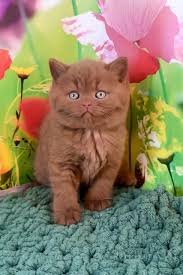
When it comes to choosing the perfect feline companion, the British Shorthair orange cat stands out as a delightful option for pet lovers. Renowned for their charming appearance and affectionate nature, these cats embody a unique blend of personality traits that make them well-suited for a variety of households. With their distinctive coat, playful demeanor, and calm temperament, orange British Shorthairs have captured the hearts of many. This article explores the many reasons why they make exceptional pets, from their endearing characteristics to their care requirements, helping potential owners understand what to expect when welcoming one of these lovable cats into their home.
Overview of the British Shorthair Breed
History and Origin
The British Shorthair boasts a history as rich and textured as a fine English pudding. Originating in the UK, this breed is thought to have descended from the domestic cats brought to Britain by the Romans around 2000 years ago. Over time, they were bred for their robust physique and hunting prowess. After a brief stint in the limelight during the Victorian era, these cats gained recognition in cat shows and became a beloved breed, not just in Britain but around the globe. Think of them as the aristocrats of the cat world, gracefully strutting through the ages.
Physical Features
With their round faces, chubby cheeks, and dense coats, British Shorthairs are like living, breathing teddy bears. Their plump bodies are supported by strong, stocky legs, and their tails are short and thick, giving them a squat, sturdy appearance. And let’s not forget those big, expressive eyes that can be copper, blue, or even green—perfect for melting your heart. Overall, these cats exude an aura of nonchalant charisma that can make any cat lover weak in the knees.
Unique Characteristics of Orange British Shorthairs
Distinctive Coat Color and Patterns
When it comes to the coat of the orange British Shorthair, think of a perfect sun-kissed loaf. Their fur is plush, dense, and oh-so-satisfying to pet. From vibrant shades of ginger to soft, creamy orange, these cats can also sport patterns like mackerel tabby or classic swirls, making them look like living works of art. Whether they’re lounging on your lap or prowling through your home, their striking coats are bound to catch the eye (and probably the heart) of anyone lucky enough to cross their path.
Eye Color Variations
The eye color of an orange British Shorthair is like the cherry on top of an already delicious cake. Most commonly, you’ll find deep copper eyes that perfectly complement their fiery fur, but other variations like hazel and green also exist. Just when you think they can’t get any cuter, they look up at you with those soulful eyes, and suddenly, you’re putty in their paws!
Temperament and Personality Traits
Affectionate Nature
These cats are renowned for their affectionate disposition. Orange British Shorthairs thrive on companionship and will often seek out their humans for cuddles and chin scratches. They may not be the loudest of purrers, but when they do purr, it’s like an orchestra of fluffy joy. Be prepared for a built-in cuddle buddy who’s always ready to snuggle on cold evenings or warm up your lap—because who needs a heating pad when you’ve got a furry furnace?
Playfulness and Energy Levels
While they do enjoy their naps (and let’s be honest, who doesn’t?), orange British Shorthairs know how to bring the fun! With just the right mix of playfulness and curiosity, they’ll keep you entertained with spontaneous zoomies and classic cat antics. Whether they’re batting around a feather toy or chasing after that elusive red dot, their playful spirit is infectious, making every day feel like a new adventure.
Independence vs. Companionship
One of the hallmarks of the British Shorthair breed is their perfect balance of independence and companionship. They’re not the type to cling to you like a shadow, but they also won’t hesitate to join you for a Netflix binge session or lounge in the sun beside you. They appreciate their alone time but will never shy away from a cozy cuddle—essentially, they’re the cool roommates who respect your space but are always up for some quality time.
Health Considerations and Lifespan
Common Health Issues
Like all breeds, orange British Shorthairs come with their own set of health considerations. Common issues include obesity (because, let’s face it, they love food), heart conditions, and certain genetic disorders. Regular vet check-ups, a balanced diet, and playful activities can help keep your feline friend in tip-top shape. Remember, a happy cat is a healthy cat, and we can all agree that a healthy cat is also just plain adorable!
Average Lifespan
An orange British Shorthair typically enjoys a lifespan of 12 to 20 years, provided they receive the right care and love. With their chunky charm and easy-going nature, these kitties are not just a short-term commitment; they’re in it for the long haul. So, if you’re considering adding one to your family, get ready for years of feline fun, snuggles, and heart-melting moments.
Grooming and Care Requirements
Brushing and Bathing Needs
British Shorthair orange cats are like the laid-back rock stars of the feline world—effortlessly cool and only requiring minimal grooming. Their short, dense coat needs brushing about once a week to keep it looking sleek and shiny. Think of it as your weekly excuse to spend some quality time with your furry friend! Bathing is rarely necessary, unless they’ve decided to engage in some questionable activities involving mud and a very not-so-fun puddle. In that case, a gentle bath won’t hurt—just make sure to use cat-friendly shampoo!
Nutritional Requirements
A well-fed British Shorthair orange cat is a happy cat! They may look like fluffy balls of sunshine, but they have a healthy appetite that you should manage carefully to prevent any surprise bulges. High-quality cat food, rich in protein and proper nutrients, will keep their coats vibrant and their energy levels high. Look for a blend designed for their age, weight, and activity level. And remember—treats are great, but moderation is key. No one wants a chubby feline that can’t fit through the cat door!
Suitable Living Environments
Space Requirements
British Shorthair orange cats are like the Goldilocks of cats—neither too needy nor too independent. They thrive in cozy spaces but also appreciate a bit of room to stretch their legs. Whether you’re in a small apartment or a sprawling house, they will adapt just fine, as long as they have their favorite napping spots and a few toys to entertain themselves. Ideally, provide them with vertical spaces like cat trees or shelves for climbing—because who doesn’t want to survey their kingdom from a lofty perch?
Indoor vs. Outdoor Living
While British Shorthairs can enjoy the great outdoors, they’re quite content to be indoor cats. Their calm demeanor makes them well-suited for an indoor lifestyle, where they can cuddle up with you on the couch and avoid the dangers of the outside world. If you do choose to let them explore outside, consider supervised outings or a secured yard. Just remember, the allure of that butterfly may lead them astray, and nobody wants to chase a cat down the street at 2 AM!
Training and Socialization Tips
Basic Commands and Tricks
Training a British Shorthair orange cat is like teaching a slightly stubborn toddler—patience is key! Start with basic commands like “sit” and “come,” using treats as motivation. Keep training sessions short and fun, and don’t forget to shower them with praise. With their intelligence and lovable nature, they’ll have you marveling at their newfound skills in no time. Plus, who doesn’t want to impress friends by showing off a cat that can fetch a toy mouse?
Socializing with Other Pets
If you already have furry company at home, don’t fret! British Shorthair orange cats are usually social butterflies and can learn to coexist with other pets quite well. Introduce them slowly, giving each party their own space. Supervised playtime can help them get acquainted, and before you know it, they’re napping together like old pals. Just keep an eye out for any territorial behavior—it’s all about harmony in the cat kingdom!
Conclusion: Why They Are Ideal Companions
Recap of Key Points
In summary, British Shorthair orange cats are the ultimate companions. Their low grooming needs, adaptable living requirements, trainable nature, and social prowess make them perfect pets for various households. Whether you’re a busy professional or a couch potato, these felines will fit right in. They’ll purr their way into your heart while requiring only moderate care and a sprinkle of attention.
Final Thoughts on Adoption
If you’re considering adding a furry friend to your family, look no further! Adopting a British Shorthair orange cat not only brings joy and laughter into your life but also gives a loving home to a pet in need. Remember, every cat has its own personality, so spend some time with your potential new companion before making the leap. With their charming looks and endearing personalities, they’re bound to steal your heart—and maybe a few snacks along the way!In conclusion, British Shorthair orange cats truly make wonderful companions, offering a perfect mix of affection, playfulness, and adaptability. Their unique characteristics and manageable care requirements make them suitable for various lifestyles, whether you’re a busy professional or a family with children.
Frequently Asked Questions
1. Do British Shorthair orange cats require special care compared to other breeds?
While they do have specific grooming needs due to their dense coat, British Shorthair orange cats are generally low-maintenance in terms of care compared to some other breeds. Regular brushing and routine veterinary check-ups are sufficient to keep them healthy.
2. How friendly are British Shorthair orange cats with children and other pets?
British Shorthair orange cats are known for their calm and sociable nature, making them great companions for children and other pets. Proper socialization from a young age can enhance their adaptability in multi-pet households.
3. Are there any common health issues associated with British Shorthair orange cats?
Like all breeds, British Shorthairs can be prone to certain health conditions, such as obesity and heart disease. Regular vet visits and a balanced diet can help maintain their health and prevent these issues.
4. What is the typical lifespan of a British Shorthair orange cat?
The average lifespan of a British Shorthair orange cat ranges between 12 to 20 years, depending on genetics, diet, and overall care. With proper attention and care, they can be long-lived and healthy companions.