
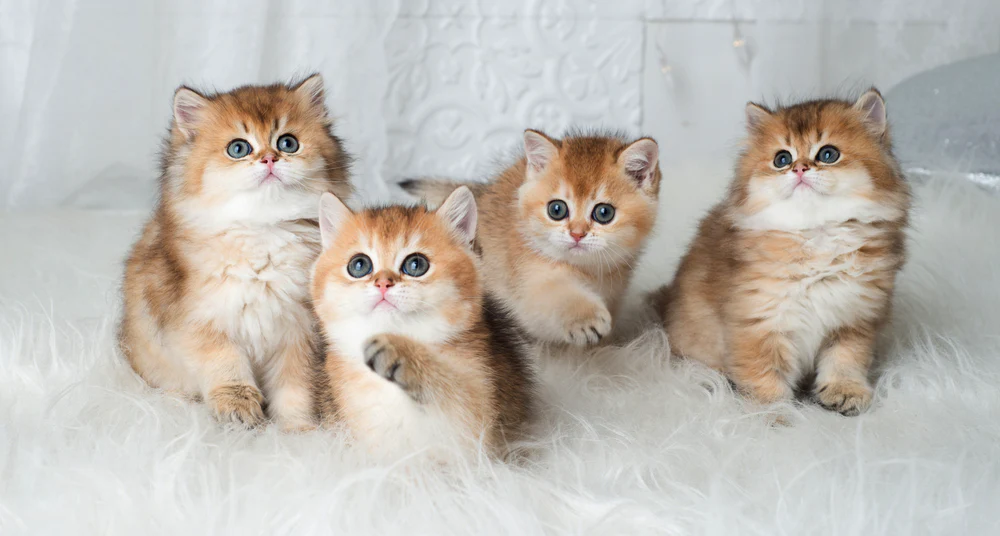
The British Shorthair Orange is a captivating breed known for its striking appearance and delightful temperament. With their plush, vibrant coats and round, expressive faces, these charming felines have captured the hearts of cat lovers around the world. Not only do they bring a unique aesthetic to any home, but their affectionate and laid-back personalities make them ideal companions for families and individuals alike. In this article, we will explore the top five reasons to adopt a British Shorthair Orange, highlighting their distinctive traits, low maintenance care, and the joy they can bring to your life.
1. Unique Appearance and Charming Personality
1.1 Distinctive Coat Color and Patterns
If you’re on the hunt for a feline that stands out in a sea of tabbies, the British Shorthair Orange is your guy (or gal). With their plush, dense coats that boast a bright orange hue, these cats are like living teddy bears, minus the stuffing. The striking color is complemented by their round faces, big, expressive eyes, and sturdy builds. You’re not just getting a cat; you’re getting a snapshot of sunshine in your home!
1.2 Playful and Affectionate Temperament
Beyond their aesthetic appeal, these cats are known for their playful yet laid-back personalities. They enjoy a good romp with a feather toy but won’t bat your feet at 3 AM because, let’s face it, they value their beauty sleep just as much as you do. British Shorthair Oranges are also incredibly affectionate, often seeking out cuddles and companionship, making them delightful lap warmers for those cozy nights on the couch.
2. Low Maintenance Grooming and Care
2.1 Minimal Shedding and Easy Coat Maintenance
If you’re tired of constant vacuuming and hair-covered clothes, the British Shorthair Orange is here to save the day—with a purr! Thanks to their short, thick coats, they shed less than many other breeds. A weekly brushing keeps their coat looking sleek and shiny without turning your living room into a fur festival. Less fur means more time for snuggles and less time spent cleaning—now that’s a win-win!
2.2 General Health and Nutrition Needs
Caring for a British Shorthair Orange doesn’t require a PhD in feline medicine. They are generally healthy cats, but like any pet, they do need proper nutrition and regular vet check-ups. A balanced diet tailored to their age and activity level goes a long way in keeping them sprightly and spry. Mix in some playful antics and you’ve got a recipe for a long, happy life together.
3. Excellent Companions for Families and Individuals
3.1 Good with Children and Other Pets
These cats are not just for the solo cat-parent; they thrive in family environments, and most enjoy the hustle and bustle that comes with kids running around. British Shorthair Oranges are typically patient and gentle, making them great companions for children and other pets. Just be prepared for the occasional game of tag between your kids and your new furry friend!
3.2 Emotional Support and Bonding
Looking for a little emotional pick-me-up? Say hello to your new fluffy therapist! British Shorthairs are known for their loyalty and ability to bond closely with their humans. Whether you’re feeling down or just want a warm body to cuddle with during your favorite binge-watch session, these cats have an uncanny ability to know when you need a little extra love and support.
4. Adaptability to Various Living Environments
4.1 Suitable for Apartments and Houses
Whether you’re living in a cozy apartment downtown or a sprawling house in the suburbs, the British Shorthair Orange adapts like a pro. They don’t require a massive yard to run around in; they’re perfectly content with a sunny windowsill to lounge on and a few toys to entertain themselves. This breed thrives wherever there’s love (and a food bowl).
4.2 Handling Changes in Routine
Cats can sometimes be picky about their routines, but British Shorthair Oranges are surprisingly flexible. Whether you have a hectic schedule or an unpredictable lifestyle, these cats can roll with the punches. They adapt well to changes in routine, making them a fantastic choice for busy individuals or families who might have varying schedules. Their chill attitude means less stress for you—just keep their feeding times and cuddle sessions on point!
5. Playful Nature with a Laid-Back Attitude
5.1 Engaging Playtime Activities
British Shorthair Oranges are like the perfect blend of fun and chill. They love to play—think chasing feather toys or batting around a crinkly ball—but they also know when it’s time to kick back. Expect to be entertained by their quirky antics, and just as quickly, they’ll find a sunny spot to lounge and nap. It’s like having a playful roommate who pays rent in cuddles and purring.
5.2 Balancing Energy Levels
These cats strike a beautiful balance between energy and relaxation. In their younger years, they can zip around like furry rockets, but as they mature, they become the zen masters of catnaps. This makes them great companions for both active households and those who prefer a more calm, quiet living space. You won’t find them tearing up your curtains—more likely they’ll be found snoozing on the couch while you binge-watch your latest obsession.
6. Health Benefits of Owning a British Shorthair
6.1 Stress Relief and Companionship
Feeling stressed? Enter the British Shorthair Orange! These fluffy bundles of joy are known for their gentle and affectionate nature, which can help melt away the day’s worries. Studies show that petting a cat can lower blood pressure and release feel-good hormones. So, if you’re looking for a furry therapist, this breed could provide the purr-fect emotional support.
6.2 Promoting Physical Activity
While their laid-back vibe might suggest they’re couch potatoes, British Shorthair Oranges can also inspire you to move! Engaging in playtime helps keep both of you active, whether it’s tossing a toy mouse or setting up an obstacle course. They’ll keep you on your toes with their playful antics, turning your living room into a mini gym! Plus, who can resist a little exercise paired with some feline fluffiness?
7. The Rich History and Heritage of the Breed
7.1 Origins and Development of the Breed
The British Shorthair has a history as rich as its coat. These cats trace their lineage back to the Roman invasion of Britain, where they were prized for their hunting skills. Over the years, they’ve evolved into the charming, stocky cats we know today. Think of them as the noble descendants of ancient feline royalty—minus the crown, but heavy on the charm.
7.2 Cultural Significance and Popularity Today
Fast forward to today, and British Shorthair Oranges are cultural icons, celebrated for their striking looks and gentle disposition. From internet memes to starring roles in movies, they’ve captured the hearts of cat lovers worldwide. Their timeless appeal and adaptability have made them one of the most popular breeds, proving that this orange wonder is here to stay—so grab your catnip and join the fan club! In conclusion, adopting a British Shorthair Orange can be a rewarding decision for anyone looking to add a loving companion to their home. With their unique appearance, gentle nature, and low-maintenance grooming needs, these cats are perfect for a variety of living situations. Whether you’re a busy professional or a family with children, a British Shorthair Orange can bring joy, comfort, and companionship into your life. If you’re considering a new pet, this breed deserves serious consideration for its many wonderful qualities.
FAQ
1. Are British Shorthair Oranges good with children?
Yes, British Shorthair Oranges are known for their gentle and friendly nature, making them great companions for families with children. They typically enjoy interacting and playing with kids.
2. How much grooming do British Shorthair Oranges require?
British Shorthair Oranges have a dense, plush coat that requires minimal grooming. Regular brushing is recommended to reduce shedding, but they generally do not require extensive care.
3. What is the average lifespan of a British Shorthair Orange?
The average lifespan of a British Shorthair Orange is typically between 12 to 15 years, although with proper care, some can live even longer.
4. Do British Shorthair Oranges have any common health issues?
While British Shorthairs are generally healthy, they can be prone to certain genetic conditions, such as hypertrophic cardiomyopathy (HCM). Regular vet check-ups and a healthy diet can help mitigate potential health issues.