
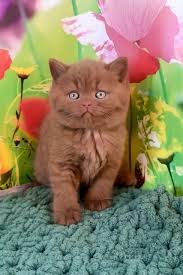
Grooming your British Shorthair orange cat is not just about maintaining its luxurious coat; it’s an essential aspect of their overall health and well-being. Known for their adorable round faces and plush fur, these cats require a tailored grooming routine that suits their unique characteristics and needs. From brushing techniques to nail trimming, creating a bond with your feline companion during grooming sessions can enhance trust and comfort. In this guide, we’ll explore the ultimate grooming routine for your British Shorthair orange cat, ensuring they remain happy, healthy, and looking their best.
Understanding the British Shorthair Orange Cat
Characteristics of the Breed
British Shorthair Orange Cats are like the furry versions of Winston Churchill—well-built, dignified, and undeniably charming. With their iconic round faces, dense coat, and striking orange hue, they’re the feline equivalent of a cozy sweater. These cats boast a calm demeanor, making them perfect companions for both bustling households and peaceful abodes. They possess a playful yet laid-back attitude that often draws admiration, plus a robust physique that makes them look like little tanks of affection. When they’re not lounging around looking regal, they’re plotting their next snack!
Grooming Needs of British Shorthairs
While their plush coats look like they might require a spa day every week, British Shorthairs have relatively low grooming needs compared to their fur-coated peers. Their short, dense fur doesn’t mat easily—thank goodness! However, a regular brushing routine will keep their coat shiny and reduce the number of stray hairs on your favorite couch. Plus, keeping an eye on their eyes and ears is crucial since we all know that cats have a natural talent for getting into things they shouldn’t!
Essential Grooming Tools for Your Cat
Brushes and Combs
A good grooming session begins with the right tools. For your British Shorthair Orange Cat, a slicker brush is your best friend. This magical tool helps remove loose fur, dirt, and dander while also giving your cat a nice relaxing massage (because who doesn’t love a good rubdown?). A wide-toothed comb can also be effective for any stubborn tangles that may attempt to crash the party!
Shampoo and Conditioner
Look for a cat-friendly shampoo that is gentle on their skin and, ideally, one that smells like heavenly catnip or a summer breeze! British Shorthairs can have sensitive skin, so a hypoallergenic option is a great move. If your little orange ball of fluff requires a bath (more on that later), a good conditioner can work wonders in maintaining that plush coat.
Nail Clippers and Grooming Scissors
Nail clippers may seem scary, but think of them as your cat’s version of a mani-pedi. Investing in a good pair of clippers will save your furniture and give your kitty’s paws the pampering they deserve. As for grooming scissors, they’re handy for any stray hairs that need tidying up—especially around the ears and paws. Just be careful, or you might end up with a fashionably uneven fur style!
Ear and Eye Cleaning Supplies
Keep your British Shorthair looking sharp with some gentle ear cleaning solution and soft cotton balls. Cats can be surprisingly dirty little creatures, so regular checks and cleanings are key to preventing build-up. For those adorable eyes, a soft, damp cloth or a specialized wipe will help keep any gunk at bay. Your cat will appreciate the extra attention!
Bathing Techniques for a Stress-Free Experience
When to Bathe Your Cat
Bathing your British Shorthair should be reserved for special occasions—think post-visit to the vet or if they’ve rolled in something less than delightful. Generally, they can go about their lives without regular baths, as their coats are designed to repel dirt. However, if they’ve gotten into a sticky situation (and we all know cats have a flare for the dramatic), it’s time to bring out the big guns.
Step-by-Step Bathing Process
1. First, gather all your supplies like a ninja prepares for battle: shampoo, towels, and a brush.
2. Fill the tub or sink with a few inches of lukewarm water—just enough to give them a proper rinse but not enough for a splash zone.
3. Gently lower your cat into the water, making soothing sounds (think lullaby, not rock concert).
4. Lather up the shampoo, massaging it into their coat while avoiding the face like the plague.
5. Rinse thoroughly to ensure no suds are left behind; no one wants to be that cat with leftover shampoo!
Drying Your Cat Safely
After the big bath adventure, it’s time for the drying phase. Wrap your wet furball in a towel and gently pat them dry (no rubbing—think of it like a delicate dance). If your cat tolerates it, a low-speed hairdryer can be used, but make sure to keep it at a safe distance so you don’t send them into a panic. If all else fails, let them do their own drying routine—cats are masters of air-drying!
Brushing and De-shedding: Best Practices
Choosing the Right Brush for Your Cat
Selecting the right brush is crucial for maintaining that plush coat. A slicker brush is great for everyday grooming, while a bristle brush can be used for final touches to give their coat that glossy shine. If your British Shorthair is feeling particularly fuzzy in the shedding season, consider a de-shedding tool to help collect the notorious “fur tumbleweeds.”
Brushing Techniques to Minimize Shedding
To minimize shedding and keep your home fur-free, aim for a brushing session at least once a week. Use long, gentle strokes in the direction of hair growth. Focus on problem areas—like the belly, where they tend to get messy. Make it a fun bonding experience with treats and affection, so they associate brush time with good vibes and not just “the thing human does.”
Dealing with Matting and Tangles
If your British Shorthair has become a matting champion, don’t panic! Start by gently pulling apart the mats with your fingers (like untying shoelaces). If it’s stubborn, a dematting comb or scissors can save the day. But remember, patience is key! If you feel like you’re wrestling with an octopus, it might be time to consult a professional groomer who has the skills (and potentially stronger coffee) to handle it.
Nail Trimming: Tips for Safety and Comfort
Understanding Your Cat’s Paws
Your British Shorthair’s paws are not just adorable fluff balls; they house those perilous claws! Understanding the anatomy of your cat’s paws can make the nail trimming process smoother. Each claw has a blood supply known as the “quick,” which you want to avoid. Look for the pink area on light-colored claws; that’s where you stop. Dark claws may be trickier, so it’s best to carefully trim small bits at a time.
How to Trim Nails Without Stress
First things first—don’t turn your home into a wrestling ring. Start by getting your cat used to having their paws touched. Use a high-quality cat nail clipper (because who doesn’t want to use the right tools?). Gently squeeze their paw to extend the claws and trim just the tip. Consider employing a buddy system, where one of you distracts the kitty with treats while the other does the clipping. Voila! Teamwork makes the dream work.
Recognizing Signs of Discomfort
Your cat may not have vocal cords like a toddler, but they have plenty of ways to express their displeasure. Watch for signs like squirming, hissing, or sudden claw-shedding attempts! If you see your furry friend trying to escape faster than a magician’s rabbit, it’s time to pause. Always keep a close eye on their body language; if they’re trying to tell you something, heed the warning!
Ear and Eye Care: Keeping Your Cat Healthy
Signs of Ear Infections
No one wants to be the person who ignores the signs of an ear infection—especially when it comes to your kitty. Watch for symptoms like head shaking, scratching at their ears, or a suspiciously strong odor. If your British Shorthair is suddenly favoring one ear (or does a dramatic ear flop), it may be time to schedule a vet visit.
Cleaning Techniques for Ears
Cleaning your cat’s ears might sound like a quest for the brave, but it doesn’t have to be a horror movie! Use a veterinarian-recommended ear cleaner and a cotton ball. Gently wipe the outer part of the ear and avoid going too deep—no one wants to unleash a feline freakout! Just think of it as a spa day, but with a little less cucumber and a lot more patience.
Eye Care and Common Issues
Your British Shorthair’s expressive eyes could rival a soap opera star’s! Keep an eye out for any excessive tearing or discharge, as these can be signs of issues like conjunctivitis. Gently wipe away any gunk with a damp cloth, but if you notice persistent problems, it’s off to the vet for a thorough check-up. Remember, happy eyes mean happy cats!
Grooming Frequency: How Often to Groom
Daily vs. Weekly Grooming
When it comes to grooming your British Shorthair, consistency is key! While daily brushing can be a fabulous bonding experience, a quick once-a-week session can also do the trick if your cat isn’t a huge fan of the brush. Just remember, the more hair you manage during grooming, the less you’ll find on your clothes—or in your lunch!
Seasonal Considerations
With the changing seasons comes fur shedding that can rival a winter snowstorm. During spring and fall, your cat’s shedding can go into overdrive, so consider increasing grooming sessions to keep the hair tumbleweeds at bay. Plus, a little extra fluff removal means more snuggle time with your fresh, non-shedding kitty!
Grooming as Bonding Time: Building Trust with Your Cat
Creating a Calm Grooming Environment
Transform your grooming sessions into a zen-like experience. Choose a quiet spot where your cat feels safe—maybe their favorite sunny windowsill or cozy blanket. Soft music (like smooth jazz, perhaps?) and calming scents will create the ultimate spa atmosphere. Just picture it: you and your British Shorthair, living the good life!
Using Positive Reinforcement
Who doesn’t love a good reward? Treats are your best friend during grooming time! After a successful session, offer a tasty snack or a fun toy as a reward. This creates a positive association with grooming that’ll have your cat purring for more. Think of it as training for the “Best Groomed Cat” Olympic team—complete with treats on the podium!
Recognizing Your Cat’s Limits
Remember, your cat is not a fan of the “push it to the limit” mindset. Pay attention to their cues and take breaks when needed. If your cat starts to squirm or give you the notorious “death stare,” call it a day. A little patience goes a long way in building trust, so end on a high note and come back for round two later!In conclusion, establishing a consistent grooming routine for your British Shorthair orange cat is vital for their health and happiness. By incorporating the right tools and techniques, you can make grooming a pleasant experience for both you and your feline friend. Remember that patience and positive reinforcement are key to building trust during these sessions. With regular grooming, your cat will not only look stunning but also feel comfortable and loved, strengthening the bond you share. Happy grooming!
Frequently Asked Questions
How often should I groom my British Shorthair orange cat?
It is recommended to groom your British Shorthair orange cat at least once a week, but more frequent grooming may be necessary during shedding seasons to manage loose fur and prevent matting.
Can I use human shampoo for bathing my cat?
No, it’s best to use a cat-specific shampoo as human shampoos can disrupt a cat’s natural skin pH and may cause irritation. Look for gentle, hypoallergenic formulas designed for felines.
What should I do if my cat resists grooming?
If your cat resists grooming, try to create a calm environment and use positive reinforcement, such as treats or gentle praise. Gradually introduce grooming tools and take breaks to avoid overwhelming your cat.
Are there any specific signs I should look for regarding my cat’s skin health during grooming?
Yes, while grooming, watch for any signs of skin issues such as redness, bumps, excessive scratching, or hair loss. If you notice anything unusual, consult your veterinarian for advice.