
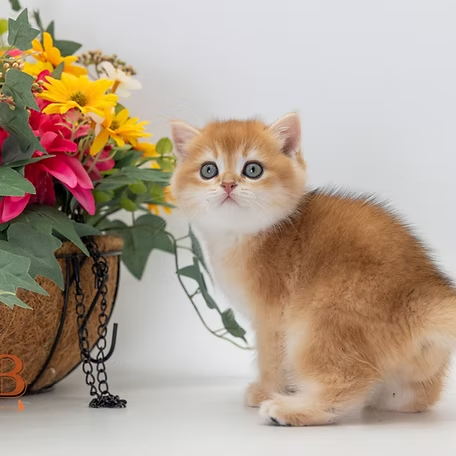
If you’re a cat lover seeking the perfect furry companion, look no further than the British Shorthair Orange. Renowned for their charming personalities and striking appearance, these cats embody the ideal blend of affection and independence. With their plush coats and round faces, they not only make for stunning pets but also bring a delightful warmth and playfulness to any household. This article delves into the unique characteristics, care requirements, and the many reasons why British Shorthair Oranges are considered the ultimate cuddle buddies for cat enthusiasts. Whether you’re contemplating bringing one into your home or simply want to learn more about this lovable breed, read on to discover all that makes these cats so special.
Overview of British Shorthair Oranges
History and Origins
British Shorthairs have a rich history that can be traced back to the Roman times when they were bred for their robust physiques and excellent mousing skills. While they come in various colors and patterns, the delightful British Shorthair Orange is a star in its own right. This vibrant hue has become increasingly popular among cat lovers, often seen lounging and ruling households with an adorable blend of independence and affection.
Physical Appearance
These felines are known for their round faces, big eyes, and plush bodies that could give a teddy bear a run for its money in the cuteness department. The British Shorthair Orange, in particular, boasts a rich, warm coat that can range from a soft, pale orange to a deep, vibrant hue. Their chunky build is supported by sturdy legs, and their short, dense fur requires minimal maintenance, making them the perfect cuddle buddy straight out of a storybook.
Unique Characteristics of British Shorthair Oranges
Distinctive Coat Color and Patterns
The British Shorthair Orange flaunts a stunning coat that can be described as a ray of sunshine wrapped in fur. Known for its strikingly uniform and solid color, this breed’s vibrant orange coats often feature a hint of tabby markings, adding depth and personality. Each kitty is a unique masterpiece, and their coat, often compared to a freshly baked pumpkin pie, is undeniably one of their most charming features.
Size and Build
When it comes to size, British Shorthair Oranges are no shrinking violets. They typically weigh between 9 to 18 pounds, depending on their age and gender, with a sturdy build that radiates strength. Their broad chests, muscular necks, and strong legs make them look impressively powerful, yet they have a demeanor that’s as soft as their cuddly coats. Think of them as a linebacker in a fluffy disguise—perfect for snuggling!
Temperament and Behavior: The Ideal Companion
Affectionate Nature
These cats have a reputation for their charming and affectionate nature, earning them the title of ‘ultimate cuddle buddy.’ They thrive on human interaction and can often be found sitting on laps, nudging their owners for attention, or purring contentedly beside you as if they’re the most delightful furry pillow known to mankind. Their gentle temperament makes them great companions, even for those new to the cat-owning game.
Playfulness and Energy Levels
While British Shorthair Oranges are known for their relaxed demeanors, they also have a playful side that emerges during playtime. They enjoy engaging in fun activities, whether chasing feather toys or playing hide and seek with their favorite human. However, they balance their playful antics with the grace of a seasoned catnapper, ensuring they can recharge for their next round of cuddles. It’s the best of both worlds, really.
Care and Maintenance Tips for Your British Shorthair Orange
Feeding and Nutrition
To keep your vibrant British Shorthair Orange happy and healthy, a balanced diet is key. Opt for high-quality cat food that suits their age and activity level. Make sure to follow feeding guidelines to prevent any unintentional expansion of their already adorable waistline. Remember, too many treats may lead to a cat that rolls, rather than strolls!
Grooming Requirements
Fortunately, British Shorthair Oranges have a low-maintenance grooming routine. Their short, dense fur requires only occasional brushing to keep it looking its best and to reduce shedding. A good brush every week will suffice, allowing you to savor those bonding moments without turning your home into a feline fur haven.
Creating a Comfortable Environment
To ensure your British Shorthair Orange feels right at home, create a cozy space that caters to their needs. A soft bed, plenty of scratching posts, and some fun toys are essential components to their kingdom. Cats generally love high perches, so consider giving them a cat tree or a sunny windowsill to absorb those light-filled rays while keeping an eye on the neighborhood!
Health Considerations for British Shorthair Cats
Common Health Issues
British Shorthair Oranges are generally robust, but they aren’t immune to the classic feline health pitfalls. Common issues include hypertrophic cardiomyopathy (HCM), a heart condition that can affect their peaceful purring. You might also encounter issues like obesity (because let’s face it, who can resist those adorable pleading eyes at dinner time?) and dental problems, which require regular attention. Keeping a close eye on your furry friend and staying in tune with their vet can help give them a longer, healthier life.
Regular Veterinary Care
Regular check-ups are non-negotiable, folks! A yearly visit to the vet will help catch any potential health issues before they turn into full-blown cat-tastrophies. Vaccinations, dental cleanings, and weight management are all part of the package. A little preventive care goes a long way in keeping your British Shorthair Orange happy and healthy. Remember, a healthy cat means more snuggles and fewer trips to the vet!
Socialization and Interaction with Other Pets
Introducing Your Cat to New Environments
Whether you’re moving into a new home or just rearranging the furniture, introducing your British Shorthair Orange to new environments can be an adventure! Start slow—let them explore at their own pace. Create a safe space where they can retreat if they feel overwhelmed. Treats and toys can be great incentives to encourage exploration (and who doesn’t love a good cat toy?). With their laid-back personality, they’re usually quick to adjust to new digs, even if they take a moment to analyze the entire situation first.
Interacting with Other Animals
As social creatures, British Shorthair Oranges typically get along with other pets—after all, what’s more fun than sharing your space with a furry friend? When introducing them to other pets, patience is key. Start with scent swapping—let them get familiar with each other’s smell before they meet face-to-face. Supervised interactions are crucial at first because, let’s be honest, every cat has its quirks. With time, they can become the best of buddies, or at least agree to coexist peacefully (which is a win in the cat world!).
Why British Shorthair Oranges Make Great Family Pets
Compatibility with Children
British Shorthair Oranges generally have a chilled-out personality, making them natural family pets. They’re patient and tolerant, which is ideal for families with young children. However, teaching kids to respect their feline friend’s boundaries is crucial—nobody wants a swat to remind them that even the fluffiest of friends need their space at times. With a bit of guidance, these cats can become loving companions that children will adore.
Long-Term Commitment
Bringing a British Shorthair Orange into your home means committing to a furry family member for the long haul. These cats can live up to 15 years (or more!), so be prepared for a relationship that lasts longer than your favorite TV series. They thrive on love and attention, so be ready to shower them with affection for years to come. Think of them as the cuddly, purring glue that holds your family together—who doesn’t want that?
Conclusion: The Joy of Owning a British Shorthair Orange
Key Takeaways
In summary, British Shorthair Oranges are not just adorable; they’re also affectionate, low-maintenance companions that fit well into various family dynamics. With a bit of attention to their health and social needs, you’ll be rewarded with a loyal cuddle buddy for many years— plus, their quirky antics will keep you entertained!
Final Thoughts on Choosing a Pet
When choosing a pet, consider how they fit into your lifestyle. A British Shorthair Orange is an excellent choice for those looking for a loving, gentle, and relatively easy-going cat. Remember, adopting is not just a commitment—it’s an adventure! So, if you’re ready for a fluffy new family member who might just steal your heart (and your spot on the couch), look no further!In conclusion, British Shorthair Oranges truly make exceptional companions for cat lovers of all kinds. Their affectionate nature, unique appearance, and easygoing temperament make them a delightful addition to any family. By understanding their needs and providing proper care, you can enjoy many joyful moments with your furry friend. Whether you’re already a proud owner or considering adopting one, the bond you share with a British Shorthair Orange is sure to bring endless love and happiness into your home.
FAQ
What is the average lifespan of a British Shorthair Orange?
The average lifespan of a British Shorthair Orange is typically between 12 to 20 years, depending on genetics, diet, and overall care.
Are British Shorthair Oranges good with children?
Yes, British Shorthair Oranges are known for their gentle and friendly demeanor, making them great companions for children and families.
How much grooming do British Shorthair Oranges require?
British Shorthair Oranges have a dense coat that benefits from regular brushing, ideally once a week, to reduce shedding and prevent matting.
What should I feed my British Shorthair Orange?
A high-quality, balanced diet that includes protein-rich cat food is recommended, along with fresh water available at all times to ensure their health and well-being.