
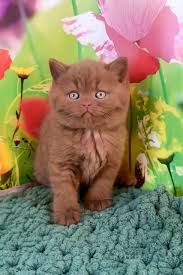
The British Shorthair Orange is more than just a stunning feline with a striking coat; it is a beloved family companion known for its affectionate nature and charming personality. With a rich history and a unique blend of characteristics, this breed stands out as an ideal choice for families seeking a loyal and playful pet. From their playful antics to their gentle demeanor, British Shorthair Oranges provide not only love and companionship but also a sense of joy and stability in a household. In this article, we will explore the captivating qualities of this breed, including its temperament, care requirements, and the many ways it can enrich family life.
Overview of the British Shorthair Orange
History and Origins
The British Shorthair, known for its charm and character, dates back to the Roman times when cats were used to keep rodent populations under control. The orange variant, often dubbed “the orange tabby,” has roots in the natural mutations that occurred over centuries. This breed gained popularity in the 19th century, thanks in part to its plush appearance and delightful demeanor, making it a favorite among cat lovers. Today, the British Shorthair Orange is celebrated for its sweet temperament and cuddly appearance, offering a cozy addition to family life.
Color Variations and Patterns
While the British Shorthair comes in an array of colors, the orange variant stands out with its vibrant hues ranging from a soft golden shade to a deep, rich copper. Their coats can be classic tabby, with swirling patterns reminiscent of a comfy blanket, or solid, providing a warm splash of color. No matter the pattern, their eye-catching fur adds a splash of personality and warmth to any home. Plus, who doesn’t love a cat that matches their autumn décor?
Distinctive Features and Characteristics
Physical Traits
British Shorthairs are like the bodybuilders of the cat world—thick-set, muscular, and undeniably charming. With round faces and chubby cheeks, they possess a certain roly-poly aesthetic that’s hard to resist. Their large, round eyes can be copper or gold, giving them a soulful, almost cartoonish look. Noteworthy are their sturdy legs and broad chests, making them the perfect cuddle companions when you want to binge-watch your favorite series.
Coat Texture and Grooming Needs
Ah, the luxurious fur of the British Shorthair—the envy of many a cat breed! Their coat is dense yet soft, reminiscent of a plush teddy bear. While they don’t require excessive grooming—thanks to their short, easy-care fur—a weekly brushing will help keep any loose hairs at bay and ensure that their coat stays shine-bright like a diamond. So, keep that comb handy and enjoy a little bonding time while you brush away the fuzz!
Temperament and Behavior
Social Interaction with Family Members
The British Shorthair Orange is known for its easy-going nature and gentle disposition. They are affectionate without being clingy, making them the ultimate family cat. Expect a friendly feline who enjoys the occasional head scratch and lap sit, yet won’t hesitate to entertain themselves if you’re busy. Their calm demeanor allows them to get along well with children and even the family dog, proving that they are true family members—minus the mortgage!
Playfulness and Activity Level
When it comes to play, the British Shorthair Orange has a balanced approach. They enjoy interactive toys and games but are not overly hyperactive. Think of them as the couch co-pilot who’s always up for a short game of chase but equally ready to unwind for a cozy nap on your lap. They thrive on a little daily playtime to keep their spirits high and their bodies active but are just as happy observing from their favorite sunny spot.
Health and Care Requirements
Common Health Issues
Like any breed, the British Shorthair is susceptible to certain health issues, with obesity being a primary concern. Their plush physique can lead to weight gain if not monitored, so keeping an eye on portion sizes and encouraging play is vital. Additionally, they may have a predisposition to heart conditions like hypertrophic cardiomyopathy, so regular vet check-ups are essential. With proper care, these cats can be healthy, happy companions for many years.
Nutritional Needs and Diet
A well-balanced diet is key to keeping your British Shorthair Orange in tip-top shape. Look for high-quality cat food that lists meat as the first ingredient—this is not the time for a grain-heavy diet! Consult your veterinarian for a feeding plan tailored to your cat’s age and activity level, as this will help prevent those pesky health issues. Treats are fine, but moderation is the name of the game; unless you want a cat who resembles a fluffy potato, of course!
Training and Socialization Tips
Basic Commands and Obedience Training
Training a British Shorthair Orange can be as straightforward as getting your kids to share their toys—distracting, but definitely possible! Start with basic commands like “sit,” “stay,” and “come.” Use treats (because who doesn’t love a good snack?) and positive reinforcement to reward good behavior. Keep training sessions short—about 5 to 10 minutes—so your furry friend doesn’t tune out and start thinking about naps. Patience is key; remember, Rome wasn’t built in a day, and neither is a well-trained kitty!
Introducing to Other Pets
When introducing your British Shorthair Orange to other pets, think of it as a carefully planned family reunion—where the cats are indifferent and the dogs are overzealous! Start with a slow introduction, allowing them to sniff each other out under a door or through a baby gate. Supervise their first few meetings to avoid any feline drama. Gradually mix up playtimes and feeding areas; before you know it, they’ll be lounging together like a purring, furry Instagram family!
Ideal Family Environment
Space Requirements
British Shorthair Orange cats are the ultimate chill companions; they don’t need a mansion but rather a cozy nook to call their own. A small to medium-sized home is perfect, as long as it offers some climbing spots—think cat trees or shelves—and cozy spots for their afternoon catnaps. They love lounging around but also enjoy a little room to play, so just enough space for a feather toy to flutter around or a ball to roll will suffice.
Safe Areas for Play and Exploration
Safety first! Create a play environment free from hazards like dangling cables (yes, your cat might think they’re a new toy) or breakables that could end in catastrophe. Designate a play area with a couple of fun cat trees, scratching posts, and designated toy zones. Sunlit windowsills are a bonus for them to watch the world go by and dream of hunting (or chasing imaginary laser pointers). Just remember, no matter how curious they are, keep the houseplants off-limits, as some can be toxic.
Fun Activities to Enjoy Together
Interactive Toys and Games
Who says cats aren’t into high-tech? Get ready to bond with your British Shorthair Orange over interactive toys like puzzle feeders or battery-operated mice that zoom around the room. These toys stimulate their minds and keep them entertained, plus they’ll appreciate the extra effort you put into making their playtime exciting. Don’t forget about those good old-fashioned catnip toys—just be prepared to witness a hilarious 5-minute catnip frenzy!
Outdoor Adventures and Safety Tips
Although British Shorthair Oranges are more homebodies, if you’re keen to explore the great outdoors together, consider a secure harness and leash. Slowly introduce them to the outside world with short walks around the yard or quiet park visits. Keep an eye out for any potential escape routes or sneaky squirrels that could send them scurrying! Always prioritize their safety by avoiding busy roads and harsh weather. After all, an outdoor adventure should be as relaxing as a cat nap, not a heart-pounding chase!
Conclusion: Why Choose a British Shorthair Orange
In conclusion, if you want a loyal, amusing, and low-maintenance feline that embraces family life with open paws, look no further than the British Shorthair Orange. They’ll offer not just companionship but also a touch of joy, laughter, and a sprinkle of mischief. Get ready for a delightful chapter in your family’s adventures—one whiskered hug at a time! In conclusion, the British Shorthair Orange truly embodies the qualities of an ideal family cat companion. With their affectionate nature, playful spirit, and low-maintenance care requirements, they seamlessly integrate into family life, bringing joy and warmth to any home.
FAQ
1. What is the typical lifespan of a British Shorthair Orange?
The typical lifespan of a British Shorthair Orange is around 12 to 15 years, with proper care and regular veterinary check-ups.
2. Do British Shorthair Oranges get along well with children?
Yes, British Shorthair Oranges are known for their gentle temperament and are generally good with children, making them a great family pet.
3. How much grooming do British Shorthair Oranges require?
British Shorthair Oranges have a dense coat that requires minimal grooming, usually needing a weekly brush to remove loose hair and maintain coat health.
4. Are British Shorthair Oranges prone to any specific health issues?
While generally healthy, British Shorthair Oranges can be prone to some genetic conditions, such as obesity and heart issues. Regular veterinary care is important to monitor their health.