
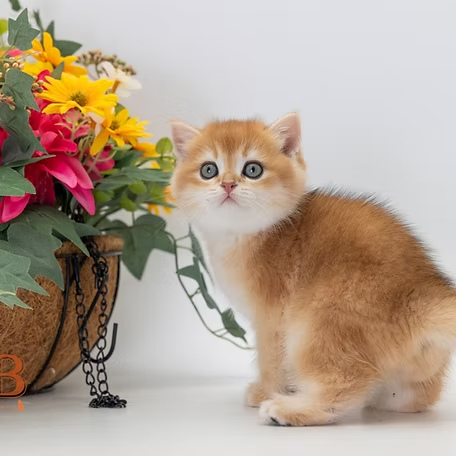
Training your British Shorthair orange cat can be a rewarding experience that strengthens the bond between you and your feline friend. Known for their charming personalities and playful nature, these cats respond well to positive reinforcement and consistent training methods. Whether you’re starting with basic commands or working on socialization, there are essential tips that can help you navigate the training process effectively. In this article, we will explore five key strategies to ensure your British Shorthair thrives while learning new behaviors and skills.
Understanding the British Shorthair Orange Cat Personality
Characteristics of the Breed
British Shorthair Orange Cats are like furry little marshmallows—plump, cuddly, and oh-so-sweet! With their round faces, dense coats, and striking orange color, they’re more than just a pretty face. This breed is known for its robust build and broad chest, giving it an air of confidence that says, “Yes, I know I’m adorable.” They have a calm demeanor, making them fantastic companions for both families and singles. In short, they’re the purring potato of the cat world.
Common Temperament Traits
When it comes to temperament, these cats are about as chill as that one friend who never seems to stress about anything. They are typically gentle, affectionate, and quite independent, often balancing their love for human companionship with a desire for personal space. Expect frequent face nudges and the occasional lap invasion, but don’t be surprised if they suddenly decide they’d rather watch the world from the windowsill than snuggle. Their inquisitive nature means they’ll often be found curiously inspecting every nook and cranny of your home—because who wouldn’t want to know what’s in that mysterious box?
Establishing a Positive Training Environment
Choosing the Right Space for Training
Setting the stage for training your British Shorthair Orange Cat is crucial. Pick a quiet, comfortable spot—preferably one free from squirrel distractions and TV drama reruns. A cozy corner with a soft surface works wonders; it will make your feline feel at ease. Remember, if your cat feels like they’re in a bustling café during rush hour, they’ll be more likely to take a snooze instead of learning “sit.”
Minimizing Distractions
Cats can be easily distracted, which is basically a polite way of saying they have the attention span of a goldfish. To help your furry friend focus, eliminate distractions—put away the tempting feather toys, turn off the vacuum cleaner, and, for the love of catnip, avoid loud noises. You want to create a serene environment that says, “Hey, it’s just you and me, buddy. Let’s nail this training thing!”
Basic Commands: Teaching Your Cat the Fundamentals
Starting with Simple Commands
Begin your training journey with simple commands like “sit” and “come.” Use a friendly tone that makes you sound like a contestant on a cat-friendly game show. Keep sessions short—around five to ten minutes—to prevent your cat from zoning out or deciding that floor licking is a more stimulating option. Start by demonstrating the command; for “sit,” gently guide your cat’s bottom down using a treat. Remember, patience is key; if you’re frustrated, your cat will sense it and likely become a fluffy lump of defiance.
Gradually Increasing Complexity
Once your cat has mastered the basics, it’s time to spice things up! Introduce new commands or tricks one at a time, like “high five” or “roll over.” Just like a feline magician, make it fun and engaging! Break down the trick into small steps—baby steps work wonders. By keeping training sessions playful and rewarding, your British Shorthair will be eager to learn more, and you’ll both enjoy a few chuckles along the way.
Utilizing Treats and Rewards Effectively
Selecting the Right Treats
Treats are the secret sauce to successful training. However, not all treats are created equal. Choose something your cat goes absolutely bananas for, whether it’s crispy morsels, soft bites, or even a dash of premium tuna flakes. Just ensure they’re healthy—no one wants a chubby kitty that thinks a treat is breakfast, lunch, and dinner!
The Timing of Rewards
Timing is everything—especially when it comes to treats. Reward your cat immediately after they perform the desired behavior, so they connect the dots. Wait too long, and your feline friend might think the treat is for the dust particle they just chased across the floor. Consistency is key, so whip out that treat every time they get it right, and soon enough, they’ll be strutting their stuff like pros!
Socialization: Encouraging Interaction with People and Pets
Introducing New People Safely
British Shorthair Orange Cats are known for their charming personality and rich color, but they can be a bit reserved when it comes to meeting new faces. To help your feline friend embrace the world, start by allowing them to observe newcomers from a safe distance. Create a calm environment and let your cat approach at their own pace. Treats can be your secret weapon here—offer a tasty morsel when they sniff someone’s shoe or take a brave step closer. Before you know it, your fluffy ball of sass will be happy to accept belly rubs from guests without dashing off to hide!
Managing Interaction with Other Pets
When introducing your British Shorthair to other furry companions, think of it as a complex dance. Start with a slow introduction—keep the new pet on a leash or in a crate while your cat explores the area. Gradually allow them to get used to each other’s scents. Supervise initial interactions closely, and don’t force the encounter. If your cat swats or hisses, just take a deep breath and let them retreat. Remember, patience is the name of the game. With time, they could become fast friends or at least live in a truce kind of harmony!
Consistency is Key: Setting a Training Routine
Daily Training Sessions
Consistency is like catnip for training success. Aim for short daily sessions—about 5 to 10 minutes—where you can work on commands or tricks (yes, your cat can totally learn how to high-five). Whether it’s using clicker training or simply rewarding with treats, keeping it regular helps reinforce good behavior. Just remember, your British Shorthair is not a fan of long-winded lectures—short and sweet is the way to go!
Tracking Progress Over Time
Keep a simple training journal (don’t worry, it doesn’t need to be bound with a fancy cover). Jot down what works, what doesn’t, and any milestones your cat achieves. This not only helps you stay organized but also allows you to reflect on your progress. Plus, it’s a great way to impress your friends when you proclaim, “My cat can sit, shake paws, and do backflips!” (Well, maybe just the first two.)
Addressing Common Behavioral Issues
Identifying Problem Behaviors
Is your British Shorthair suddenly acting like a mini tornado, knocking over houseplants and batting at everything that moves? Identifying problem behaviors is the first step to solving them. Common issues might include scratching furniture or excessive meowing. Pay attention to the triggers—are they bored? Scared? Just plotting world domination? Understanding the root cause will help you tailor your approach.
Effective Solutions and Techniques
Once you’ve pinpointed the mischief, it’s time to implement solutions. For scratching, provide dedicated scratching posts and reward your cat for using them instead of your favorite chair. For excessive vocalization, try interactive toys or puzzle feeders to keep their minds occupied. And if all else fails, a little extra playtime can work wonders—because what British Shorthair doesn’t like chasing a feather toy through the air?
Celebrating Achievements: Building a Strong Bond with Your Cat
Recognizing Milestones in Training
Every mini milestone is a cause for celebration! Whether your British Shorthair has learned to sit on command or finally mastered the art of not stealing food from the table, take a moment to acknowledge these achievements. Use treats, praise, or a little dance—whatever helps you both revel in the victory (cat treats for them, and maybe a cheeky chocolate for you).
Incorporating Playtime and Affection
Lastly, always mix in playtime and affection into your training routine. Building a bond with your cat goes beyond commands and tricks; it’s about fun and companionship. Try engaging in interactive play sessions with a wand toy or simply unwinding together on the couch. These moments of joy will strengthen your connection and make training feel less like a chore and more like a delightful partnership!By implementing these essential tips, you can create a positive training experience for your British Shorthair orange cat that fosters learning and strengthens your relationship. Remember that patience, consistency, and plenty of love are crucial as you guide your cat through the training process. Celebrate their achievements along the way, and enjoy the journey of watching your feline companion grow into a well-behaved and confident pet. Happy training!
FAQ
What is the best age to start training my British Shorthair orange cat?
It is ideal to begin training your British Shorthair as a kitten, around 8 to 12 weeks old, when they are most receptive to learning and socialization. However, older cats can also be trained with patience and consistency.
How long should training sessions be for my cat?
Training sessions should be short and engaging, typically lasting between 5 to 10 minutes. This helps maintain your cat’s attention and makes the learning process enjoyable.
What training methods work best for cats?
Positive reinforcement is the most effective training method for cats. Using treats, praise, and playtime as rewards encourages your British Shorthair to repeat desired behaviors.
How can I address unwanted behaviors in my cat?
Identifying the cause of unwanted behaviors is key. Redirecting your cat’s attention, providing plenty of stimulation, and using positive reinforcement for good behavior can help mitigate issues.