
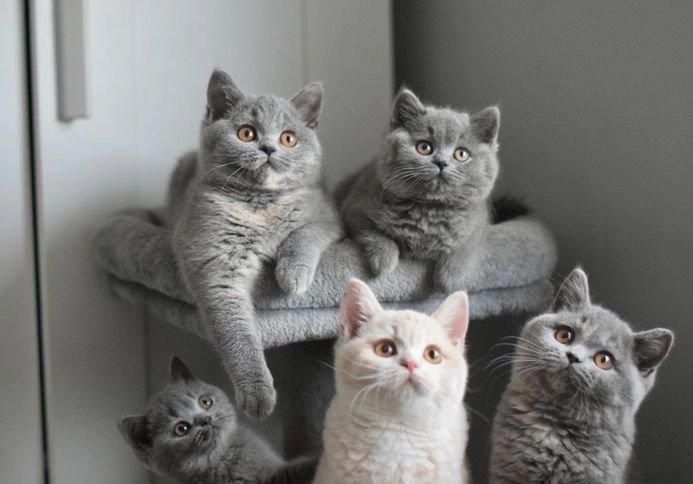
Bringing a British Shorthair into your home can be a rewarding experience, but it’s essential to be well-informed before making this commitment. Known for their charming personalities and distinctive looks, these cats require specific care and consideration to thrive in a domestic environment. From understanding their unique health needs and grooming requirements to preparing your home and ensuring proper nutrition, there are several factors to take into account. This article will guide you through essential knowledge needed for a smooth transition, helping you create a loving and suitable environment for your new feline friend.
Understanding the British Shorthair Breed
History and Origin
The British Shorthair has a history as rich as its dense, plush coat. This breed can trace its lineage back to ancient Rome, where these sturdy cats were likely valued for their mousing skills. As the centuries rolled on, they became a beloved companion in British homes and were even showcased in early cat shows. Fun fact: These felines were also used in the film “Cats,” proving they’re not just cute, but also stars in their own right!
Physical Characteristics
British Shorthairs are like the heavyweight champions of the cat world—stocky, muscular, and built to last. They feature a round face, large, expressive eyes, and plush, dense fur that comes in a plethora of colors but is most famously thought of as ‘British Blue.’ Their chubby cheeks and sturdy build give them an adorably grumpy look that has won the hearts of many (even if they aren’t actually grumpy).
Personality Traits
With a personality as charming as their appearance, British Shorthairs are known for being calm, easy-going, and quite affectionate—without being overly clingy. They thrive on companionship but also appreciate their alone time, making them the perfect buddy for both social butterflies and introverted homebodies. They’re not just lap cats; they’re more like “tolerate you while I nap” cats. And let’s be honest: we all can relate to that!
Health Considerations and Common Issues
Genetic Health Concerns
Like any celebrity, British Shorthairs sometimes come with a few health concerns that aspiring owners should be aware of. They can be prone to certain genetic conditions, including hypertrophic cardiomyopathy (an inherited heart disease). Regular health screenings and choosing a reputable breeder can help keep your kitty’s heart happy and healthy, not to mention your own!
Regular Veterinary Check-ups
A regular vet check-up is like a spa day for your cat—essential for keeping them in tip-top shape. Aim for annual visits (or more often for older kitties) to catch potential issues before they become full-blown drama. It’s also a good time to bribe the vet with treats and get some very professional opinions on your cat’s fabulousness.
Vaccination and Preventative Care
Vaccinations are the superhero capes of the pet world, protecting your British Shorthair from potential villains like feline leukemia and rabies. Following a vaccination schedule and keeping your cat up-to-date on preventatives is crucial for avoiding health issues. Plus, it’s a great way to maintain your cat’s confidence—nobody wants to be caught unprepared when an indoor adventurer becomes a household hero!
Preparing Your Home for a British Shorthair
Creating a Safe Environment
Before welcoming your new feline friend, ensure your home is a cat-proof fortress. Think of it as preparing for a small tornado with fur and a penchant for mischief. Secure loose wires, remove toxic plants, and ensure your windows are cat-proofed. It’s like baby-proofing, but with less emphasis on “no small choking hazards” and more on “no jumping out the window.”
Essential Supplies and Equipment
Your new British Shorthair will need more than just unlimited snuggles (though those are non-negotiable). Stock up on essentials: a cozy bed, scratching posts, litter boxes, and, of course, an array of toys to keep them entertained—preferably something that won’t end up as a casualty of battle (goodbye, favorite socks).
Designating a Space for Your Cat
Cats need their own little kingdom, and your British Shorthair is no different. Designate a quiet space with their bed, litter box, and food/water stations. This will give them a sanctuary to retreat to when the hustle and bustle of your life becomes just a bit too much. Think of it as their personal vacation home, where they can recharge their royal batteries.
Nutrition and Dietary Needs
Choosing the Right Cat Food
When it comes to cat food, think of it as finding the right restaurant for your feline foodie. British Shorthairs thrive on high-quality, protein-rich diets, preferably formulated for their unique size and energy levels. Consult your vet for recommendations, and take note of those cute little labels with “grain-free” or “organic”—your cat deserves gourmet, even if they don’t know it!
Portion Control and Feeding Schedule
Portion control is key for preventing your British Shorthair from turning into a fluffy ball of excess. Establish a feeding schedule that works for both you and your kitty, using measuring cups (yes, it’s come to this) to avoid “free-feeding.” Stick to recommended portions so your cat can enjoy mealtime without entering a food coma on the regular.
Hydration and Water Sources
Just like us, cats need to stay hydrated, and British Shorthairs can be quite particular about their water sources. Consider investing in a cat water fountain—who knew they could be so fancy? Fresh, clean water should always be available, so they can stay refreshed while plotting their next adorable heist (like stealing your chair). Remember, a hydrated cat is a happy cat!
Socialization and Behavioral Traits
Understanding Their Social Needs
British Shorthairs are known for their easygoing nature, but they aren’t the clingy type. These felines enjoy their independence, but they still crave companionship. Think of them as that friend who loves to hang out but also values their alone time. Make sure to spend quality time with your British Shorthair daily, whether it’s gentle petting, a casual game of chase-the-string, or simply chilling in the same room while you binge-watch your favorite show.
Interactions with Other Pets
If you have other pets, a British Shorthair is likely to fit right in! They tend to be friendly and adaptable, often forming peaceful cohabitation agreements with both dogs and fellow felines. However, introductions should be gradual. Ensure everyone gets a proper meet-and-greet to avoid any territorial disputes. You don’t want your British Shorthair setting up a “No Dogs Allowed” sign!
Recognizing Signs of Stress
Even the most chill cats can experience stress. Keep an eye out for behavior changes like hiding more than usual, excessive grooming, or altered eating habits. Their once-charming personality can turn into a “grumpy cat” impression. If you notice these signs, it might be time to reassess their environment or consult your vet. After all, it’s not just you who needs self-care; your furry friend does too!
Grooming and Maintenance Requirements
Brushing and Coat Care
With their plush, dense coats, British Shorthairs might look like a walking, purring teddy bear, but that fluff needs attention! Regular brushing (about once a week) will help keep their coat in tip-top shape and reduce shedding. This is especially important during shedding season, where you may find enough fur to knit a sweater! Use a slicker brush to prevent any potential tangles, and your cat will thank you with extra cuddles.
Nail Trimming and Ear Cleaning
Nail trimming might not be your cat’s favorite spa treatment, but it’s necessary! Aim for a trim every 2-3 weeks to keep their claws from turning into tiny, unintentional weapons. As for ear cleaning, check their ears weekly for wax build-up or dirt, but remember: cotton swabs are for your own ears, not for theirs! A gentle wipe with a damp cloth will do the trick.
Bathing Your British Shorthair
Surprise! British Shorthairs are generally pretty good at grooming themselves, so regular baths aren’t necessary. However, if they get into something particularly sticky (like that mysterious “cat food explosion” on the floor), a bath might be in order. Use lukewarm water and cat-friendly shampoo, and have a towel ready for the inevitable “I hate water!” explosion afterwards.
Training Tips for a British Shorthair
Litter Box Training
When it comes to litter box training, British Shorthairs are usually a breeze. They’re smart cookies, often figuring out the litter box within a day thanks to their natural instincts. Just ensure you have a clean and accessible litter box, and they’ll do their thing in no time. You can even reward them with treats for a job well done—because who doesn’t love a little praise?
Basic Commands and Tricks
While not as eager as some breeds to impress you with party tricks, British Shorthairs can learn basic commands and even some fun tricks! Positive reinforcement is key here, so use tasty treats as motivation. “Sit” and “high five” are popular choices. Just be patient; if your kitty seems uninterested, remember: not everyone is cut out for the circus!
Addressing Behavioral Issues
If your British Shorthair develops some troublesome habits—like knocking things off counters or excessive meowing—it’s often a sign they need more stimulation. Try engaging them with toys, interactive play, or puzzle feeders to keep their minds sharp and their paws busy. If issues persist, consider consulting a vet or animal behaviorist. Sometimes a little help goes a long way in keeping both you and your furry friend happy!
Finding a Reputable Breeder or Adoption Option
Questions to Ask a Breeder
Before you decide to add a British Shorthair to your family, do your homework! A good breeder will be more than happy to answer questions about health screenings, lineage, and their breeding practices. Ask about the kittens’ socialization, temperament, and any health issues common to the breed. A reputable breeder will want to ensure their kittens go to loving homes—so feel free to grill them like you’re on a detective reality show!
Adoption from Shelters and Rescues
Adopting a British Shorthair from a rescue or shelter is a wonderful option! Not only do you give a cat a second chance, but it can also be a more budget-friendly alternative. Reach out to local animal shelters or breed-specific rescues. Many organizations will have thorough vetting processes to ensure their cats go to the best homes. Plus, who doesn’t love a good rescue story?
Understanding Adoption Fees and Contracts
Adoption fees can vary widely depending on where you adopt from and the cat’s age. These fees typically cover vaccinations, neutering/spaying, and sometimes even microchipping. Be sure to read the adoption contract carefully—there may be clauses on returning the cat if needed. It’s like signing a lease, but instead of a deposit, you get a fluffy roommate who judges your every move.In conclusion, welcoming a British Shorthair into your home is a joyful journey that comes with its own set of responsibilities and rewards. By understanding their unique needs, preparing your environment, and committing to their care, you can ensure a happy and healthy life for your new companion. Whether you choose to adopt or buy from a breeder, being well-informed will enable you to build a strong bond with your British Shorthair, making for many cherished moments together.
FAQs
What is the average lifespan of a British Shorthair?
The average lifespan of a British Shorthair is typically between 12 to 20 years, depending on factors such as genetics, diet, and overall care.
Are British Shorthairs good with children and other pets?
Yes, British Shorthairs are generally known for their calm and friendly demeanor, making them good companions for children and other pets when properly socialized.
How much grooming do British Shorthairs require?
British Shorthairs have a dense coat that requires regular brushing, typically once a week, to reduce shedding and prevent matting. They also need occasional nail trims and ear cleaning.
What should I feed my British Shorthair?
A balanced diet formulated for indoor cats is recommended, focusing on high-quality protein and essential nutrients. It’s important to monitor portion sizes and provide fresh water at all times.