
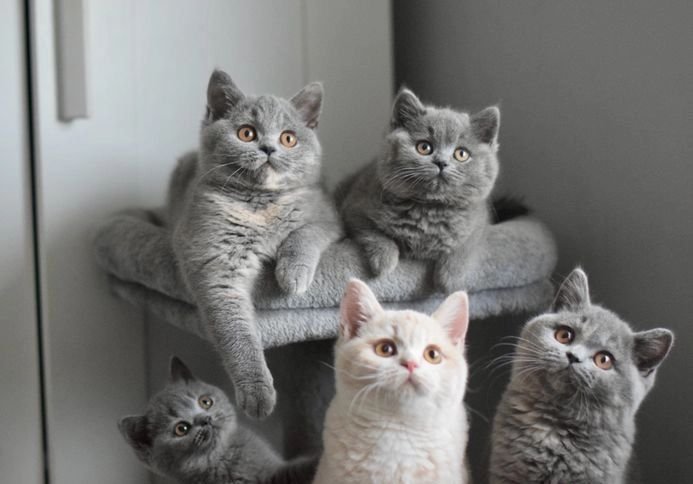
Bringing a British Shorthair into your home can be a rewarding experience, as these charming cats are known for their distinct appearance, affectionate nature, and friendly demeanor. However, navigating the process of acquiring one can be overwhelming for prospective pet owners, especially in a market as diverse as the USA. This guide aims to provide comprehensive insights into the essential considerations and steps involved in buying or adopting a British Shorthair, from understanding the breed’s characteristics to finding reputable breeders and preparing your home for a new feline companion. Whether you’re a first-time cat owner or a seasoned enthusiast, this resource will help ensure a smooth transition for both you and your new pet.
Overview of the British Shorthair Breed
History and Origins
The British Shorthair is steeped in history, tracing its lineage back to ancient Rome, where it was revered for its hunting prowess. Fast forward to the 19th century, and British cat enthusiasts began to formalize the breed, celebrating its sturdy build and plush coat. It’s like the cat version of a vintage wine—dating back to the Romans but still making people swoon today.
Distinctive Physical Traits
Picture a cuddly teddy bear with legs—voilà, that’s your British Shorthair! They sport a round face, plush cheeks, and sturdy, broad bodies, all of which make them look like they’ve just stepped out of a cat modeling agency. Their eyes can be copper, blue, or even gold, always giving off that “I just spotted the treat jar” look. Their coat is dense and soft, making them irresistible to pet—just try not to get lost in those plush folds!
Temperament and Personality
British Shorthairs are the cool cats of the feline world. They’re friendly yet independent, like that roommate who shares snacks but doesn’t invade your personal space. Known for their laid-back demeanor, they’re not the hyperactive types who’ll knock your favorite mug off the table. Instead, they prefer lounging around and supervising your every move, ensuring you know they’re the true rulers of the household.
Understanding British Shorthair Characteristics
Coat Colors and Patterns
These cats come dressed to impress with a plethora of coat colors and patterns. From classic blues (think smurf but fluffier) to cream, lilac, and even tabby patterns, their wardrobe is practically a rainbow. The notable “British Blue”—a gorgeous slate gray—is a crowd favorite, but you’ll find that any color they sport makes them look like a million bucks (or perhaps just one fancy treat).
Size and Build
British Shorthairs are like the gym bunnies of the cat world—muscular and stocky without losing their charming appeal. Adult males typically weigh between 9-18 pounds, while females seem to favor a slightly lighter load at 7-14 pounds. They carry their weight well, with broad chests and sturdy legs, making them look less like a dainty diva and more like a feline bodybuilder.
Common Behavioral Traits
When it comes to personality, British Shorthairs are laid-back with a sprinkle of sass. They’re affectionate without being clingy, often enjoying a good cuddle, but just as happy to chill alone while you binge-watch another season of your favorite show. At times, you’ll catch them engaging in a little mischief, whether it’s hunting down that elusive dust bunny or plotting to sit on your laptop—after all, what better way to get your attention?
Researching Reputable Breeders
Identifying Ethical Breeders
Finding a reputable breeder can be as tricky as finding a good parking spot in a crowded mall. Look for breeders who prioritize the health and well-being of their cats over profit—cue the warm fuzzies. Check if they are members of breed associations and if their facilities are clean and welcoming. A good breeder will encourage you to visit and interact with the kittens and their parents before making any commitments.
Questions to Ask Potential Breeders
When you meet a potential breeder, channel your inner Sherlock Holmes and be inquisitive. Ask about health testing, socialization practices, and the lineage of the kittens. Don’t shy away from asking about their experience and how they handle any genetic issues that may arise. Remember, you’re not just looking for a cat; you’re seeking a partner in crime (and possibly a fur-covered therapist).
Understanding the Breeder’s Responsibilities
A solid breeder sees themselves as a steward of the breed, responsible for the health and socialization of their cats. They should provide you with necessary documentation, including health records and kitten contracts, to ensure both parties are covered. A reputable breeder will also be available for support even after the sale, ensuring you have the resources to raise your new feline friend successfully.
Adoption vs. Purchasing from Breeders
Benefits of Adoption
Adopting a cat is like finding a hidden treasure—you’re offering a deserving feline a second chance at happiness. Many shelter cats are already declawed, spayed/neutered, and , thankfully, litter-trained. Plus, when you adopt, you’re saving lives and giving a cat the love it deserves while also making space for more furry friends in shelters. Who doesn’t want to wear the “best human” badge?
Pros and Cons of Buying from Breeders
Buying from a breeder can ensure you get a kitten with a predictable temperament and health history, perfect if you have specific preferences. However, this option might come with a higher price tag and lesser adoption flexibility. Scrutinize the breeder’s practices—ethical breeders will prioritize the well-being of their cats, so make sure they check out before you swipe that credit card!
Where to Find Adoptable British Shorthairs
If adoption is on your radar, scour local shelters, rescue groups, and online databases like Petfinder and Adoptapet. Social media is also a goldmine; follow breed-specific groups or rescue organizations on platforms like Facebook and Instagram for updates on adoptable British Shorthairs. The right match could be a click away—don’t forget to aim for those adorable “adopt me” photos!
Preparing Your Home for a British Shorthair
Essential Supplies and Equipment
Before your new British Shorthair arrives, it’s vital to assemble an arsenal of supplies that would make even a cat fortune teller proud. Essential items include a high-quality litter box (with litter, of course), a cozy bed (because they’ll probably ignore it anyway), scratching posts (to save your furniture’s dignity), food and water bowls, and a selection of toys that can withstand the wrath of a playful kitty. Don’t forget a cozy carrier for trips to the vet; after all, nobody likes an unprepared cat parent!
Creating a Safe Environment
Safety first, cat parents! Ensure your home is a kitty haven by removing hazardous items. This means stashing away toxic plants, securing loose cords, and double-checking that window screens aren’t just decorative. Create separate spaces if you have other pets, and provide hiding spots for your British Shorthair to retreat to during their initial exploration. Your cat will appreciate the privacy – and so will your favorite throw pillows.
Introducing Your New Cat to the Home
When introducing your British Shorthair to their new palace, take it slow. Let them explore one room at a time, and be prepared for a dramatic, albeit adorable, dash under the couch. Using a few treats (not too many, we don’t want to spoil them right away!) can coax them out. It’s all about letting them dictate the pace; after all, they’re the royalty in this scenario.
Health Considerations and Veterinary Care
Common Health Issues in British Shorthairs
British Shorthairs are generally sturdy cats, but like all breeds, they come with a few quirks. Keep an eye out for potential health issues like hypertrophic cardiomyopathy (a fancy term for heart disease) and obesity (let’s face it, they love their snacks). Regular vet check-ups can catch these issues before they become the drama of the century.
Routine Veterinary Care and Vaccinations
Routine veterinary visits are non-negotiable for your British Shorthair’s well-being. Schedule regular check-ups, vaccinations, and dental cleanings to ensure they’re purring like a well-oiled machine. Remember, a healthy cat is a happy cat, which means more cuddles for you!
Importance of Nutrition and Diet
Feeding your British Shorthair a balanced, high-quality diet is crucial. Look for cat food that lists meat as the first ingredient and caters to their specific life stage. No, treats don’t count as dinner, no matter how much they beg! Monitor their food intake to help prevent obesity since a round cat may look cute, but it’s not the healthiest option.
Cost of Owning a British Shorthair
Initial Purchase or Adoption Fees
When it comes to bringing a British Shorthair into your life, initial costs can vary significantly. If you’re going the breeder route, be prepared to shell out anywhere from $1,500 to $3,000. Alternatively, adoption fees from shelters can be a budget-friendly way to find your feline friend, often ranging from $50 to $250. Remember, either way, you’re gaining a fluffy companion who will rule your heart!
Ongoing Expenses: Food, Vet Care, and Supplies
After the initial investment, don’t forget the ongoing costs. Food, litter, vet visits, and supplies can range from $100 to $400 a month. Yes, it might feel like your wallet is on a diet too, but the joy of having a British Shorthair will make you forget about the financial pinch… well, mostly.
Budgeting for Unexpected Costs
Despite your best efforts, unexpected costs can arise, like sudden vet visits or the mysterious disappearance of your couch cushion (thanks, kitty!). Budgeting an extra 20% for these surprises is a smart move. That way, when you find yourself rushing to the vet or needing to replenish the toy stash, you can do so without breaking a sweat (or the bank).
Tips for a Successful Transition to Your New Pet
Establishing a Routine
Cats are creatures of habit, and establishing a routine can help your British Shorthair feel secure in their new environment. Regular feeding times, play sessions, and cuddle hours will create a predictable schedule. Remember, they might not always stick to it (because they are cats, after all), but consistency will help them settle in.
Socialization with Family Members
To ensure everyone gets along, introduce your British Shorthair to family members gradually. Encourage gentle interactions and monitor any signs of stress. It’s equally important for your cat to find their favorite human (spoiler: it might just be the one with the best snacks).
Training and Behavioral Enrichment
Although British Shorthairs are known for their mellow demeanor, mental stimulation is vital. Engage them in playful activities and provide puzzle toys to keep their minds sharp. Training sessions for basic commands can also be beneficial. Trust us, a well-adjusted kitty means fewer surprises when you walk into the living room!In conclusion, welcoming a British Shorthair into your life can bring immense joy and companionship, but it requires careful thought and preparation. By understanding the breed’s unique traits, researching reputable sources, and ensuring your home is ready for a new pet, you can create a loving environment for your feline friend. Whether you choose to adopt or purchase, remember that the right preparation and commitment will lead to a fulfilling relationship with your British Shorthair for many years to come.
Frequently Asked Questions
What is the average cost of a British Shorthair in the USA?
The average cost of a British Shorthair can range from $1,500 to $3,000, depending on factors such as the breeder’s reputation, the cat’s lineage, and any additional health guarantees.
Are British Shorthairs good with children and other pets?
Yes, British Shorthairs are generally known for their friendly and easygoing nature, making them good companions for children and other pets when properly socialized.
What health issues are common in British Shorthairs?
British Shorthairs can be prone to certain health issues, including hypertrophic cardiomyopathy (a heart condition), obesity, and dental problems. Regular veterinary check-ups can help monitor and manage these risks.
How much exercise do British Shorthairs need?
British Shorthairs are moderately active cats and benefit from regular playtime and mental stimulation. Engaging them with toys and interactive play can help keep them healthy and happy.