
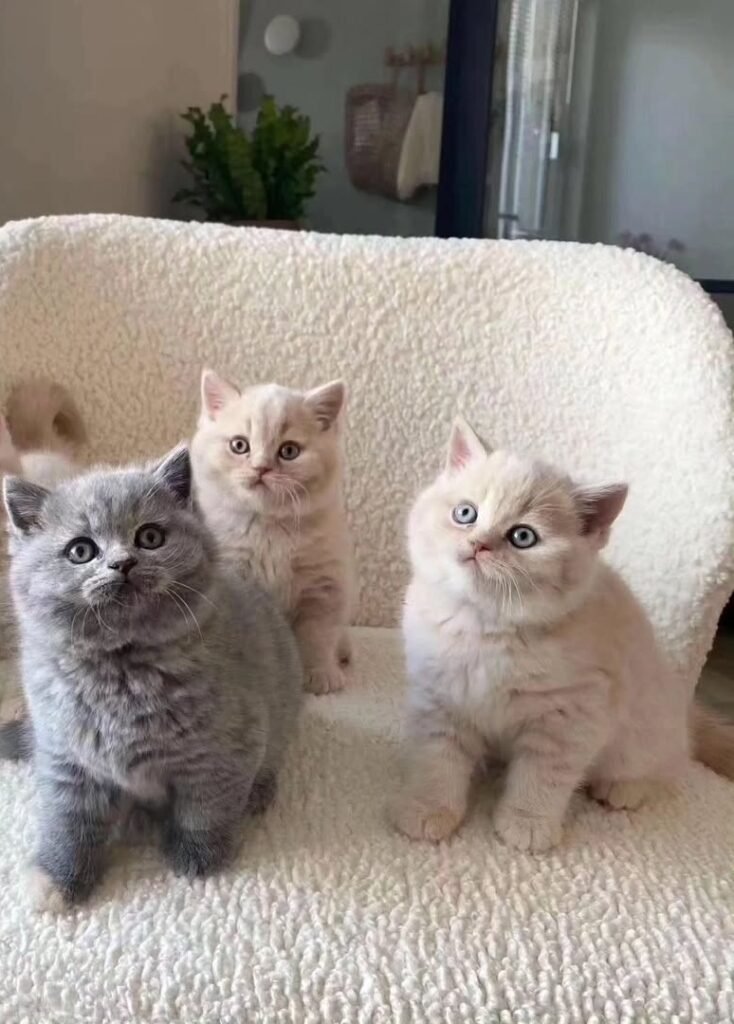
The British Shorthair is a breed renowned for its striking appearance and charming personality, making it a beloved choice among feline enthusiasts. With their plush coats, round faces, and captivating eyes, these cats embody a sense of elegance that captivates everyone they encounter. Beyond their regal looks, British Shorthairs are known for their friendly disposition and adaptability, making them ideal companions for families and individuals alike. In this article, we will explore the unique characteristics of the British Shorthair, discuss their availability for adoption, and provide essential tips for prospective owners looking to welcome one of these delightful cats into their homes.
Introduction to the British Shorthair Breed
British Shorthairs are the feline equivalent of a cozy pair of sweatpants: they’re comfy, iconic, and once you experience their charm, you’ll never want to go back. With their plush coats and round faces, they embody a kind of understated sophistication that even the fanciest of cat breeds can’t match. If you’re on the hunt for a cat that combines charm, wit, and a sprinkle of aloofness, look no further than these distinguished felines.
History and Origins
The British Shorthair has a lineage that’s as rich as a good British pudding. They can trace their roots back to the Roman era, where they roamed the streets of Britain alongside soldiers and helped keep pesky rodents at bay. Originally bred for their working abilities, they morphed into the beloved pets we adore today, thanks to their hearty constitution and snuggly demeanor. Fun fact: the British Shorthair is also famous for inspiring the Cheshire Cat in Lewis Carroll’s “Alice’s Adventures in Wonderland.” Talk about a literary legacy!
Distinctive Features
British Shorthairs are hard to miss, thanks to their stocky build and adorable chubby cheeks that seem to say, “I know I’m cute, and I’m not afraid to flaunt it.” Their plush, dense coats come in a variety of colors and patterns, but the classic “British Blue” is the superstar of the show. With round, expressive eyes that can either melt your heart or give you the side-eye, these cats are nothing if not photogenic. And let’s not forget their sturdy legs and broad chests—these kitties are built like little tanks of love!
Characteristics and Temperament
While they may look like regal aristocrats lounging in a castle, British Shorthairs have personalities that are both endearing and relaxed. They’re typically easy-going and affectionate but maintain a certain independence that keeps them from becoming overly clingy. Ideal for families or individuals looking for a companion that won’t demand constant attention, they balance affection with a healthy dose of self-sufficiency.
Physical Traits
In the world of cat fashion, British Shorthairs wear their fur like a designer coat—dense, plush, and always in style. Typically, they grow to a medium-large size, boasting muscle and substance. Their round face is accentuated by chubby cheeks, while their short, thick tails complete their charming silhouette. And did we mention their dazzlingly round eyes? These felines can be blue, copper, or gold, and they have a way of making you feel as though they’re staring right into your soul.
Behavioral Traits
When it comes to personality, British Shorthairs are the calm and collected type. They often come off as a bit aloof but are secretly just plotting their next cuddle session. They enjoy interacting with their humans but are perfectly content with their own company, making them excellent roommates. You won’t catch them climbing all over the place like some overly energetic cats; instead, they tend to have a more laid-back approach to life, preferring gentle playtime and sunbathing in their favorite spots.
Why Choose a British Shorthair?
If you’re debating whether to adopt one of these charming cats, let’s weigh the pros and pros. British Shorthairs are the kind of companions who keep things both lively and serene—a perfect mix for any household.
Family-Friendly Companions
British Shorthairs are often dubbed “the gentle giants” of the cat world, and rightly so. They are patient with children and generally get along well with other pets, making them an ideal choice for families. Their gentle demeanor means that they’re less likely to scratch or bite in frustration, which is a bonus if you have little ones who sometimes forget that cats are not toys.
Adaptability to Different Lifestyles
Whether you’re a busy professional or someone who enjoys cozy home days, British Shorthairs fit seamlessly into any lifestyle. They don’t require constant attention, so they won’t be offended if you’re busy with work or binge-watching your favorite series. Plus, their low-maintenance grooming needs mean you can spend more time playing with them and less time battling furballs.
Availability and Adoption Options
As you set your sights on bringing a British Shorthair into your life, you may wonder where you can find one of these elegant companions. Luckily, options abound!
Where to Find British Shorthairs
You can start your search at reputable breeders who prioritize health and socialization. Local shelters and breed-specific rescues often have British Shorthairs looking for forever homes, which is a fantastic way to adopt and give a deserving cat a second chance at happiness. Online adoption platforms can also connect you with available cats near you. Just be ready to fall in love!
Adoption vs. Purchasing
While purchasing a kitten from a breeder can be tempting, adopting from a shelter is a noble alternative that not only saves a life but often includes vaccinations and spaying/neutering. Plus, you’ll have the satisfaction of knowing you’ve helped a furry friend in need. Whichever route you choose, do your homework, and make sure you’re getting a healthy and well-socialized kitty. After all, the goal is to ensure that your new feline friend blends perfectly into your home—and your heart.
Care and Maintenance of British Shorthairs
Diet and Nutrition
Feeding a British Shorthair is like trying to get a toddler to eat vegetables: a bit of a challenge, but totally worth it! These chubby little furballs require a balanced diet rich in high-quality protein to maintain their thick muscles and impressive stature. A mix of dry kibble and wet food will keep them happy and hydrated. Just watch the treats; our chunky buddies can easily become couch potatoes if we’re not careful. Aim for a calorie count that suits their age, activity level, and “pasta lover” tendencies!
Grooming Needs
British Shorthairs, with their plush coats that practically scream, “Cuddle me!” still require regular grooming to avoid any unsightly fur balls—or worse, a fur-tastrophe! Thankfully, their short, dense fur means less grooming time for you. A weekly brush will suffice to remove loose hairs and keep their coat shining like a diamond. While they don’t need frequent baths, a bath once in a while won’t hurt if they’ve taken a dive into something they shouldn’t have.
Common Health Issues
Genetic Predispositions
Like a fine wine, British Shorthairs come with their quirks, and unfortunately, some of those are health-related. They can be prone to certain genetic conditions, such as hypertrophic cardiomyopathy (HCM)—basically a fancy term for heart issues. Regular check-ups with the vet can help catch these sneaky health problems before they become serious. It’s a good idea to ask your breeder for health screenings of the parents, so you can feel good about your feline friend’s future.
Regular Health Checkups
Speaking of vets, regular health checkups are essential for keeping your British Shorthair in tip-top shape. Schedule annual visits to monitor weight, dental health, and any early signs of genetic conditions. Preventative care is the name of the game, and keeping their vaccinations up-to-date is just one of the ways to keep those whiskers twitching and tails swishing. Plus, your cat will appreciate the extra treats during those trips—even if they don’t admit it!
Tips for New Owners
Creating a Safe Environment
Your British Shorthair deserves a home as regal as they are! Start by creating a safe environment free from potential hazards. Secure any dangling cords, toxic plants, or precious heirlooms that might accidentally become chew toys. Cat-proofing your space ensures your furry friend can roam freely without turning into a mini tornado of chaos. A cozy cat tree by the window is a must for observing the great outdoors; those birds won’t watch themselves!
Socialization and Training
Socializing your British Shorthair is just as important as teaching them to properly use their litter box (trust me, you want this!). Introduce them to new people and environments gradually to avoid overwhelming their dignified sensibilities. Clicker training or gentle encouragement with treats can help teach them some basic commands and tricks. Remember, their natural curiosity and playful demeanor can be your best allies in turning your home into a laughter-filled feline playground.
Conclusion: Bringing Home a British Shorthair
Final Thoughts on Adoption
Adopting a British Shorthair means welcoming a bundle of purrs, personality, and portly charm into your life. They’re affectionate, regal, and just the right amount of goofy, making them the perfect companion for a cozy night on the couch or a delightful game of chase with their favorite toy. So, whether you’re a new owner or a seasoned cat whisperer, these furry aristocrats will add a touch of elegance—and a lot of fluff—to your home!
Resources for New Owners
For all you fabulous new owners out there, there’s a plethora of resources to help you navigate this new chapter. Check out local shelters for adoption events, reputable breeders with health guarantees, and online forums for tips from fellow British Shorthair lovers. Books about cat care can also provide valuable insights, and don’t hesitate to contact your vet for advice tailored to your new royal companion’s needs. Now go forth and enjoy your life with the most fabulous felines around!In conclusion, the British Shorthair is more than just a beautiful breed; it is a wonderful companion that can bring joy and warmth to any household. With their easygoing nature and striking looks, these cats are sure to become cherished members of your family. If you’re considering adding a British Shorthair to your home, remember to do your research and provide the love and care they deserve. With the right commitment, you’ll find that this charming breed will fill your life with happiness and companionship for years to come.
Frequently Asked Questions
1. What is the average lifespan of a British Shorthair?
The average lifespan of a British Shorthair is typically between 12 to 20 years, depending on their health and care.
2. Do British Shorthairs require a lot of grooming?
British Shorthairs have a dense coat that requires regular brushing, but they are relatively low-maintenance compared to long-haired breeds.
3. Are British Shorthairs suitable for families with children?
Yes, British Shorthairs are known for their gentle and friendly temperament, making them great companions for families with children.
4. How much exercise do British Shorthairs need?
British Shorthairs enjoy playtime and light exercise, but they are generally less energetic than some other breeds. Providing them with toys and interactive play sessions is sufficient to keep them engaged.