
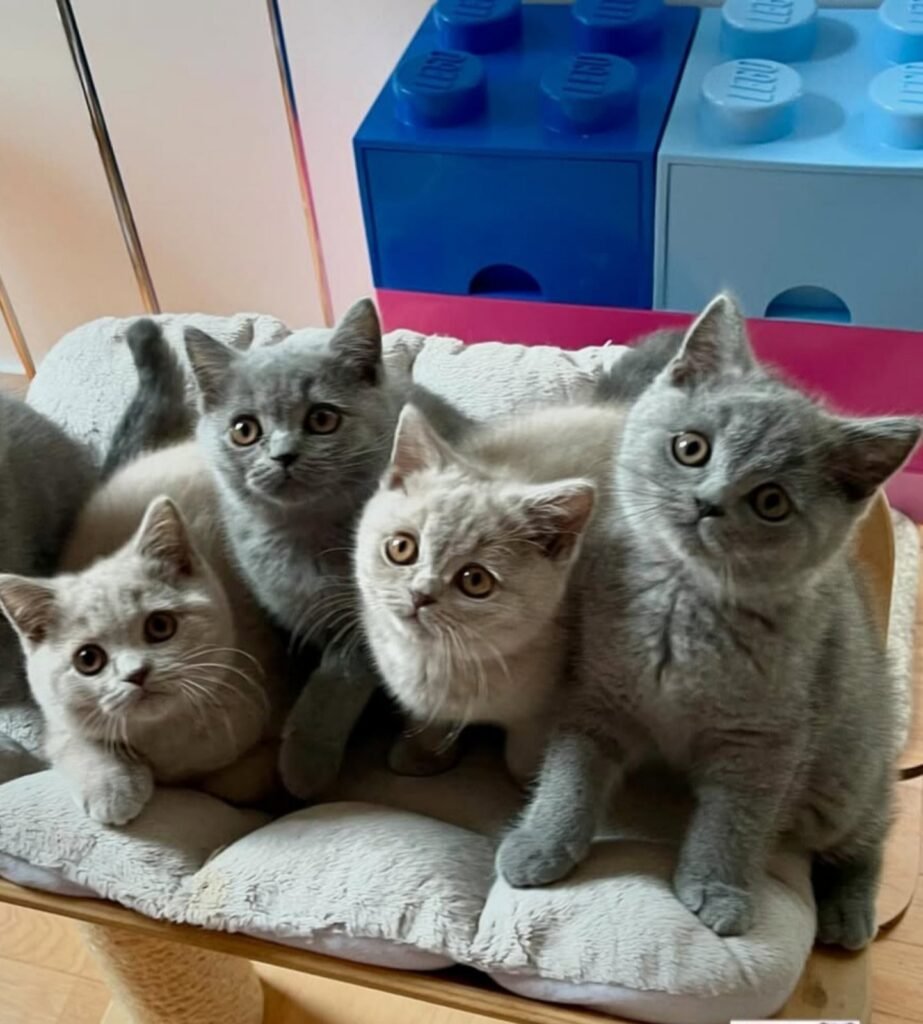
British Shorthair cats have captured the hearts of pet lovers around the globe with their distinctive appearance and charming personalities. Known for their robust build, round faces, and plush coats, these felines exude an air of elegance and charm. Beyond their striking looks, British Shorthairs are celebrated for their playful yet calm demeanor, making them ideal companions for families and individuals alike. Whether you’re a seasoned cat owner or considering your first pet, exploring the enchanting world of British Shorthairs can lead you to a delightful addition to your home. In this article, we will delve into the unique characteristics, health considerations, and tips for finding the perfect British Shorthair for sale, ensuring you are well-informed as you embark on this rewarding journey.
Introduction to British Shorthair Cats
British Shorthair cats have a way of sauntering into your heart, just like they saunter across your living room floor—graceful yet infinitely charming. With their round faces and plush coats, these feline companions have become a beloved breed worldwide.
A Brief History of the Breed
The British Shorthair’s lineage can be traced back to ancient Rome, where it was likely used to keep the rodent population in check (thank you, little warriors!). Over the years, they gained popularity in Britain and became famous for their sturdy builds and calm demeanor. After a brief flirtation with extinction (thanks, World War II), dedicated breeders revived the breed, and now they prance about as one of the most adored cats in the world.
Why They Are Popular Pets
Why is everyone falling head over heels for British Shorthairs? It’s a cocktail of adorable looks, a loyal personality, and the ability to make you feel like the most special human in the room. They’re known for their easy-going nature, making them great companions for families and single folks alike. Plus, they don’t require constant attention—perfect for the busy person who still wants a furry friend!
Unique Characteristics and Traits
British Shorthairs are as unique as your favorite socks: there’s just something about them!
Physical Appearance
These cats sport a plush, dense coat that feels like hugging a cloud—if clouds were round and snuggly. Their round faces and chubby cheeks are the stuff of Instagram dreams. With big, expressive eyes, they can give you that “feed me” look with just the right hint of vulnerability, making it hard to resist giving them a treat (or three).
Temperament and Behavior
British Shorthairs are the definition of chill. They tend to be laid-back yet playful, balancing their “I’m too cool for school” demeanor with bouts of energy that’ll surprise you. They’re affectionate but not overly demanding, which means they’re the happy medium of feline companionship—like the buddy who’s always down for a movie but also respects your personal space.
The Allure of Their Playful Personalities
Let’s not forget their charm goes beyond just looks; their personalities are the cherry on top!
Social Interaction with Humans
British Shorthairs are known for their loyalty and affection towards their humans. They may not be lap cats 24/7, but they’ll still follow you from room to room, just making sure you’re not getting into too much trouble. Their playful antics and occasional head bumps will make you feel like you’re the most important person in their world.
Playfulness and Activity Levels
While they enjoy their lazy lounging, British Shorthairs have a playful streak that keeps things interesting. They appreciate interactive playtime, whether it’s chasing a feather toy or engaging in a mock battle with a crumpled-up piece of paper. Just be prepared to have a few moments of sheer hilarity as they plot their next great adventure!
Health and Care Considerations
As with any pet, the health of your British Shorthair is key to their long and happy life.
Common Health Issues
British Shorthairs are generally healthy, but they can be prone to certain conditions like hypertrophic cardiomyopathy (a fancy term for heart issues) and joint problems. Regular check-ups with the vet and a watchful eye on their weight can help manage these concerns. Basically, keep them healthy, and they’ll keep you entertained!
Grooming and Maintenance Needs
Their thick, plush coats require some love, but don’t worry—you won’t need a full-time groomer. A weekly brushing is usually sufficient to keep their coat looking pristine and to minimize those pesky hairballs. They’re pretty good at self-grooming, but a little help from you goes a long way in maintaining their majestic fluffiness!
Popular Color Variations and Patterns
Classic Blue and Other Color Variants
When it comes to British Shorthairs, the “Classic Blue” is the rockstar of the color world. Think of it as the cool cat in retro jeans—effortlessly stylish and always turning heads. But don’t let its popularity fool you; these felines come in a delightful palette! You can find them in shades like cream, chocolate, lilac, and even black. There’s also a sprinkling of colorpoint variations for those who fancy a more unique look. Whether you’re a fan of the traditional or the trendy, there’s a British Shorthair out there to match your vibe!
Understanding Marbled and Tabby Patterns
If the solid colors are the classic hits, then marbled and tabby patterns are the catchy remixes! Marbled British Shorthairs sport a striking swirl of colors that makes them look like a living piece of art. Meanwhile, the tabby pattern offers a delightful mix of stripes, spots, and swirls—perfect for the feline fashionista. Both patterns showcase the breed’s charm in a fun and eye-catching way, ensuring your furry companion is a standout star on your Instagram feed.
Tips for Choosing the Right British Shorthair
Identifying Reputable Breeders
Choosing a British Shorthair is a bit like dating: you want to pick someone with a solid background! Look for breeders who are reputable—those who have registered their cats with recognized cat associations and can provide health clearances. A good breeder will happily answer your questions about their cats, share their breeding practices, and will even welcome you to meet the kittens and their parents. Remember, it’s a relationship built on trust, so do your homework!
Assessing Temperament and Health
A British Shorthair isn’t just a pretty face; personality matters! These cats are known for their calm, friendly demeanor, making them perfect companions. When you meet a potential furball, look for signs of playfulness and curiosity. And just as you wouldn’t buy a car without checking under the hood, don’t forget to assess health! Ask about vaccinations, any past medical issues, and get a feel for their general health. A happy, healthy kitty is the best kind of kitty!
Where to Find British Shorthair Cats for Sale
Online Resources and Classifieds
The internet is a treasure trove for finding your new furry friend! Websites dedicated to pet adoption and breeders often have listings for British Shorthair cats. Even social media can be a goldmine—follow breeders and rescue organizations for announcements. Just keep your eyes peeled for scams and do a bit of research before falling in love with that adorable fluffy face in a photo.
Visiting Shelters and Rescue Organizations
While you might picture British Shorthairs lounging in posh breeder homes, don’t overlook shelters and rescue organizations. Cats in these places are often looking for a loving forever home, and you might just stumble upon a hidden gem. So grab your favorite catnip toy, don your best “I’m ready to adopt” smile, and head to your local shelter—you never know who you might meet!
Conclusion: The Joy of Owning a British Shorthair
Final Thoughts on the Breed
Owning a British Shorthair is like having a living, breathing teddy bear that often thinks it’s royalty. With their calm disposition, affectionate nature, and stunning appearance, these cats can bring so much joy and laughter to your life. They’re not just companions; they’re family members who will snuggle with you through every Netflix binge and side-eye you during your afternoon naps.
Encouragement for Potential Owners
So, if you’re considering welcoming a British Shorthair into your home, go for it! Embrace the fur, love the quirks, and prepare for endless cuddles. Just remember to do your research, be patient, and most importantly, enjoy the delightful journey of feline companionship. Your future British Shorthair will be more than just a pet; they’ll be a charming, fluffy companion who makes every day feel like a cuddle-filled celebration!In conclusion, British Shorthair cats offer a unique blend of charm, companionship, and low-maintenance care that makes them a fantastic choice for any cat lover. With their striking appearance and delightful personalities, these felines can bring joy and warmth to your home. Whether you’re considering adopting one or simply fascinated by the breed, understanding their needs and characteristics can enhance your experience with these wonderful pets. Embrace the charismatic charm of British Shorthairs and enjoy the countless moments of happiness they can bring into your life.
Frequently Asked Questions
What is the average lifespan of a British Shorthair cat?
The average lifespan of a British Shorthair cat is typically between 12 to 20 years, depending on various factors such as genetics, health care, and environment.
Are British Shorthair cats suitable for families with children?
Yes, British Shorthair cats are generally known for their gentle and friendly nature, making them great companions for families with children. They typically tolerate handling and play well with kids.
How much grooming do British Shorthair cats require?
British Shorthair cats have a dense coat that requires regular grooming, ideally once a week, to reduce shedding and prevent matting. During seasonal changes, more frequent brushing may be needed.
Do British Shorthair cats have any specific health concerns?
While British Shorthairs are generally healthy, they can be prone to certain conditions, such as obesity and hypertrophic cardiomyopathy (a heart condition). Regular vet check-ups and a balanced diet are essential for their health.