
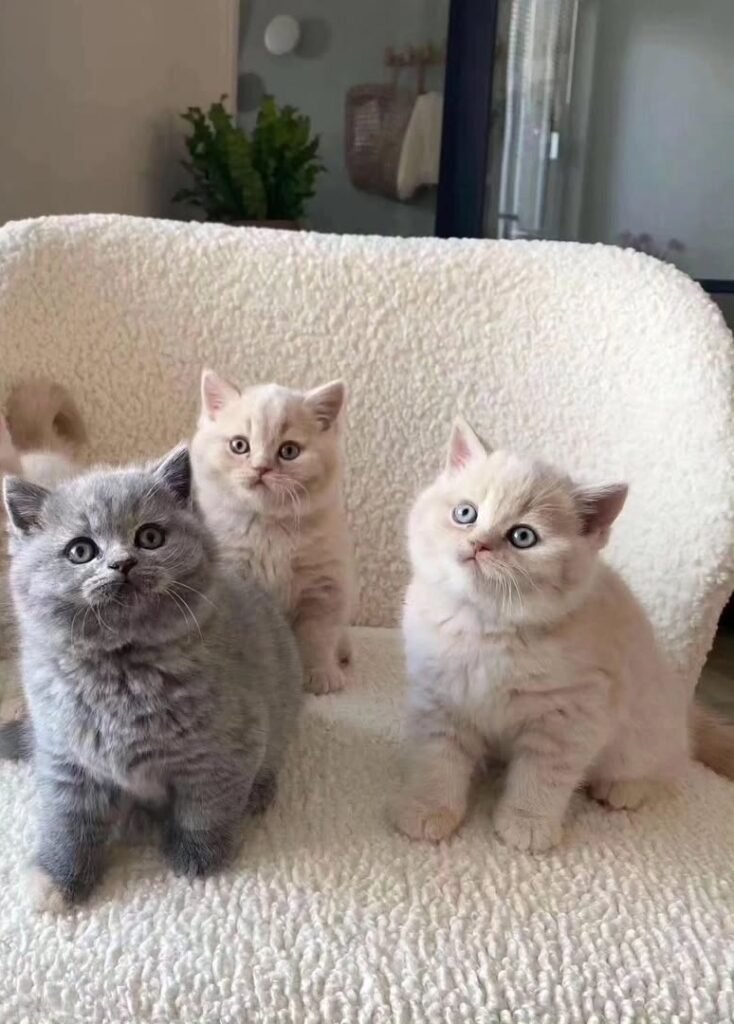
When considering bringing a British Shorthair into your home, understanding the associated costs is crucial for potential cat owners. Known for their plush coats, round faces, and affectionate personalities, British Shorthairs are among the most sought-after cat breeds. However, the price of acquiring one can vary significantly based on several factors, including lineage, location, and breeder reputation. This article aims to provide a comprehensive overview of what you can expect in terms of pricing, additional financial commitments, and the advantages of adopting versus purchasing, ensuring that you are well-informed before making this important decision.
Understanding the British Shorthair Breed
History and Origins
The British Shorthair has a rich history that dates back to ancient Rome, where they were likely used for pest control. These chubby little furballs made their way to British shores, evolving into the charming cats we know today. They became official after the first cat show in 1871, where they strutted their stuff and captivated the hearts of many. If you’ve ever wondered if your kitty has royal lineage, there’s a chance!
Physical Characteristics
With their round faces, dense coats, and robust bodies, British Shorthairs are the quintessential “purr-ty” package. Their eyes can be copper, blue, or gold, depending on the color of their coat, and let’s just say they have mastered the art of giving you the “please feed me” stare. Plus, their plush fur feels like a hug you can’t shake off – perfect for those Netflix binge-watching sessions.
Temperament and Personality Traits
British Shorthairs are known for their laid-back demeanor. They’re as easygoing as your favorite couch potato but still possess a playful side that sneaks out when you least expect it. They are loyal, affectionate, and generally get along with everyone – from kids to other pets. Think of them as the chill friends who love to hang out but also appreciate their “me-time” on your lap.
Factors Influencing British Shorthair Prices
Lineage and Pedigree
When it comes to pricing, lineage matters! Cats from champion bloodlines or those with pedigree certificates often come with a higher price tag. Think of it as buying a designer handbag – you’re not just paying for the bag, you’re paying for the name! If your kitty is destined for the show ring, be prepared to shell out some extra cash.
Age of the Cat
Age plays a huge role in pricing, like how a fine wine gets better (and pricier) with age. Kittens, being the adorable fluff balls they are, tend to be more expensive than older cats. Everyone wants to cuddle a kitten, but don’t underestimate the charm of an older cat who’s already a pro at being fabulous.
Color and Coat Patterns
The color and pattern of your British Shorthair can influence the price, too. Classic blue is the most common and sometimes the most affordable, while rarer colors like lilac or chocolate can make your wallet feel a little lighter. If you’re after a unique look that turns heads, be prepared to pay a premium for that purr-fect coat.
Average Cost of British Shorthairs: A Breakdown
Price Ranges by Region
Prices for British Shorthairs can vary significantly across the globe, like the difference between a London café and a roadside diner. In the UK, prices typically range from £800 to £2,000, while in the USA, you can expect to pay anywhere from $1,000 to $2,500. So, if you were considering a cross-continental adoption mission, maybe stick to local breeders!
Comparative Pricing: Purebred vs. Mixed Breeds
If you’re comparing purebred British Shorthairs to mixed breeds, expect a noticeable difference in pricing. Purebreds often come with a higher price tag due to their pedigree, while mixed breeds generally cost less. But remember: while a mixed breed may save you some cash, it might not provide the same purr-sonality traits you’ve come to love about British Shorthairs.
Market Trends and Fluctuations
The market for British Shorthairs can fluctuate like a stock market ticker. Factors including breed popularity and breeder availability can affect prices. During times of high demand (think during a pandemic when everyone suddenly wants a fur companion), prices can skyrocket. So, keep an eye on market trends if you’re looking to snag your furry friend at the best price!
Reputable Breeders vs. Pet Stores
Identifying a Responsible Breeder
A responsible breeder is your best bet for finding a healthy British Shorthair. Look for breeders who prioritize health testing, provide a clean and loving environment, and are willing to answer all your questions (even the “What’s your cat’s zodiac sign?”). They should also let you meet the kitten’s parents – it’s like a first date, just with more fur.
Pros and Cons of Buying from Pet Stores
Pet stores can be tempting, with their sparkling aisles and adorable kittens beckoning you. However, many don’t prioritize breeding ethics and may source their cats from less-than-stellar environments. The upside? You might find a cuddly furball ready to go home with you that day, but be cautious – you’ll want to do your research to avoid supporting a less reputable source.
Importance of Health Guarantees
When investing in a furry companion, health guarantees are crucial. They provide assurance that your new best friend comes from a good lineage and is free from genetic conditions. A good breeder will be transparent about health records and will often offer a written guarantee. After all, you wouldn’t buy a used car without checking under the hood first, right?
Additional Costs Beyond Purchase Price
Initial Setup Costs (Food, Litter, Toys)
Once you’ve snagged your British Shorthair, get ready for the initial setup like a cat-flipping interior designer. Food bowls, litter boxes, scratching posts, and a few toys (because they need to stay entertained while plotting to take over your couch) can set you back anywhere from $100 to $300. Don’t forget to get a cozy bed—your cat deserves the best, naturally!
Routine Veterinary Care
Your British Shorthair’s health should be a top priority, which means routine vet visits are in your future. Expect to spend around $200 to $300 a year for regular check-ups, vaccinations, and preventative care. Just think of it as an investment in keeping your furry friend happy and healthy—and keeping your couch intact.
Unexpected Expenses (Emergencies and Insurance)
Life is unpredictable, and so are cats. Emergencies—like that time your British Shorthair decided to chase a laser pointer into a wall—can lead to unexpected vet bills that range from $500 to thousands, depending on the situation. Pet insurance is worth considering; just make sure you read the fine print. It’s like a safety net, but not quite as cozy as a cat in a sunbeam.
Tips for Budgeting When Buying a British Shorthair
Creating a Comprehensive Budget
Before you bring home your furry bundle of joy, draft a thorough budget that includes all the costs we mentioned (and maybe a few snacks for yourself). Consider food, litter, grooming supplies, and toys. With a little foresight, your wallet won’t be gasping for air or calling for help when your cat decides it’s time for a new scratcher.
Setting Aside Emergency Funds
Stash away a little cash for a cat emergency fund. Aim for at least $500 to $1,000 to cover unexpected trips to the vet or the occasional, um, “cat-tastrophe.” This way, when your Shorthair somersaults off the bookshelf (it’s bound to happen), you’ll be prepared, and your heart rate won’t spike along with your vet bill.
Long-term Financial Commitment
Remember that adopting a British Shorthair is a long-term relationship—like a marriage, but with more purring and less conflict over the remote. Budget for the lifetime costs, which can total anywhere from $10,000 to $20,000. So, if you’re thinking of investing in a furry friend, ensure you’re ready for that commitment (and a whole lot of fluffy cuddles).
Health Considerations and Their Impact on Pricing
Common Health Issues in British Shorthairs
British Shorthairs are generally sturdy, but they can face some health issues like hypertrophic cardiomyopathy (HCM) and obesity. These conditions can lead to higher medical costs, so it’s important to stay informed and keep your cat fit and trim. Healthy kitties mean fewer trips to the vet and more time lounging in sunny spots.
Importance of Vaccinations and Regular Check-ups
To keep your kitty feeling spunky, regular vaccinations are essential. These can range from $80 to $150 annually, depending on your vet and your cat’s health needs. Consistent check-ups help catch health issues early on, saving you from potentially hefty vet bills later. A healthy cat is a happy cat (and isn’t that the ultimate goal?).
Genetic Testing and Its Cost Implications
Genetic testing can reveal predisposed health issues and provide peace of mind, but it does come with a price tag—typically around $100 to $300. If your breeder conducts health screenings and offers genetic testing upfront, consider it a bonus! Less time worrying means more time for snuggles and playtime with your fluffy companion.
The Value of Adoption vs. Purchasing
Understanding Adoption Fees
Adoption fees for cats can vary but generally range from $75 to $200. While this may sound like a lot, consider it a small price to pay for a loving companion who’s already had a rough start in life. Plus, many shelters include vaccinations, spaying/neutering, and microchipping in the fee. Win-win!
Benefits of Adopting a British Shorthair
Adopting a British Shorthair not only saves money but also gives a furry friend a second chance. You’ll often find that they are just as loving and quirky as any purebred cat. Plus, adopting helps combat overpopulation in shelters, so it’s an environmentally friendly choice wrapped in fur.
Finding Reputable Rescue Organizations
When considering adoption, look for reputable rescue organizations or shelters specializing in British Shorthairs. Research their online reviews, visit their facilities, and ask about their adoption processes. And who knows? You might just find a plaid-loving, chubby-cheeked companion ready to fill your home with snuggles and laughter!In conclusion, bringing a British Shorthair into your life is a rewarding experience that requires careful financial consideration. By understanding the various factors that influence pricing and exploring options between reputable breeders and rescue organizations, you can make a well-informed decision that aligns with your budget and lifestyle. Whether you choose to adopt or purchase, the joy and companionship a British Shorthair offers are well worth the investment.
Frequently Asked Questions
1. What is the average price range for a British Shorthair?
The average price for a British Shorthair typically ranges from $1,000 to $2,000, depending on factors such as pedigree, breeder reputation, and color.
2. Are there ongoing costs associated with owning a British Shorthair?
Yes, ongoing costs include food, litter, routine veterinary care, and other necessities such as toys and grooming products, which can add up to several hundred dollars annually.
3. Is it better to adopt a British Shorthair or buy from a breeder?
Both options have their pros and cons. Adopting from a rescue may be more affordable and helps provide a home to a cat in need, while purchasing from a reputable breeder often ensures a healthy pedigree.
4. Do British Shorthairs have specific health issues I should be aware of?
Yes, British Shorthairs can be predisposed to certain health issues, including hypertrophic cardiomyopathy (HCM) and obesity, making regular veterinary check-ups essential for their well-being.