
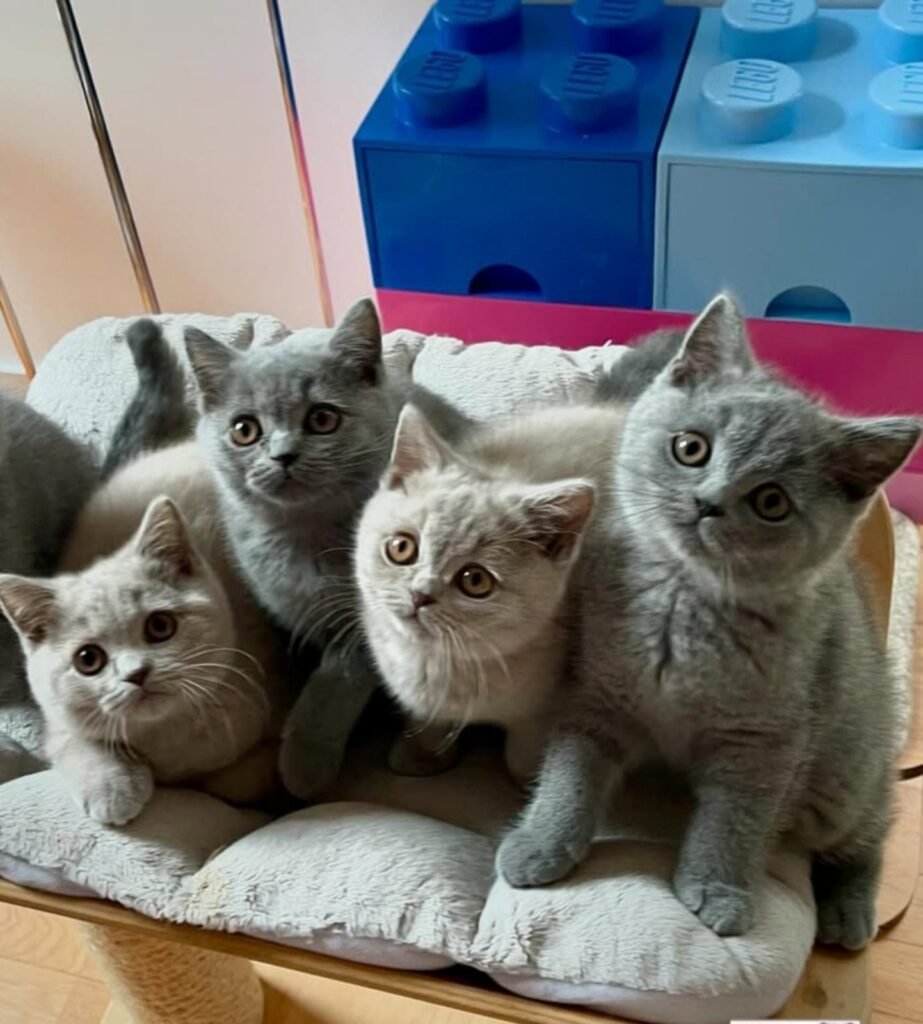
British Shorthair cats are a beloved breed known for their distinctive appearance and charming personalities. With their round faces, plush coats, and robust bodies, these felines have captured the hearts of cat enthusiasts around the world. Originating from Britain, the British Shorthair boasts a rich history and has been featured in various cultural references, symbolizing British culture itself. This article will delve into the unique traits of British Shorthair cats, exploring their physical characteristics, temperament, health considerations, grooming needs, and much more, providing a comprehensive guide for both current and prospective owners.
Overview of the British Shorthair Breed
Origin and Development
The British Shorthair is like the royal family of cats—statuesque and dignified, with a history that dates back to ancient Rome. These cats were initially bred for their hunting prowess, helping to keep vermin at bay in the dark corners of homes and barns. Over the centuries, they’ve evolved into the plush, stocky companions we adore today. With a lineage that marries practicality with elegance, they truly embody the essence of British charm.
Recognition and Breed Standards
British Shorthairs have made quite the name for themselves in the cat show world. Their admirers are numerous, and governing bodies like The International Cat Association (TICA) and the Cat Fanciers’ Association (CFA) stand behind them like proud parents at a graduation. The breed standards typically highlight their round faces, dense coats, and sturdy bodies, ensuring these felines are not only loved but also celebrate their unique features amidst the competitive cat show backdrop.
Distinctive Physical Characteristics
Body Structure and Size
These cats are built like little tanks—short, stocky, and surprisingly muscular. With a wide chest, thick neck, and sturdy legs, the British Shorthair carries themselves with an air of confidence. They typically weigh between 9 to 18 pounds, depending on gender and genetics. While they might not win any agility contests, their solid build and robust stature are undeniably adorable.
Coat Colors and Patterns
The British Shorthair’s coat is a feast for the eyes, presenting a dazzling array of colors and patterns. While the classic blue-gray is the poster child for the breed, you can find them rocking everything from cream to chocolate, and even those snazzy tabby stripes. Their short, plush coat feels like stroking a cloud—if clouds were cuddly and had fur. Variety is the spice of life, and British Shorthairs come in more shades than a box of crayons!
Facial Features
If their bodies are tanks, their faces are the tank commanders—round, full cheeks, and large, expressive eyes that give them a perpetually surprised look. Those chubby cheeks and broad, flat noses create a unique silhouette that’s hard to resist. With expressions that range from aloofness to utter disdain (when food is late), their faces convey a personality all their own. It’s like they’re constantly pondering the mysteries of life—or plotting their next nap!
Temperament and Personality Traits
General Behavior and Attitude
British Shorthairs are the definition of laid-back elegance. They’re not the type to sprint around the house at 2 AM; rather, they prefer to lounge like royalty, observing their domain with mild curiosity. Generally calm and easygoing, they can be perfectly content in a sunbeam or perched atop their favorite chair, contemplating life. But don’t mistake their serenity for boredom; they have a delightful streak of sass and independence that keeps things interesting.
Socialization with Humans and Other Pets
When it comes to socializing, British Shorthairs are polite introverts. They enjoy companionship but won’t hound you for attention like a needy puppy. They’re friendly and affectionate, allowing for plenty of petting sessions, but they also cherish their alone time. If you have other pets, they tend to coexist peacefully, offering a dignified air that says, “I’m too fabulous for drama.”
Playfulness and Activity Level
While they may be champions of relaxation, British Shorthairs have a playful side that emerges—usually during playtime! They love a good game of chase or pouncing on feather toys, but they prefer activities that don’t require them to break a sweat. Think of them as the “weekend warriors” of the cat world: they’ll keep it cool but throw in some fun every now and then, especially if there’s food involved!
Health Considerations for British Shorthairs
Common Health Issues
Like most breeds, British Shorthairs come with a few health quirks. They can be prone to certain genetic issues, including hypertrophic cardiomyopathy (a fancy name for heart problems) and obesity—given their love for food. Regular vet visits can help keep these health concerns in check and ensure your regal feline remains fit and healthy, ready to reign over your household.
Preventative Care and Regular Check-ups
Prevention is the name of the game! Regular check-ups with the vet are crucial to keeping your British Shorthair in tip-top shape. A balanced diet, regular exercise, and dental care can help curb potential health issues before they become a concern. Think of it as keeping your feline companion on a royal health regimen, ensuring they shine like the diamonds of the household they are!
Grooming and Care Requirements
Coat Maintenance
British Shorthair cats boast a plush, dense coat that feels as luxurious as it looks. To keep their fur looking fine and dandy, a weekly brushing session is ideal. This helps remove loose hair and reduces shedding—because nobody wants to find cat fur in their lasagna! During shedding season, you might want to up the ante and brush them a bit more frequently. Baths aren’t usually necessary, but if your kitty decides to roll in something unspeakable, a little sudsy rescue may be in order.
Nutritional Needs
When it comes to fueling their adorably chunky bodies, British Shorthairs need a diet that’s as balanced as their personalities. High-quality cat food that’s rich in protein is essential for maintaining their lovely coats and overall health. Watch out for overindulgence, though! These chubby-cheeked felines have a tendency to pack on the pounds if allowed to snack freely. A measured diet along with fresh water will keep your furry friend fit and fabulous.
Exercise Requirements
While British Shorthairs are known for their relaxed demeanor, they still need their fair share of playtime to stay sprightly. A few interactive toys, such as feather wands or laser pointers, can stimulate their hunting instincts and keep them entertained. Aim for about 15 to 30 minutes of playtime each day, and your kitty will be happier, healthier, and ready to nap without remorse afterward.
Historical Background and Origin
Ancient Roots and Evolution
British Shorthairs trace their lineage back to the Roman times when they were brought to Britain to control pests. Think of them as the original cat-guards—fierce yet cuddly! Over the years, they evolved to adapt to the British climate, which helped shape their signature stocky build and thick coat. Their blend of resilience and good looks earned them a loyal following throughout the ages, laying the foundation for the charming companions we adore today.
Influence of British Culture
These cats aren’t just pets; they’re icons! With their round faces and sturdy bodies, British Shorthairs have become a staple in British culture. They’ve appeared in literature, art, and even the beloved “Cheshire Cat” from “Alice in Wonderland.” Representing comfort and coziness, they embody the quintessential British notion of a warm home filled with tea and biscuits. It’s no wonder they’re such a beloved companion in British households.
Popularity and Cultural Significance
Famous British Shorthairs in Media
British Shorthairs have strutted their stuff on the big screen, charming audiences everywhere. You may remember the iconic blue-hued cat in the movie “Harry Potter,” or perhaps you’ve seen one perched regally in a viral internet meme. Their distinctive looks and laid-back attitude have made them a favorite in pop culture, solidifying their status as the ultimate feline stars.
Increasing Popularity in Pet Ownership
In recent years, British Shorthairs have skyrocketed in popularity among pet owners. Their affectionate yet independent nature makes them suitable for families and singletons alike. Social media has played a role in this trend too, with countless Instagram accounts dedicated to showcasing their plump paws and striking eyes. If you’re considering adopting one, be prepared to join the ranks of the cat-obsessed, because these fluff balls are hard to resist!
Tips for Prospective Owners
Choosing a Reputable Breeder
When it comes to finding your future feline friend, navigating the breeder landscape can feel like a treacherous journey. Look for breeders who prioritize health and socialization, and don’t be shy about asking questions. A good breeder should provide health clearances and be open about their breeding practices. Remember, a well-bred kitty is a happy kitty!
Preparing Your Home for a British Shorthair
Before welcoming your new furry roommate, make sure your home is ready for the royal treatment. Set up a cozy space with a soft bed, scratching post, and plenty of toys. Don’t forget food and water bowls! Cat-proofing is also essential—keep hazardous items out of paw’s reach. Remember, a comfortable environment is key to helping your British Shorthair settle in smoothly.
Long-term Commitment and Lifestyle Considerations
Owning a British Shorthair is a marathon, not a sprint. They can live up to 15 years or more, which means you’re in for the long haul. Consider your lifestyle and how much time you can dedicate to caring for your cat. If you’re often away from home, think about getting a buddy for your British Shorthair to keep them company. Ultimately, adopting one of these lovable felines means you’re gaining a loyal companion for years to come!In conclusion, British Shorthair cats are not only visually stunning but also possess a delightful temperament that makes them wonderful companions. Understanding their unique traits, from their physical characteristics to their care requirements, is essential for anyone considering adding one of these charming felines to their family. With the right knowledge and preparation, you can ensure a fulfilling and harmonious relationship with your British Shorthair, enjoying all the joy they bring into your home.
Frequently Asked Questions
What is the average lifespan of a British Shorthair cat?
The average lifespan of a British Shorthair cat typically ranges from 12 to 20 years, depending on their health, diet, and living conditions.
Do British Shorthairs require a lot of grooming?
British Shorthairs have a dense coat that requires regular brushing to minimize shedding and prevent matting, but they are generally low-maintenance compared to long-haired breeds.
Are British Shorthairs good with children and other pets?
Yes, British Shorthairs are known for their gentle and sociable nature, making them well-suited for families with children and other pets.
What are common health issues in British Shorthair cats?
Common health concerns for British Shorthairs include obesity, heart disease (such as hypertrophic cardiomyopathy), and certain genetic conditions. Regular veterinary check-ups can help monitor and maintain their health.