
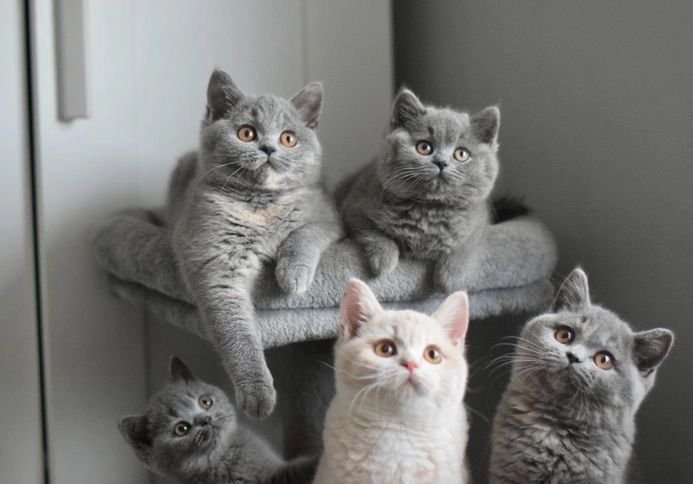
Bringing a British Shorthair into your home can be a rewarding experience, as these charming cats are known for their striking appearance and affectionate nature. However, purchasing or adopting a British Shorthair in the U.S. requires careful consideration and research to ensure you find a healthy, well-bred pet that fits your lifestyle. From understanding the breed’s characteristics to selecting reputable breeders or shelters, there are several key factors to keep in mind. This article provides essential tips and guidance to help you navigate the process of finding and welcoming a British Shorthair into your family.
Understanding the British Shorthair Breed
History and Origin
The British Shorthair has a pretty illustrious history that dates back centuries, making it one of the oldest cat breeds in the world. Originally bred as a working cat to chase mice and other vermin, these fluffy companions made their debut as a distinct breed in the late 19th century. They even had a starring role in the first cat show in 1871! With a lineage that likely includes Roman cats, they’ve seen many a royal and noble home, embodying a charming mix of domesticity and detective prowess.
Physical Characteristics
With their round faces, chubby cheeks, and muscular bodies, British Shorthairs are like living teddy bears! They typically sport dense, plush coats that come in an array of colors and patterns, but the classic blue-gray is a fan favorite. Their big, round eyes can be copper, gold, or even blue, depending on their fur color. These stocky felines have strong legs, and while they may not win any races, they sure know how to stretch into your heart.
Temperament and Personality Traits
British Shorthairs are often described as easygoing and affectionate, but they maintain a dignified air—think of them as the aristocrats of the cat world. They tend to be calm and independent, enjoying their alone time but also loving companionship. Expect your British Shorthair to greet you with a gentle purr and a side-eye that says, “Yes, I am fabulous.” They are generally good with kids and other pets, making them great family members or solo cuddle buddies.
Finding Reputable Breeders
Researching Breeder Credentials
The cat world is full of colorful characters, but when it comes to finding a British Shorthair to call your own, you want a reputable breeder. Start by checking if they are certified by recognized cat fancy organizations like The International Cat Association (TICA) or the Cat Fanciers’ Association (CFA). A good breeder will usually have a solid background in selective breeding and can provide references or reviews from happy customers who don’t mind sharing tales of their fluffballs.
Questions to Ask Potential Breeders
Once you’ve narrowed down your list of potential breeders, it’s time to channel your inner journalist. Ask questions like: “Can I see the kitten’s parents?” “What health screenings do you perform?” and “How do you socialize your kittens?” A trustworthy breeder will be just as interested in finding the right home for their cats as you are in finding the right cat for your home. If they dodge your questions or seem evasive, it’s a red flag larger than your cat’s ego after a successful leap onto your lap.
Visiting the Cattery
If possible, plan a visit to the cattery! This is where you’ll get to see the living conditions of the kittens and their parents. Look for a clean, welcoming environment where the cats are well cared for and socialized. Pay attention to how the cats interact with the breeder—do they seem happy and comfortable? If you get the chance to hold a kitten, take it! Just remember to wash your hands afterward—no one wants to smell like a catnip toy.
Evaluating Health and Genetic Testing
Common Health Issues in British Shorthairs
Like all breeds, British Shorthairs come with their health quirks. You might find they have a predilection for certain genetic conditions, including hypertrophic cardiomyopathy (a fancy term for heart disease), obesity (because, let’s face it, they love to snack), and hip dysplasia. Regular veterinary check-ups and a healthy diet can help keep your future feline friend in tip-top shape.
Importance of Genetic Testing
Genetic testing isn’t just for humans trying to trace their ancestry; it’s a smart move for potential cat parents too! It helps identify potential inherited health issues that could affect your future British Shorthair. A responsible breeder will be on board with this and can provide genetic testing results. It’s like getting a cat’s “report card,” and who doesn’t want to know their kitty’s medical history?
Requesting Health Records
When you find your purrrfect British Shorthair, be sure to request a complete set of health records. This should include vaccinations, deworming, and any medical treatments they received while in the breeder’s care. Reliable breeders keep these records handy, and this documentation will save you from any surprises down the road. Plus, it’s a good excuse to show off how responsible you are to all your friends—“Yes, I am a conscientious cat parent!”
Considering Adoption vs. Purchase
Benefits of Adoption
Adopting a cat is like giving a second chance to a feline in need. Shelters and rescues are bursting with cats of every age, color, and personality, including British Shorthairs! By adopting, you help combat the overpopulation crisis and potentially save a life. Plus, many shelters include vaccinations and spaying/neutering in the adoption fee, making it a win-win situation for your wallet.
Pros and Cons of Buying from Breeders
Buying from a breeder can give you the assurance of a well-bred kitten with known lineage and potential health screenings. However, it often comes with a higher price tag and the responsibility of ensuring you choose a reputable source. You’ll also need to prepare for the waiting game—finding the perfect kitten can take time, and you may not want to play the long-distance relationship game with your future feline.
How to Find Local Shelters and Rescues
Ready to find your new furry friend? Start with a quick Google search for local shelters or rescue organizations specializing in cats. Websites like Petfinder and Adopt-a-Pet can help you locate British Shorthairs in your area. Don’t forget to check out social media groups or community bulletin boards—sometimes the best cats come with a side of serendipity. And who knows? Your future cuddle buddy might just be waiting for you at a shelter near you!
Preparing Your Home for a New Cat
Creating a Safe Space
Before your British Shorthair arrives, pick a cozy corner of your home to serve as their initial sanctuary. Think of it as their “cat cave” — filled with a comfy bed, some blankets, and a few toys. Keep it quiet and away from the hustle and bustle of daily life, so your new feline friend can feel secure and slowly acclimate to their new kingdom.
Cat-Proofing Your Home
Cats are curious creatures (yes, even the regal British Shorthair!), so it’s time to channel your inner home inspector. Hide those pesky cables, secure heavy objects that may tip, and ensure that any small items that could be hazardous are out of reach. Remember, if it fits in their mouth, it’s a toy in their eyes—so think like a cat!
Designating Essential Areas
Your British Shorthair will need specific zones for eating, relaxing, and, of course, doing their business. Set up a designated feeding area away from their litter box (because no one likes to dine with the bathroom nearby). Also, create a designated play area filled with stimulating toys to keep your new buddy entertained and engaged.
Essential Supplies and Equipment
Food and Water Bowls
Invest in sturdy, easy-to-clean food and water bowls—preferably ceramic or stainless steel. Your British Shorthair deserves the best, and let’s face it, plastic dishes just won’t cut it for your fancy feline. Make sure the bowls are low enough that their adorable flat faces can comfortably get to their meals without any awkward acrobatics.
Litter Box and Supplies
A litter box is a non-negotiable. Aim for at least one box per cat, plus one extra (because who wouldn’t want a backup?). Look for a box that’s spacious and easy for them to enter and exit. Don’t forget the litter; opt for clumping or low-dust varieties to keep both you and your cat happy. And remember, scoop daily to prevent any “cat-astrophes”!
Toys and Enrichment Activities
Boredom is the enemy of happiness—especially for a playful British Shorthair. Stock up on a variety of toys, from feather wands to puzzle feeders, to keep their curious minds sharp and engaged. Rotate the toys periodically to keep the novelty alive (and to keep you from stepping on the same old squeaky mouse for the 100th time).
Understanding the Costs of Ownership
Initial Purchase or Adoption Fees
Before you fall in love with your fluffy companion, be aware that adopting or purchasing a British Shorthair may come with a hefty price tag. Breeders often charge a premium for these charming cats, while shelters might require an adoption fee. Regardless of the route you choose, set aside a budget that covers this initial investment—your new cat is worth every penny!
Ongoing Care and Maintenance Costs
Once your British Shorthair is home, the costs don’t stop there. Prepare for ongoing expenses like high-quality cat food (because they deserve gourmet too), regular grooming, and routine veterinary checkups. Add in pet insurance (it’s like a safety net for your sanity), and you’ll find that cat parenthood can be quite the financial commitment—but totally worth it!
Emergency Veterinary Expenses
Even the most pampered cats can encounter unexpected health issues, so it’s wise to budget for emergencies. This isn’t just a “what if” scenario; it’s more like a “when it happens” reality. Have a pet savings account or look into insurance plans to cover those surprise vet visits, because nobody wants to paw through their wallet in a panic.
Transitioning Your British Shorthair to a New Environment
Initial Adjustment Period
When you first bring your British Shorthair home, expect an adjustment period where they might act like a shy wallflower. Give them time to explore at their pace and allow them to retreat to their safe space when needed. It’s all about meeting their comfort level—eventually, they’ll emerge a confident little ruler of the household.
Introducing Your Cat to Family Members
When it comes to introductions, slow and steady wins the race. Introduce your British Shorthair to family members one at a time, allowing them to sniff and say hello without overwhelming your new furball. Patience is key; let your cat set the pace for socializing. Soon enough, they’ll be steering the family dynamics like the true royalty they are.
Establishing a Routine
Cats thrive on routine, and the British Shorthair is no exception. Try to establish a daily schedule for feeding, playtime, and cuddles (yes, those are a must!). This will help your new feline friend feel more at home and reduce any anxiety they may have about their new surroundings. A predictable routine is the key to a happy and well-adjusted kitty!In conclusion, bringing a British Shorthair into your home is a significant and fulfilling commitment that requires careful thought and preparation. By following the tips outlined in this article, you can ensure that you choose a healthy cat from a reputable source and create a welcoming environment for your new companion. Remember, patience and love are key as your British Shorthair adjusts to their new home, and the bond you build will be well worth the effort. Enjoy the journey of becoming a proud cat owner!
Frequently Asked Questions
What is the average cost of a British Shorthair in the U.S.?
The price of a British Shorthair can vary significantly, typically ranging from $1,500 to $3,000 depending on factors such as pedigree, breeder reputation, and geographical location.
Are British Shorthairs good with children and other pets?
Yes, British Shorthairs are generally known for their friendly and adaptable nature, making them well-suited for families with children and other pets when properly introduced.
What type of diet is best for a British Shorthair?
A balanced diet consisting of high-quality cat food that meets their nutritional needs is essential for British Shorthairs. Consulting with a veterinarian can help determine the best diet based on age, weight, and health.
How much exercise does a British Shorthair need?
Although they are not overly active cats, British Shorthairs still benefit from daily playtime and mental stimulation to keep them healthy and prevent obesity. Interactive toys and regular play sessions are recommended.