
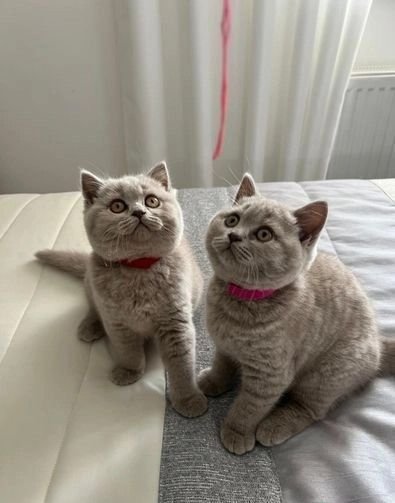
Caring for a British Shorthair involves understanding their unique characteristics and needs to ensure they lead a happy, healthy life. Known for their sturdy build, plush coats, and charming personalities, these cats can make wonderful companions. However, their specific grooming, dietary, and exercise requirements can be quite different from other breeds. This complete guide will provide you with essential information and practical tips on how to properly care for your British Shorthair, helping you create a nurturing environment for your feline friend. Whether you’re a new owner or looking to enhance your current care routine, this guide will equip you with the knowledge to keep your British Shorthair thriving.
Understanding the British Shorthair Breed
History and Origins
The British Shorthair’s roots stretch back to ancient Rome, where they were the original “purr-fect” pest controllers. Over time, they evolved into the sturdy and charming companions we adore today. The breed gained popularity in the 19th century, especially when Queen Victoria took a liking to them—because who wouldn’t want a cat with royal pedigree? Since then, they’ve maintained their reputation as laid-back, lovable lap companions.
Physical Characteristics
These cats are like the supermodels of the feline world—stocky, strong, and oh-so-handsome. With their dense coats that resemble cotton balls, round faces, and those famously chunky cheeks, British Shorthairs are hard to resist. Their large, copper or gold eyes can melt even the coldest heart, and let’s not forget their plush, compact bodies that make them the ultimate cuddle buddies.
Temperament and Personality Traits
British Shorthairs are the zen masters of the cat world. They’re typically calm, affectionate, and incredibly adaptable. Known for their easygoing nature, they don’t usually demand constant attention but will gladly accept your affection when it suits them. With a delightful combination of independence and companionship, they’ll warm your heart without constantly stealing your spotlight (unless you’re holding a treat, of course!).
Essential Nutrition for Your British Shorthair
Choosing the Right Food
Feeding your British Shorthair is all about balance. Look for high-quality cat food that lists meat as the first ingredient—because, spoilers: cats are carnivores! Whether you go for dry kibble, wet food, or a mix, ensure it’s formulated for their stage of life (kitten, adult, or senior). And don’t forget to check for those feline-approved flavors—tuna, chicken, and beef usually do the trick!
Feeding Guidelines and Portion Control
Portion control is key to keeping your British Shorthair svelte and spry. Follow the feeding guidelines on the food packaging, but keep in mind that every cat is unique—like a snowflake, but with fur. A typical adult might need around 200-300 calories a day, but always monitor their weight and adjust as needed. Consider using a measuring cup and resist the temptation to feed them “just a little more” after those big, adorable eyes beg.
Common Dietary Concerns
British Shorthairs are prone to obesity, which can lead to a host of health issues. To keep them in tip-top shape, avoid overindulgence in treats—unless you want to be playfully smothered by a plump ball of fluff! Watch for food allergies or sensitivities, too; some cats may react poorly to ingredients like grains or certain proteins. If your cat’s tummy seems upset more often than not, consult your vet for a tailored dietary plan.
Grooming and Hygiene Practices
Brushing and Coat Care
While British Shorthairs have a reputation for being low-maintenance, regular brushing will help minimize shedding and keep their coat looking chic. Aim for a good brushing session once a week; this should keep their fur looking pristine and cut down on those pesky hairballs. Consider using a slicker brush or grooming glove—your British Shorthair will appreciate the pampering!
Bathing Recommendations
Bathing isn’t usually necessary for British Shorthairs, as they’re self-cleaning whizzes. However, if your kitty accidentally gets into something sticky or starts to smell like a wet sock, a gentle bath may be in order. Use a cat-friendly shampoo, and always make it a quick affair—no one likes a soggy kitty!
Nail Clipping and Ear Cleaning
Proper nail clipping is an important part of grooming, so keep those claws in check. Aim to trim their nails every couple of weeks; if you’re unsure, your vet can help show you the ropes. As for ear cleaning, regularly check for any wax buildup or dirt. If you see any, use a vet-recommended solution and a cotton ball to keep those ears as clean as a whistle.
Exercise and Playtime Needs
Understanding Activity Levels
Despite their chill demeanor, British Shorthairs do need some exercise to stay healthy and avoid turning into fluffy couch potatoes. Aim for about 20-30 minutes of play each day. Think of it as a workout for both you and your cat—who doesn’t like a little bonding time over a feather wand?
Recommended Play Activities
Engage your British Shorthair with a variety of play! They love interactive toys, laser pointers, and even the occasional paper ball. Set up climbing trees or cozy hideaways to stimulate their natural instincts and keep them entertained. Just avoid the “cat on the keyboard” scenario—trust me, you don’t want to type like a toddler!
Interactive Toys and Enrichment Ideas
Interactive toys are a game-changer for keeping your cat mentally stimulated. Puzzle feeders or treat-dispensing toys can keep them busy and help prevent boredom. Rotate their toys occasionally to keep things fresh; after all, cats are fickle creatures! And don’t forget quality time—playing or engaging in activities with your British Shorthair is the catnip to their heart!
Health Care and Regular Check-ups
Vaccinations and Preventative Care
Keeping your British Shorthair healthy starts with a solid vaccination schedule and preventative care. Make sure to get your kitty their core vaccines, including feline viral rhinotracheitis, calicivirus, and panleukopenia. Don’t forget about rabies, which is not just a law in many places but also a crucial part of keeping your furball safe from nasty diseases. Regular vet check-ups, ideally once a year, are like a spa day for your cat—just with more thermometer action and less massage oil.
Common Health Issues in British Shorthairs
British Shorthairs are known for their sturdy build and charming round faces, but they can be prone to certain health issues. Keep an eye out for obesity, which they seem to embrace as a lifestyle choice—seriously, just one too many treats! Also, be aware of heart issues like hypertrophic cardiomyopathy (HCM), which can sneak up on your cuddle buddy. Regular vet visits can help catch these problems early, so your cat can stick around for all those naps and snack moments!
Signs of Illness to Watch For
It’s not always easy to tell when your British Shorthair isn’t feeling peachy, especially with their calm demeanor. However, there are red flags to watch out for. If you notice a sudden change in appetite, like your kitty turning into a picky eater overnight, or if they seem lethargic—think couch potato mode turned turbo slow—it’s time to visit the vet. Other signs include unusual vocalizations, excessive grooming, or if they start avoiding the litter box like it’s a haunted house. Keep an eye on your feline friend—the sooner you catch something, the better!
Training and Socialization Tips
Basic Training Commands
Believe it or not, British Shorthairs can learn basic commands (and yes, they’re as stubborn as they are adorable). Start with simple commands like “sit” or “come.” Use treats as motivation (both for you and them—there’s something about food that gets everyone excited). Consistency is key; practice makes purrfect, and don’t forget to sprinkle in loads of praise; your kitty thrives on that “you’re the best” vibe like it’s catnip!
Socializing with Other Pets
Introducing your British Shorthair to other pets might be like inviting the cool kid to your birthday party—intentions are high, but outcomes can be unpredictable. Do it gradually! Allow your kitty to sniff out newcomers at a safe distance before diving into playtime. Choose their introduction environment wisely; a neutral space helps avoid territorial fur flying. And remember, some cats just prefer solo acts—respect their misanthropic tendencies if they give the silent treatment!
Handling Behavioral Problems
Every cat has their quirks—some more than others. If your British Shorthair has decided it’s fun to play tag with your curtains, there are ways to handle this. Redirect that energy with toys and interactive play. If they’re acting out more than usual, make sure to assess their environment: stress could be the culprit. And if all else fails, a chat with your vet or a cat behaviorist could help turn your furry troublemaker into a well-mannered gent or lady.
Creating a Safe and Stimulating Environment
Safe Spaces for Your Cat
Every British Shorthair deserves a cozy nook to call their own. Create safe spaces with comfy beds or blankets in quiet areas where they can snooze undisturbed. These hideaways should be accessible and away from the hustle and bustle of your home—think of it as your cat’s version of a spa retreat. If there’s a cardboard box involved, even better—cats have a sixth sense for box fort construction!
Essential Cat Furniture and Accessories
Investing in some quality cat furniture is like building a playground for your British Shorthair. Look for scratching posts, cat trees, and tunnels that cater to their natural instincts. A well-placed window perch will let them indulge in serious bird-watching while plotting world domination. Cats appreciate variety—as do their humans who enjoy seeing their pets positively frolicking around instead of tearing up the furniture.
Outdoor vs. Indoor Considerations
The indoor vs. outdoor debate is as old as the catnip itself. If you live in a safe environment, a supervised outdoor adventure can do wonders for your cat’s mental health. However, British Shorthairs are prone to certain health issues, so consider keeping them indoors for safety. If they must go outside, invest in a harness or catio to keep them safe while still enjoying the great outdoors. It’s about balancing their explorer instincts with your protective instincts—sounds like a job for a superhero!
Dealing with Common Behavioral Issues
Understanding Cat Behavior
Understanding your British Shorthair is like decoding the mysterious language of “Meows.” They communicate through posture, tail movements, and even the way they blink at you (trust me, long blinks are like cat-kisses!). They might seem aloof, but each quirky behavior has a meaning—like that sudden sprint across the room is their version of a caffeine jolt. Learn to interpret their signals, and you’ll be a feline whisperer in no time.
Preventing Scratching and Aggression
Scratching and aggression can be hallmarks of an unhappy kitty, but don’t fret! The first step is to provide plenty of scratching posts to divert that destructive energy. Make sure they’re sturdy, tall, and covered in scratch-friendly material. If aggression arises, take a step back and assess potential stressors—more toys might help, or even creating a separate space for them to chill out when needed.
Addressing Litter Box Problems
Litter box issues can turn your home into a feline nightmare, but don’t throw in the towel just yet! Make sure the box is clean and accessible. If your British Shorthair is refusing to use it, you might want to check if there are any health issues at play or if they are just being picky about the litter type. Sometimes, adding an additional box or changing the location can work wonders. Remember, a happy cat often leads to a happy (and odor-free) home!In conclusion, caring for your British Shorthair requires attention to their unique needs and characteristics. By providing proper nutrition, regular grooming, exercise, and health care, you can ensure your feline companion lives a long, happy, and fulfilling life. Remember that every cat is an individual, so take the time to understand your British Shorthair’s specific preferences and behaviors. With love and commitment, you will cultivate a strong bond and create a loving home for your beloved pet.
Frequently Asked Questions
1. How often should I groom my British Shorthair?
It is recommended to brush your British Shorthair at least once a week to keep their coat healthy and reduce shedding. During shedding seasons, you may need to brush them more frequently.
2. What type of food is best for a British Shorthair?
A high-quality, balanced diet that is rich in protein is ideal for British Shorthairs. Look for cat food specifically formulated for their age and health needs, and consult your veterinarian for personalized recommendations.
3. Do British Shorthairs require a lot of exercise?
While British Shorthairs are generally more laid-back, they still need regular exercise to maintain their health and prevent obesity. Engaging them in interactive play and providing stimulating toys can help meet their exercise needs.
4. How can I prevent common behavioral issues in my British Shorthair?
Early socialization, consistent training, and providing plenty of mental and physical stimulation can help prevent behavioral issues. Additionally, ensuring your cat feels secure and comfortable in their environment is crucial for their well-being.