
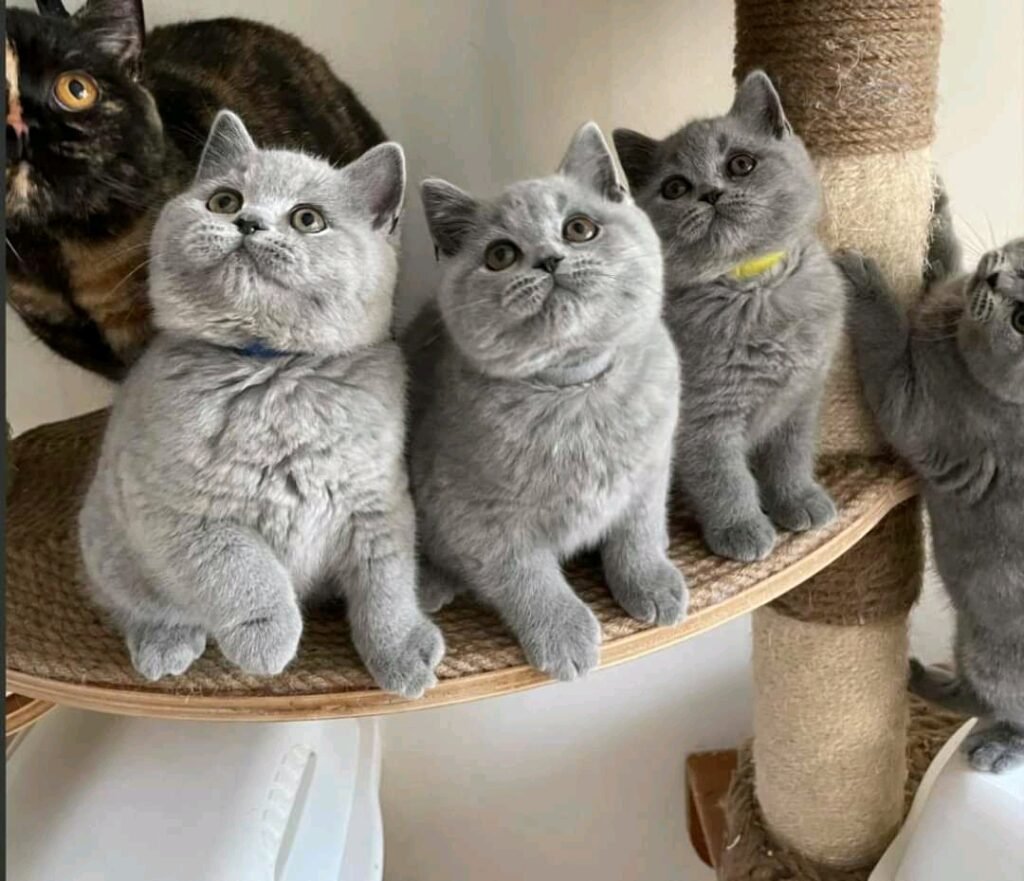
In recent years, the British Shorthair has surged in popularity across the United States, capturing the hearts of cat lovers and families alike. Known for their charming personalities, distinctive looks, and low-maintenance care, these adorable felines are becoming a staple in many households. As more people seek the ideal companion that balances companionship and independence, the allure of the British Shorthair continues to grow. This article explores the factors contributing to their rise, delves into their unique characteristics, and shares the stories of those who have welcomed these delightful cats into their lives.
The Rise of British Shorthairs in the U.S.
Historical Background and Origin
British Shorthairs have a storied history that dates back to the Roman Empire, when they were brought to England to keep the rat population in check (because who doesn’t love a good pest control story?). These charming cats boast a lineage filled with noble ties—think of them as the aristocrats of the feline world. Fast forward to the 21st century, and their plush coats and adorable round faces have charmed their way into American hearts. With cat cafes popping up everywhere and a rise in celebrity cat influencers, British Shorthairs are now the go-to companion for those wanting a piece of royal charm in their homes.
Current Trends in Pet Ownership
In recent years, the landscape of pet ownership in the U.S. has undergone a significant transformation, with Americans increasingly opting for pets that complement their lifestyles. Cats, once considered solitary creatures, are now recognized for their companionship and personality. Enter the British Shorthair—a breed that has skyrocketed in popularity, especially among millennials and Gen Z. As people prioritize mental health and work-life balance, these low-maintenance yet affectionate felines fit perfectly into busy lives, making them the ideal couch buddy for binge-watching or a silent partner during Zoom calls.
Unique Characteristics of British Shorthairs
Physical Features and Appearance
British Shorthairs are the definition of “cuteness overload,” with their stocky frames and plush, round faces that seem to have a permanent “I just woke up” expression. They sport broad heads, short necks, and big, expressive eyes that make you feel like they can see into your soul—be careful, they might just judge your snack choices! Their powerful build and sturdy paws exude a sense of strength, while their calm demeanor gives off an air of sophistication. It’s as if they know they’re the darlings of the cat world, and they’re here to rule with an iron paw wrapped in velvet!
Distinctive Coat and Colors
The British Shorthair’s coat is its crowning glory, featuring a dense, plush feel that invites endless petting (and let’s be honest, who can resist?). Their signature blue-gray fur is iconic, but they come in a dazzling array of colors and patterns, from golden to cream and even tortoiseshell. Each cat seems to have its own personality, reflected in the hue of its coat—like a little furry mood ring! With such diverse options, there’s a British Shorthair out there to suit every personality and home décor, making them the perfect addition to any family.
The Appeal of Their Temperament
Calm and Adaptable Nature
Perhaps the most endearing quality of British Shorthairs is their temperament. Often described as calm, easy-going, and a touch regal, they can adapt to various living situations, from bustling households to quiet apartments. They’re not the hyperactive “zooming around the house” type (looking at you, Siamese), but rather the laid-back companions you can rely on for cuddles and company. Their presence can transform a chaotic day into one filled with serene purring and soft, comforting vibes—perfect for those rough days when you just need a little furry therapy.
Social Behavior with Families and Other Pets
British Shorthairs are social butterflies in their own right, sans the overwhelming drama. They tend to get along well with families, children, and even other pets, which makes them an ideal choice for those with a full house. Their gentle demeanor allows them to coexist peacefully with dogs (yes, really!), and they’re generally quite patient with kids who may not yet grasp the concept of personal space. While they love human companionship, they also appreciate their alone time, making them the perfect balance of affectionate friend and independent feline.
Health Benefits of Owning a British Shorthair
Emotional Support and Companionship
Adopting a British Shorthair isn’t just about cute selfies; it’s about welcoming a live-in therapist into your home. Studies have shown that owning a pet can significantly reduce stress and anxiety levels, and what better way to unwind than with a soft ball of fur purring next to you? They have an innate ability to sense your moods and will happily curl up with you after a long day, providing comfort and companionship that can be truly therapeutic.
Encouraging an Active Lifestyle
While British Shorthairs are known for their chill vibes, they still require playtime and activity to stay healthy. Engaging in interactive play can encourage both you and your fluffy friend to be more active. Whether it’s a good old-fashioned game of chase-the-string or a more modern take with interactive toys, having a British Shorthair makes it easier to integrate fun exercises into your routine. Plus, you’ll both enjoy the added benefit of maintaining a healthy lifestyle—because let’s be real, someone’s got to work off those extra treats!
Care and Maintenance Tips for British Shorthairs
Nutritional Needs and Diet Considerations
British Shorthairs are like little furry tanks—solid, sturdy, and very good at eating! To keep these chubby munchkins healthy, it’s crucial to provide a balanced diet. Look for high-quality cat food that lists meat as the main ingredient. They also need a good mix of proteins, fats, and fiber to keep their energy levels up (and their fluffiness intact!). Remember, portion control is key; British Shorthairs love to snack, but too many treats can lead to a hefty kitty—so keep an eye on the waistline!
Grooming and Health Care Routines
These cats may not be high-maintenance, but they do appreciate a bit of pampering! Regular brushing, about once a week, helps to manage shedding and keeps their luxurious fur looking fabulous. Don’t forget to check their ears and teeth regularly; they’re just as important as that glorious coat. Scheduled vet visits for vaccinations and health checks are a must—because nobody wants surprises when it comes to health! Plus, British Shorthairs are prone to some genetic conditions, so staying on top of vet visits is like adding a second layer of fluff to their already cozy lives.
Cultural Influences Boosting Their Popularity
Media Representation in Films and Social Media
From internet memes to charming movie appearances, British Shorthairs are literally everywhere! With their round faces and big, expressive eyes, they’ve become the quintessential “cute cat” in films and viral videos. It’s hard to scroll through social media without bumping into a British Shorthair posing like the regal feline they are. Their presence in pop culture isn’t just fluffy filler; it’s helping to skyrocket their popularity across the U.S.
Influencer Endorsements and Their Impact
You’ve heard of influencers—those trendsetters who make us all rethink our wardrobe, diet, or, in this case, our cat choice! Many pet influencers showcase their British Shorthairs, highlighting their playful antics, stunning beauty, and, let’s be honest, the perfectly round faces that make you want to squish them! These endorsements create a buzz, making people realize that wanting a British Shorthair is not only trendy but also a step toward becoming a better version of ourselves—one adorable cat cuddle at a time.
Real-Life Stories: British Shorthairs in American Households
Testimonials from Owners
Don’t just take our word for it—let’s hear from the people living the British Shorthair dream! Owners rave about their laid-back nature and their knack for being both playful and affectionate. One proud owner shared, “My British Shorthair, Sir Fluffington, has the personality of a toddler mixed with a wise old sage—he’s always up for a cuddle, but he also knows when I need personal space!” These delightful stories are proof that these cats are not just pets; they’re family members with all the quirks and characteristics that come with it!
Adoption Success Stories
There’s nothing quite like a heartwarming adoption tale, and British Shorthairs are giving us those in spades! Many shelters are reporting a surge in adoptions, with families falling in love with their charming personalities and plush coats. One success story involves a little girl who adopted a shy British Shorthair named Mr. Purrington. After weeks of hiding, he finally emerged from his shell, becoming her ultimate cuddle buddy and classroom helper during virtual learning. These stories prove that adopting a British Shorthair can change lives—not just for the cat, but for the humans as well.
Adopting vs. Buying: What to Consider
Pros and Cons of Adoption
Adoption is a heartwarming option that comes with its own set of benefits and considerations. On the plus side, you’re giving a lovely kitty a second chance at happiness while also saving money compared to buying from a breeder. However, it’s important to consider the unknown history of some shelter cats, especially if they have special needs. It’s like a surprise package—you never know what you’re going to get! But that’s part of the adventure, right? Just remember to do your homework and talk to the shelter about your potential new friend.
Understanding Ethical Breeding Practices
If you’re leaning toward buying a British Shorthair, it’s crucial to ensure the breeder follows ethical practices. A responsible breeder should prioritize the health and temperament of their cats over profits. This means they conduct health screenings and provide a loving environment for their kittens. If their cats don’t look a tad too fluffy or have that irresistible round face, it’s a red flag. In the end, whether you adopt or buy, the goal is to find a furry companion who can steal your heart (and yes, likely your sandwich, too).As the popularity of British Shorthairs continues to rise in U.S. homes, it’s clear that these lovable cats offer a unique blend of charm, companionship, and ease of care that resonates with many pet owners. Whether through their playful antics, calming presence, or striking appearance, British Shorthairs have undeniably made their mark.
Frequently Asked Questions
What are the typical personality traits of a British Shorthair?
British Shorthairs are known for their calm and easygoing nature. They are affectionate yet independent, making them great companions for families and individuals alike.
How much maintenance do British Shorthairs require?
British Shorthairs are relatively low-maintenance cats. They require regular grooming to manage their dense coat, but their overall care needs are minimal compared to some other breeds.
Are British Shorthairs good with children and other pets?
Yes, British Shorthairs are generally good with children and can coexist well with other pets. Their laid-back demeanor makes them suitable for family environments.
What health issues should I be aware of with British Shorthairs?
While generally healthy, British Shorthairs can be prone to certain genetic conditions such as hypertrophic cardiomyopathy (HCM). Regular veterinary check-ups and a healthy diet can help mitigate these risks.