
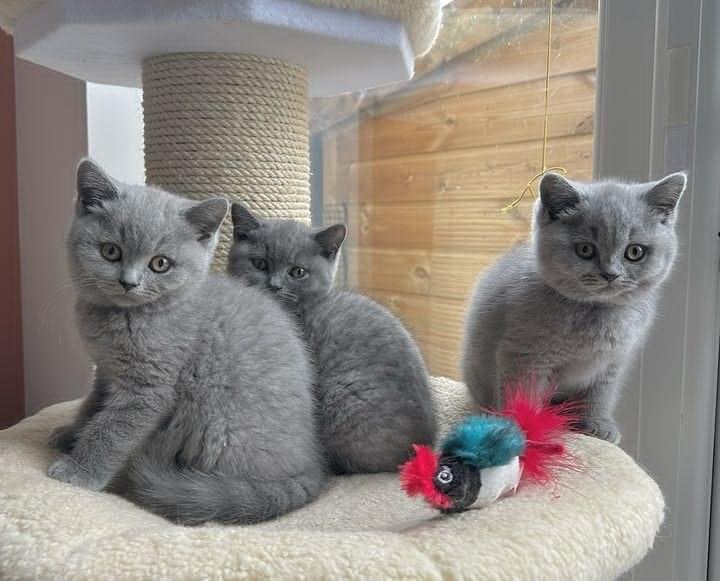
The British Shorthair is a beloved breed known for its charming personality and distinctive appearance, featuring a stocky build, round face, and plush coat. As one of the oldest domestic cat breeds, they have a rich history and have gained immense popularity worldwide. If you’re considering adding a British Shorthair to your family, it’s essential to understand their characteristics, care needs, and the various options available for purchase. This article will guide you through the intricacies of finding a British Shorthair for sale, ensuring that you make an informed decision and provide a loving home for your new feline companion.
Overview of British Shorthair Cats
History and Origin
The British Shorthair is like the James Bond of cats—suave, sophisticated, and with a backstory that could fill volumes. This breed dates back to the Roman times, when cats were brought to Britain to keep the rodent population in check. Over the centuries, they’ve developed into the charming companions we adore today. The breed gained significant popularity in the late 19th century when they were showcased in cat shows, and let’s just say, they’ve been stealing hearts (and warming laps) ever since.
Popularity and Recognition
With their round faces and plush coats, British Shorthairs are the furry equivalent of a teddy bear, making them immensely popular. They have repeatedly ranked as one of the most beloved breeds in cat fancy circles. The Cat Fanciers’ Association (CFA) recognizes them, and they’ve made countless appearances in books, films, and the occasional Instagram cat page. It’s safe to say that if there were a feline “A-list,” British Shorthairs would be front and center, holding paw with the likes of Garfield.
Characteristics of British Shorthairs
Physical Traits
These cats are built like little tanks with a stocky, muscular body and a broad, rounded head. Their dense, plush coats feel like a soft cloud, and they come in a variety of colors—gray, blue, cream, and even lilac, to name a few. Their large, round eyes can be copper, gold, or blue, showcasing an expression that says, “I’m both adorable and aware of my cuteness.” If there were an award for being irresistibly huggable, these cats would take home the gold every time.
Temperament and Behavior
British Shorthairs are the introverts of the cat world. They’re affectionate but not overly needy, making them perfect for those who appreciate a cat that’s comfortable with its own company. They enjoy playtime and can be quite goofy, but they also have a penchant for lounging in the sun like true aristocrats. Their calm demeanor means they are usually good with children and other pets, so they’re the ideal candidates for family life—if only they could get a job that involved napping and snacking!
Color Variations and Patterns
While the most recognized color is the classic “British Blue,” British Shorthairs come in a rainbow of colors and patterns. You’ll find them in solid, tabby, bicolor, and even tortoiseshell varieties. Each color variation offers its own unique charm, whether it’s a striking silver tabby with bold markings or a velvety cream that practically begs to be petted. It’s like having a personal palette of fluffy joy in your home!
Where to Find British Shorthairs for Sale
Reputable Breeders
If you’re looking for a British Shorthair, starting with reputable breeders is your best bet. Look for breeders who prioritize health and temperament over looks. They should provide health guarantees and ensure their kittens are well-socialized. Plus, a good breeder will give you the lowdown on their kittens’ unique personalities—and let’s be honest, who doesn’t want a cat with a good backstory?
Adoption Centers and Shelters
Adoption centers and shelters can be treasure troves for British Shorthairs waiting for their forever homes. While you might not find a purebred, many mix-breed cats have that British charm and cuddly physique. Besides, adopting is a win-win: you save a life, and you get a furry companion who’s ready to shower you with all the love they can muster. And let’s face it, those sweet kitty faces are hard to resist!
Online Marketplaces
In this digital age, online marketplaces are perfect for browsing potential furry additions to your family. Websites like Petfinder and various breeder directories can help you find British Shorthairs for sale. Just remember, while the internet is a magical place, you still need to do your homework. Make sure to research the seller, ask for references, and set up a meeting to ensure that you’re bringing home the right feline friend.
Factors to Consider Before Buying
Living Environment
Before you bring a British Shorthair into your home, consider your living situation. These cats aren’t fans of a cramped space; they thrive in environments where they can explore and lounge to their heart’s content. If you live in a small apartment, be prepared to provide plenty of vertical climbing spots and cozy napping nooks. A little planning can ensure both you and your future whiskered roommate are happy.
Allergies and Family Considerations
If you or someone in your household has allergies, it’s crucial to consider this before adopting. While British Shorthairs are known for being relatively low-shedding, they still produce allergens. Ensure that everyone in the family is on board with the new furry member, and consider spending some time with British Shorthairs first to gauge any allergic reactions. It’s better to know before you fall head over heels with those adorable kitty eyes!
Commitment and Time Required
Bringing a British Shorthair into your life is a commitment—a delightful one, but a commitment nonetheless. These cats need regular grooming, playtime, and attention to thrive. Make sure you have the time to dedicate to your new furry friend so that you can provide them the love, care, and snuggles they deserve. Remember, they’re not just pets; they’re family members—albeit furry ones with a tendency to nap on your laptop!
Pricing and Costs Associated with British Shorthairs
Initial Purchase Price
The initial purchase price of a British Shorthair can vary significantly based on factors like pedigree, breeder reputation, and geographical location. Expect to shell out anywhere from $800 to $2,500. Yes, you read that right! If you’re eyeing a show-quality kitty, better start saving your pennies—or your catnip!
Ongoing Care Expenses
Once you’ve adopted or purchased your British Shorthair, the expenses don’t stop there. Monthly food costs can range from $30 to $50, and let’s not forget about litter, toys, and any surprise expenses (like that time your cat turned your favorite pair of shoes into a scratching post). Budgeting around $100 to $200 per month for ongoing care is a safe bet.
Insurance and Veterinary Costs
Vet visits are critical for keeping your furball healthy and happy, typically ranging from $50 to $150 per visit (and trust us, they’ll love going to the vet—said no cat ever). Add pet insurance to the mix, which can be around $20 to $50 monthly. It may feel like throwing money down a black hole, but it can save you big bucks in case of an emergency.
Care and Maintenance of Your British Shorthair
Grooming Needs
British Shorthairs may have plush coats, but they’re not high-maintenance when it comes to grooming. A good brush once a week should keep them looking dapper. However, during shedding season, you might find yourself in an epic battle against fur tumbleweeds. Arm yourself with a lint roller and prepare for the inevitable!
Diet and Nutrition
Nutrition is key to keeping your British Shorthair at their best. Aim for high-quality cat food tailored for their age and health needs. Don’t fall for the “big-eyed begging” routine—those stares can be deceiving! Portion control is essential to prevent them from turning into fluffy little butterballs.
Exercise and Play
Despite their somewhat regal demeanor, British Shorthairs love to play! Engage them with interactive toys, laser pointers, or even a good old-fashioned cardboard box (trust us, they’ll love it!). Aim for at least 20-30 minutes of playtime each day to keep them fit and feline-fluffy.
Common Health Issues in British Shorthairs
Genetic Conditions
While British Shorthairs generally have sturdy health, they’re prone to certain genetic conditions. Hypertrophic cardiomyopathy (HCM), a heart disease, is one of the big ones. Regular vet check-ups can help catch issues early, so you don’t end up in a cat-astrophe!
Preventative Care and Regular Check-ups
Preventative care is your best friend when it comes to feline health. Regular vet visits (think every 6-12 months) help nip problems in the bud. Vaccinations, dental care, and flea control are all crucial to avoid a situation where your cat reigns over the household with an iron paw.
Signs of Illness to Watch For
Keep an eye on your kitty’s behavior. If they’re suddenly less playful, more lethargic, or have a change in appetite, it’s time to schedule a vet visit. Other red flags include unusual vocalizations or litter box issues. Remember, your British Shorthair can’t exactly tell you when something’s off, so keep those peepers peeled!
Conclusion: Making an Informed Purchase Decision
Summary of Key Points
Owning a British Shorthair is a delightful adventure, but it comes with responsibilities. From initial costs to ongoing care and potential health issues, ensure you’re prepared to provide a happy and healthy home for your new feline friend.
Final Thoughts on British Shorthairs
If you’re ready to welcome a British Shorthair into your life, you’re in for a treat! They bring charm and personality in spades. Just remember, every cuddly cat comes with a commitment. Do your homework, set your budget, and get ready to find your perfect furry companion!In conclusion, the British Shorthair is a wonderful addition to any home, bringing joy and companionship to their owners. By understanding their unique traits, care requirements, and the various avenues for acquisition, you can confidently choose the right British Shorthair for your lifestyle. Whether you adopt from a shelter or purchase from a reputable breeder, ensuring the well-being of your new pet should always be the top priority. With proper care and love, your British Shorthair will thrive and become a cherished member of your family.
Frequently Asked Questions
What is the average lifespan of a British Shorthair?
The average lifespan of a British Shorthair is typically between 12 to 20 years, depending on their overall health, care, and genetics.
Are British Shorthairs good with children and other pets?
Yes, British Shorthairs are generally known for their calm and friendly demeanor, making them good companions for children and other pets. Proper introductions and socialization can enhance their adaptability.
How much should I expect to pay for a British Shorthair?
The price of a British Shorthair can vary widely based on factors such as pedigree, breeder reputation, and location, typically ranging from $800 to $2,000 or more.
Do British Shorthairs require special grooming?
While British Shorthairs have a dense coat that requires regular brushing to minimize shedding and matting, they do not require extensive grooming compared to some long-haired breeds. Regular brushing every couple of weeks is usually sufficient.