
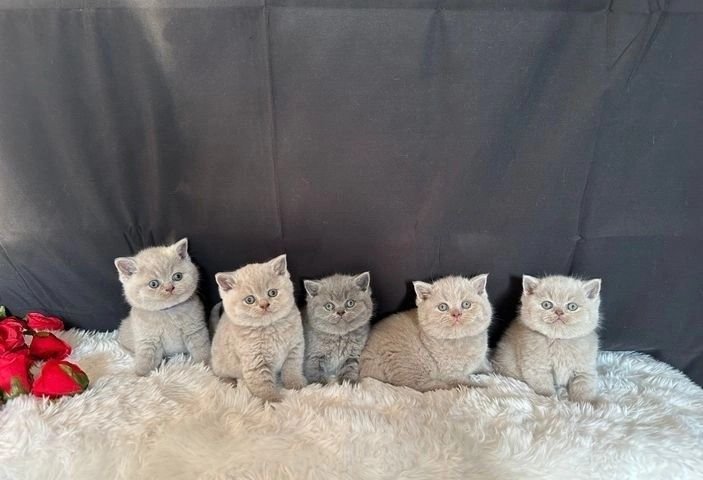
British Shorthair cats have captured the hearts of cat lovers around the globe with their charming personalities and striking appearance. Known for their gentle demeanor and affectionate nature, these felines make perfect companions for a variety of households. Whether you’re a busy professional, a family with children, or a seasoned cat owner, British Shorthairs offer a unique blend of playfulness and calmness that complements any lifestyle. In this article, we will explore ten compelling reasons why these delightful cats are not only wonderful pets but also cherished members of the family.
1. Affectionate Nature: The Loving Personality of British Shorthairs
Understanding Their Bonding Behavior
British Shorthairs are like the teddy bears of the cat world—soft, cuddly, and surprisingly snuggly. They tend to form deep bonds with their humans, often following you from room to room like a furry shadow. Their devoted nature means they thrive on companionship and can be quite the little velcro cats when they want affection. You might find them napping next to you, head resting on your lap, as if to say, “You’re my favorite human, and don’t you forget it!”
How They Show Affection
Don’t expect these cats to shower you with over-the-top affection like a lovesick puppy; British Shorthairs are a bit more refined. They’ll often show their love through gentle headbutts, slow blinks (a cat’s equivalent of “I love you”), and a well-timed purr that could melt the heart of even the most stoic cat owner. When they curl up beside you or playfully bat at your fingers, they’re silently saying, “Let’s be friends forever.”
2. Low Maintenance: Easy Care for Busy Lifestyles
Grooming Needs and Tips
Let’s be real: who has time for a demanding pet? British Shorthairs are the cat equivalent of a low-maintenance friend—they groom themselves like pros! Their dense, plush coat requires only minimal brushing, about once a week, to keep it looking fabulous. So, if you have a hectic lifestyle or just want to binge-watch your favorite show without worrying about a furry tumbleweed forming, you’re in luck!
Feeding Requirements for Busy Owners
Feeding a British Shorthair is as easy as pie (or catnip, if you prefer)! Their diet doesn’t require you to be a gourmet chef; just provide them with high-quality cat food suited for their age and weight. A regular feeding schedule keeps them happy, and you can even opt for automatic feeders if you’re out of the house more than you’d like. Just remember, portion control is key! A few extra treats won’t hurt, but too many can lead to a rounder, fluffier kitty than you bargained for.
3. Adaptability: Thriving in Various Living Environments
City vs. Rural Living
Whether you live in a bustling city apartment or a charming countryside cottage, British Shorthairs fit in like they own the place. They are surprisingly adaptable creatures, seemingly unfazed by noisy neighbors or the rumbles of passing cars. While they enjoy exploring their surroundings, they’re equally content to lounge in their favorite sunspot, proving they can find joy in both urban and rural settings. Just ensure they have space to stretch their legs—preferably without stepping on your toes!
Adjusting to New Situations
Moving? New family members? No problem! British Shorthairs are known for their easy-going nature, allowing them to adjust smoothly to various situations. They might take a moment (or two) to sniff around and assess their new kingdom, but soon enough, they’ll be strutting about like they own the place. Just remember, patience is key; give them some time to explore their new digs, and soon they’ll settle in like they’ve been there all along.
4. Gentle Temperament: Ideal for Families and Children
Compatibility with Other Pets
Got other pets? Not a worry! British Shorthairs are known for their gentle demeanor, making them fantastic companions for both families and other furry friends. They’ll approach new members—human or animal—with a calm curiosity, often becoming the peacekeeper in any pet squabble. With their laid-back attitude, they tend to get along swimmingly with dogs and other cats, making for a harmonious household filled with purrs.
Creating a Safe Environment for Kids
When it comes to kids, British Shorthairs are like the wise, older sibling of the cat world. They are patient and accepting, often tolerating a little too much love from tiny hands. However, it’s essential to set some boundaries and teach kids how to interact with them respectfully. A gentle touch, a soft voice, and a sprinkle of patience make for a recipe for success. With the right guidance, British Shorthairs can develop wonderful bonds with children, creating memories that last a lifetime.
5. Playful Yet Calm: Balancing Energy with Relaxation
Engaging Toys and Activities
British Shorthairs boast a delightful mix of playfulness and chill vibes. They love interactive toys like feather wands and laser pointers, which can ignite their inner hunter, while also enjoying a good old-fashioned box to lounge in. You’ll often find them engaging in short bursts of activity—think of it as their version of a sprint to the fridge—followed by an extensive nap session, because, let’s face it, a cat’s gotta rest!
Understanding Their Play Signals
Navigating the whimsical world of a British Shorthair can feel like deciphering a cat-based hieroglyphics. They’ll often showcase their interest in play with a little tail flick or a gentle paw tap. However, if they start to paw at your leg while giving you the “do I look amused?” glare, it’s probably time to switch gears and let them lounge. Recognizing when they’re all about fun and when they’re ready for a snooze is the key to a happy feline companion.
6. Intelligence: Quick Learners and Engaging Companions
Training Techniques for British Shorthairs
These felines are surprisingly trainable, proving that they’re not just fluff balls of cuddles. Using positive reinforcement techniques is essential—think treats, praises, and maybe a few gentle scratches behind those adorable ears. From simple tricks like ‘sit’ to more complex feats like using a litter box (yes, it can be mastered!), British Shorthairs thrive on mental challenges, so get ready to impress your friends with a cat that plays fetch!
Stimulating Activities for Mental Engagement
Keep their smart brains engaged with puzzle toys, treat dispensers, or even DIY obstacle courses made from, you guessed it, more boxes! A little mental stimulation goes a long way, and you might just find your British Shorthair becoming a bona fide feline Einstein. And let’s be honest, who doesn’t want a cat that can outsmart you at a game of chess?
7. Health and Longevity: A Breed Known for Robustness
Common Health Issues to Watch For
While British Shorthairs are generally hearty, they aren’t immune to a few common health hiccups. Watch out for potential issues like hypertrophic cardiomyopathy (a fancy term for heart disease) and obesity, as they can pack on the pounds faster than you can say “treat time.” Regular vet visits and a balanced diet are non-negotiable—because the last thing you want is a chunky cat looking at you with judgmental eyes while you eat nachos.
Maintaining Their Overall Well-being
A healthy British Shorthair is a happy British Shorthair! Regular exercise is essential—think laser pointers, interactive toys, and even a brisk stroll around the house (just don’t expect them to be the next park jogger). Combine that with routine vet check-ups and a proper diet, and you’ll be well on your way to celebrating many happy years with your furry companion. Trust us, the purring and snuggles are oh-so-worth it.
8. Unique Appearance: The Allure of Their Distinctive Features
Physical Traits and Variations
These cats are the stunners of the feline world with their plush, dense coats and round faces that could melt even the coldest of hearts. Their stocky build and broad chests give them a regal presence, making them look like little furry royalty, even when they’re plotting mischief. They come in a myriad of colors and patterns, from classic blue-gray to vibrant tabby. Each one is unique—kind of like a fingerprint but fluffier!
The Charm of Their Personality Through Their Looks
It’s not just their appearance that draws you in; it’s the character behind those striking eyes. Their expressive way of looking at you while casually reclining in a sunbeam can only be described as the ultimate “I own this place” vibe. Despite their regal looks, they’re often laid-back and approachable, with personalities that shine as brightly as their coats. You’ll find humor in their little quirks, and that charming demeanor will have you falling deeper for them every day.In conclusion, British Shorthair cats are more than just pets; they are loving companions that enrich our lives with their unique personalities and loyal nature. Their adaptability, gentle temperament, and low maintenance needs make them an excellent choice for a wide range of owners. Whether you’re looking for a playful friend or a calm presence in your home, a British Shorthair is sure to bring joy and warmth to your life. Consider welcoming one of these charming cats into your family, and experience the countless benefits they can offer.
Frequently Asked Questions
1. Do British Shorthair cats get along with other pets?
Yes, British Shorthairs are generally known for their gentle temperament, making them compatible with other pets, including dogs and other cats. However, proper introductions and socialization are essential for a harmonious relationship.
2. How much exercise do British Shorthair cats need?
While British Shorthairs enjoy playtime, they do not require excessive exercise. A few short play sessions each day with interactive toys will suffice to keep them mentally and physically stimulated.
3. Are British Shorthair cats prone to any specific health issues?
Like all breeds, British Shorthairs may be predisposed to certain health conditions, such as hypertrophic cardiomyopathy (HCM) and obesity. Regular veterinary check-ups and a balanced diet can help maintain their health.
4. How do I groom a British Shorthair cat?
British Shorthairs have a dense coat that requires regular brushing, ideally once a week, to reduce shedding and prevent matting. Additionally, regular dental care and nail trimming are important aspects of their grooming routine.