
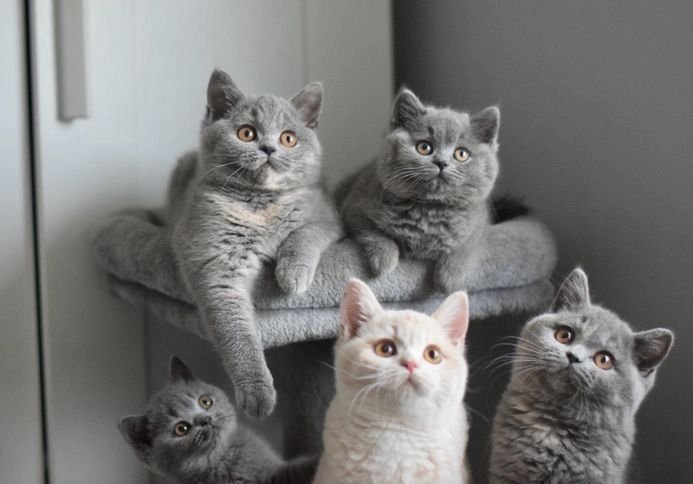
The British Shorthair, with its distinctive round face and plush coat, has seen a remarkable rise in popularity across America in recent years. Known for its charming personality and robust build, this breed has captured the hearts of cat lovers, becoming a sought-after companion in households nationwide. As cultural influences, social media, and celebrity endorsements elevate its status, the British Shorthair is not only becoming a common sight in homes but is also making waves in the pet industry and beyond. This article delves into the fascinating journey of the British Shorthair in America, exploring its history, characteristics, and the factors contributing to its growing appeal among feline enthusiasts.
The History of the British Shorthair in America
Early Imports and Establishment
The British Shorthair made its grand entrance into America in the late 19th century, shortly after its recognition in the UK. Early cat fanciers, hungry for the charming, stocky cats with dense coats, imported them to the States. The first official cat show, held in 1895, showcased these lovely felines, but it wasn’t until after World War II that they really began to gain traction in American households. Breeders started to focus on establishing the breed’s unique traits, paving the way for the British Shorthair to become a household name.
Influence of British Culture on American Cat Fanciers
As the saying goes, “Keep calm and love your cat”—and American cat fanciers took that advice to heart, thanks to the influence of British culture. After World War II, as British films and music became more popular in the U.S., the British Shorthair’s posh image as a quintessential “British” breed caught the eye of many. The breed’s sturdy build and affectionate temperament perfectly aligned with the American dream of a loving companion, creating a delightful cultural crossover that left cat owners smitten.
Characteristics and Traits of the British Shorthair
Physical Appearance and Size
If you’re looking for a cat who resembles a plush toy come to life, look no further. The British Shorthair boasts a round face, chubby cheeks, and big, expressive eyes that could melt even the coldest of hearts. With a sturdy, muscular build and a coat that feels like a soft cloud, these cats typically weigh between 9 to 18 pounds, making them both adorable and impressively hefty. Their short, dense fur comes in a rainbow of colors, but that iconic blue-gray shade is what really turns heads at the local cat café.
Temperament and Behavior
British Shorthairs are the introverts of the cat world—think of them as the cool kids who prefer chilling on the couch to attending wild parties. They’re easy-going and independent, yet still enjoy quality snuggle time with their humans. These cats are affectionate without being clingy, making them the perfect companions for those who appreciate a bit of space. Plus, their playful antics will keep you entertained for hours, especially when they decide to chase their own tails or pounce on unsuspecting dust bunnies.
Health Considerations
Like any breed, the British Shorthair has its health quirks. While they are generally robust, they can be prone to certain conditions, such as hypertrophic cardiomyopathy (HCM), a heart disease that’s all too common among cats. Regular vet check-ups, a balanced diet, and some playtime can help keep your furry friend in tip-top shape. Remember, a healthy British Shorthair is a happy British Shorthair—so keep an eye on that waistline, as they can sometimes take “couch potato” to a whole new level.
Popularity Surge: Factors Contributing to the Breed’s Rise
Social Media and Online Presence
In the age of Instagram and TikTok, where every pet is a potential influencer, the British Shorthair has found its niche. With their irresistibly cute faces and charming personalities, they’ve taken social media by storm. Cat accounts dedicated to these fluffy wonders rack up millions of followers daily. The hashtag #BritishShorthair might as well have its own fan club at this point. Watching their antics online is like binge-watching your favorite series—once you start, you just can’t stop!
Celebrity Influence and Endorsements
When celebrities adopt a British Shorthair, the breed suddenly becomes the “it” cat. From Instagram models to Hollywood A-listers, these furry felines have won the hearts of many. When Taylor Swift adopted her British Shorthair, Olivia Benson, the breed skyrocketed in popularity, and cat lovers everywhere were suddenly googling “how to adopt a British Shorthair” like it was the hottest trend of the season. Who knew a cat could outshine mere mortals in the fame department?
Events and Cat Shows
Cat shows are the British Shorthair’s runway, where they strut their stuff with flair. These events have pushed the breed into the spotlight, showcasing their regal poise and dignified charm. Winning titles and ribbons not only boosts the breed’s prestige but also encourages breeders and potential owners to consider adding a British Shorthair to their families. Watching one of these majestic cats claim victory is better than the best reality TV drama—talk about feline jubilation!
The British Shorthair in American Culture and Media
Film and Television Appearances
From the classic “Garfield” to contemporary tales like “The Secret Life of Pets,” the British Shorthair has made its mark on Hollywood. Their lovable, plump figures and aloof attitudes have made them a popular choice for feline characters, representing the perfect mix of sass and cuddles. Perhaps they’ve even inspired a few animated catnip-fueled adventures, proving that the British Shorthair isn’t just a pretty face; it’s a bona fide star!
Representation in Literature and Art
The British Shorthair doesn’t just take the screen by storm but also graces the pages of books and art. This breed has been immortalized in literature, often symbolizing comfort and companionship. From cozy cats lounging in classic novels to artistic renditions in galleries, the British Shorthair’s charm resonates deeply with cat lovers everywhere. Next time you’re flipping through a book, keep an eye out for these spotted darlings—you never know when you might stumble upon a feline friend!
Care and Maintenance of British Shorthairs
Diet and Nutrition
When it comes to feeding your British Shorthair, think of them as furry little royalty. They require a balanced diet rich in protein to maintain their muscular build and avoid that dreaded “squatty potato” look. High-quality cat food, whether kibble or wet, should be the star of their menu. Don’t forget to read the labels—some dry foods can be more “filler” than “feline.” Also, portion control is key; overindulgence can lead to obesity. Treats are fine—just don’t let those puppy-dog eyes tempt you into giving too many!
Grooming and Hygiene
Believe it or not, British Shorthairs are relatively low-maintenance when it comes to grooming. Their plush coat requires brushing about once a week to keep loose fur at bay and to prevent hairballs. Bonus: this grooming time can double as quality bonding time when you provide those gentle strokes. Make sure to check their ears and trim their nails regularly, too. A clean kitty is a happy kitty—plus, it prevents your furniture from becoming their scratching post.
Exercise and Play Needs
These cats may resemble sleepy potato sacks but don’t be fooled—they thrive on playtime! British Shorthairs are gentle giants who enjoy interactive toys, like feather wands or laser pointers. Aim for at least 20-30 minutes of active play each day to keep them mentally and physically stimulated. And while they might not be parkour experts, they’re keen climbers. Consider investing in a tall cat tree to satisfy their climbing instincts without turning your curtains into a climbing wall.
Adoption Trends and Breeder Insights
Rescue Organizations and Adoption Rates
The rise of the British Shorthair in the U.S. is not just a fad; it’s a heartwarming trend that echo’s a growing interest in adopting cats from shelters. Various rescue organizations have started to cater to this breed, making it easier for them to find loving homes. While adoption rates for British Shorthairs vary by region, there’s no doubt that more shelters are observing these cats finding homes, often due to their charming looks and laid-back personalities. Every adoption means one less kitty in need, which is a win-win scenario!
Choosing a Reputable Breeder
If you’re leaning toward purchasing a British Shorthair from a breeder, do your homework! Look for breeders who are transparent about health testing, lineage, and socialization methods. Avoid backyard breeders like the plague—they’re generally more interested in profit than the well-being of the cats. A good breeder will let you meet the kittens’ parents and provide a health guarantee to ensure your future fluffball is ready to conquer the world (or at least your living room).
Costs of Ownership
Let’s be honest: owning a British Shorthair is an investment. Between food, grooming supplies, regular vet visits, and those inevitable surprises (like that dental cleaning you didn’t budget for), you might want to set up a “cat tax” fund. Expect to spend upwards of $1,000 in the first year alone, with annual costs following suit. But consider this: a cat’s snuggle quotient is worth its weight in gold, and no price tag can measure the companionship they bring!
Comparisons with Other Popular Cat Breeds in America
British Shorthair vs. American Shorthair
At first glance, these breeds might look like distant cousins. However, they’re as different as tea and coffee. The British Shorthair sports a broader, rounder face and a more robust build, while the American Shorthair is known for its athleticism and varied coat patterns. In terms of temperament, British Shorthairs are typically more laid-back and affectionate, while American Shorthairs may have a more playful and adventurous nature. Ultimately, it boils down to whether you prefer a snuggly potato or an agile acrobat!
British Shorthair vs. Persian Cats
If fluffiness were a sport, Persians would take home the gold medal. With their long, luxurious coats and flat faces, they make quite the regal statement—but they also come with high grooming demands. In contrast, British Shorthairs offer more manageable maintenance with their short coats and sturdy demeanor. Personality-wise, British Shorthairs are generally more adaptable and less prone to the “drama” that can come with a Persian’s royal temperament. Who knew owning a cat could be so much like navigating a soap opera?
Market Preferences Among Cat Owners
With cat ownership on the rise in America, it’s no surprise British Shorthairs have clawed their way to the top of many feline fan lists. Owners lean toward breeds that are social, easygoing, and adaptable to family life. These traits are solidified in the British Shorthair’s reputation, making them highly sought after. As the market grows, so does the variety of breeds, but the British Shorthair’s charming demeanor is proving to be hard to resist.
Future Outlook for the British Shorthair in the U.S.
Predicted Trends in Popularity
The British Shorthair isn’t just a passing trend; it’s a lifestyle! As more Americans fall in love with their unique looks and personalities, their popularity is expected to continue surging. With the help of social media showcasing these adorable felines, we might even see a spike in British Shorthair memes, which will undoubtedly fuel further interest in the breed. Who can resist those chunky cheeks and wise expressions?
Challenges Facing the Breed
Despite their rising popularity, British Shorthairs face several challenges, including health issues that come with their stocky build, like heart disease and obesity. Responsible breeding practices will be crucial to combat these issues. Additionally, as the demand increases, there’s a risk of overbreeding, which can lead to genetic health problems. It’s essential for both buyers and breeders to prioritize the health and welfare of these wonderful pets over mere aesthetics.
Community and Industry Support
The British Shorthair community is a robust one filled with dedicated breeders, cat enthusiasts, and rescue organizations all working to ensure the breed’s long-term health and well-being. Cat shows and breed clubs offer education and support to owners and breeders alike, and as awareness continues to grow, collaboration among these entities will be vital for fostering a future where British Shorthairs can thrive both as pets and showstoppers. In conclusion, the British Shorthair’s ascent in popularity within America reflects a broader appreciation for this unique breed’s charm and companionship. As more individuals and families embrace these affectionate cats, the British Shorthair is poised to remain a beloved choice among pet owners. By understanding their needs and characteristics, we can ensure that this breed continues to thrive and enrich the lives of those who welcome them into their homes.
Frequently Asked Questions
What is the average lifespan of a British Shorthair?
The average lifespan of a British Shorthair is typically between 12 to 20 years, depending on factors like genetics, diet, and overall care.
Are British Shorthairs good with children and other pets?
Yes, British Shorthairs are known for their gentle and calm demeanor, making them a great choice for families with children and other pets. They are generally sociable and adaptable.
How much do British Shorthair kittens cost in America?
The price for a British Shorthair kitten can vary widely depending on factors such as breeder reputation, location, and lineage, typically ranging from $1,000 to $2,500.
Do British Shorthairs require special grooming?
While British Shorthairs have a dense coat, they require minimal grooming compared to long-haired breeds. Regular brushing helps reduce shedding and keeps their coat healthy, but they do not need frequent baths.