
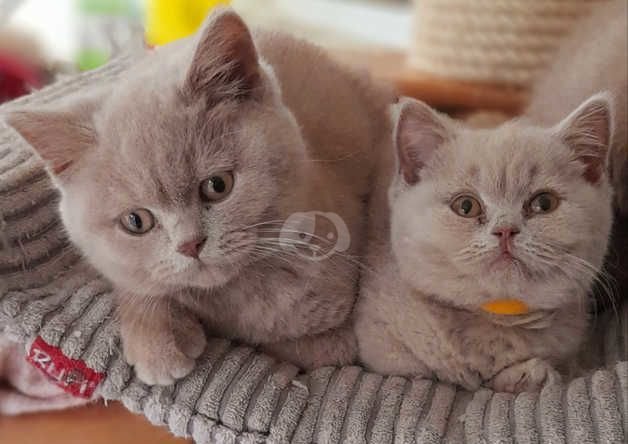
Creating the perfect home for your British Shorthair goes beyond simply providing food and shelter; it involves understanding their unique needs and traits to ensure they thrive in a loving environment. Known for their sturdy build, playful demeanor, and affectionate nature, British Shorthairs require specific considerations to feel safe and content in their surroundings. In this article, we will explore the essential elements of a suitable living space, including environment, furniture, nutrition, and grooming, to help you foster a happy and healthy life for your feline companion.
Understanding the British Shorthair Breed Characteristics
Physical Attributes
British Shorthairs are the poster children of feline cuteness, boasting a sturdy, muscular build and a round face that’s practically begging to be petted. Their dense, plush coat—ranging from classic blue to a rainbow of colors—has a teddy bear-like quality that you’ll find hard to resist. With their large, round eyes and adorable chubby cheeks, they look like they’ve just finished a delightful meal of cream and mischief.
Temperament and Behavior
These cats are famously good-natured, combining a calm demeanor with a playful spirit. British Shorthairs tend to be laid back and easygoing, making them great companions for both families and individuals. They’re also a bit independent, meaning they won’t require your constant attention, but they definitely appreciate some quality cuddle time. Just be prepared for a side of quirky; they often have peculiar habits, like “helping” you with paperwork by lounging on your documents.
Common Health Issues
Like all breeds, British Shorthairs can have their share of health issues. They’re prone to obesity, so keep an eye on their diet and encourage regular playtime to keep those fluffy figures in check. Additionally, they can be susceptible to hypertrophic cardiomyopathy (HCM), a heart condition common in cats, so regular vet check-ups are crucial. Finally, be on guard for dental problems—those pearly whites need care too!
Ideal Living Environment for British Shorthairs
Space Requirements
British Shorthairs are like little royal emperors of their domain—they need space to lounge, play, and survey their kingdom. A cozy apartment or a spacious house can both work, just as long as they have room to stretch their legs and claim their territory (which they will). A sunny window perch is a must-have for basking in warmth and watching the world go by.
Indoor vs. Outdoor Living
While some cat enthusiasts allow their British Shorthairs to roam outside, it’s generally safer to keep them indoors. Outdoor adventures can bring risks like traffic, predators, and the dreaded collar snags. If you want to grant them some fresh air, consider a secure catio or leash training—just be ready for some serious “what are you doing to me?” looks.
Climate Considerations
British Shorthairs do well in a variety of climates, but they’re not big fans of extreme temperatures. If the heat rises above their comfort level, they’ll be seeking out the coolest corner of your home faster than you can say “paws.” Similarly, in colder months, make sure they have warm spots to curl up—because let’s face it, nobody likes a cold kitty!
Essential Furniture and Accessories
Cat Trees and Scratching Posts
Every British Shorthair deserves their castle! A sturdy cat tree gives them a place to climb, scratch, and survey their kingdom from on high. Look for tall structures with multiple platforms, as they love to perch and keep an eye on everything. And don’t skimp on the scratching posts—trust me, your furniture will thank you for it!
Comfortable Bedding Options
Your kitty deserves the finest accommodations, so don’t be afraid to splurge a little on cozy bedding. Look for soft beds, pillows, or even cat caves that provide snuggly spots for them to curl up. Bonus points if you can find beds that match your home decor—and make sure to have a few around the house because they like variety in their napping spots.
Toys for Play and Enrichment
Keep those little paws entertained with a good selection of toys! Think feather wands, laser pointers, and interactive puzzles that challenge their curious minds. British Shorthairs are playful, so rotate toys regularly to keep things fresh and exciting. Just beware of the infamous “catnip high”—it’s a wild ride that you might want to witness from a safe distance.
Creating a Safe and Stimulating Space
Hazard Management
Safety first! Make sure to cat-proof your home by stowing away any small items they might swallow, securing cords, and keeping harmful plants out of reach. Consider using childproof locks on cabinets where you store cleaning supplies or other potential hazards. Your British Shorthair is a curious critter, so it’s best to be one step ahead of their mischief.
Enrichment Activities
Engaging their minds is just as important as providing physical activity. Set up puzzle feeders, hide treats around the house, or create a treasure hunt to stimulate their natural instincts. Regular playtime with you is essential—turn on that catnip-fueled enthusiasm and enjoy some quality bonding time. Just be prepared for their impeccable stealth skills!
Safe Hiding Spots
Sometimes, your British Shorthair may want to retreat to a safe haven. Provide cozy hiding spots where they can curl up and feel secure, whether it’s a cat cave, a box, or even a blanket fort. Just be sure these spots are safe and accessible—after all, we all need our alone time now and then!
Nutrition and Feeding Considerations
Choosing the Right Food
When it comes to selecting the perfect grub for your British Shorthair, look for high-quality dry kibble or wet food specifically formulated for cats. These little fluff balls thrive on protein, so make sure chicken, turkey, or fish is at the top of the ingredient list. Avoid foods with questionable fillers like corn or unnamed meat sources—your British Shorthair deserves the best, after all! Additionally, consider their age, size, and any dietary restrictions they might have. Your vet can be a great ally in finding the paw-fect food match.
Feeding Schedule and Portions
Establishing a feeding schedule is like creating a dining reservation for your kitty—consistent and comforting! Most adult British Shorthairs do well with two meals a day, while kittens may need more frequent feedings. Portion control is crucial; you wouldn’t want your cat to turn into a teacup elephant. Follow the feeding guidelines on the food package and adjust as needed based on your cat’s activity level and weight. Don’t forget to keep an eye on the treat intake—those treats are like cat candy!
Hydration Needs
Water is the unsung hero of your kitty’s diet. Fresh and clean water should always be available—think of it as their personal spa experience! British Shorthairs can be a bit finicky about drinking, so investing in a cat water fountain might entice them to hydrate more frequently. If your cat isn’t a fan of drinking water, consider incorporating wet food into their meals, which can also help with hydration. Just remember, a hydrated cat is a happy cat!
Health and Wellness Needs
Regular Veterinary Check-ups
Like a good sitcom, your British Shorthair’s health is best when there’s a recurring vet visit—at least once a year is the gold standard! Regular check-ups help catch any issues before they become full-blown dramas. Your vet will keep tabs on their weight, dental health, and overall wellbeing—think of them as the cat’s version of a personal trainer, but with fewer sweatbands.
Vaccination Schedule
Vaccinations are your British Shorthair’s shield against the villainous germs and diseases lurking in the shadows! Kittens typically receive their vaccines at around six to eight weeks, with boosters following as they grow. Your vet will provide a vaccination schedule tailored for your furry friend, ensuring they’re protected against common illnesses. Don’t skip these appointments unless you want your cat to star in their own horror movie!
Signs of Illness to Watch For
Keep your detective skills sharp—knowing the signs of illness in your British Shorthair can make all the difference! Watch for changes in appetite, abnormal litter box habits, lethargy, or unusual vocalizations. If your cat is giving off that “don’t touch me” vibe or hiding more than usual, it may be time to consult your vet. Remember, a little early intervention can save you from a lot of stress and a very unhappy kitty!
Socialization and Interaction Tips
Bonding with Your British Shorthair
British Shorthairs can be a bit aloof, but don’t be fooled—they love bonding time! Engage them with interactive toys, gentle petting, and, of course, lots of chin scratches. Building trust takes time, so don’t rush it. Set aside dedicated cuddle sessions or playtime, and soon you’ll be your kitty’s favorite human. Just be prepared for those adorable, yet slightly judgemental, stares when you mess up!
Introducing New People and Pets
Introducing new people or pets to your British Shorthair can be a delicate operation—much like a spy mission! Start slowly by allowing your kitty to observe newcomers from a distance. Gradually bring everyone closer, ensuring your cat has a safe space to retreat if they feel overwhelmed. Never force interactions; instead, encourage positive experiences with treats or toys. Remember, patience is key—your cat will be the judge of who gets into their exclusive club!
Understanding Body Language
Your British Shorthair has plenty to say, even if they don’t use words! Get fluent in their body language to strengthen your relationship. A slow blink is the feline equivalent of a compliment, while a flicking tail might signal annoyance. Ears perked forward mean curiosity, while flattened ears might scream “back off!” Pay attention to how they communicate, and soon you’ll be deciphering their secret language like a pro cat whisperer!
Grooming and Maintenance Essentials
Brushing and Fur Care
British Shorthairs have a luxurious coat that deserves some pampering! Regular brushing helps reduce shedding and prevents hairballs—your vacuum cleaner will thank you, and so will your cat! Aim for once a week, using a slicker brush to tackle those dense fur layers. If your cat starts muttering about a salon visit, just remember that a good grooming session can turn into a great bonding opportunity!
Nail Trimming Techniques
Nail trimming can be a nail-biting experience—pun intended! Start familiarizing your British Shorthair with the clippers from a young age, turning it into a positive experience with treats and praise. If they’re not having it, try the “cat burrito” technique by wrapping them gently in a towel, leaving one paw free. A quick trim (just the tips!) every few weeks should keep those claws in check—plus, you’ll avoid the dreaded “clambering up your leg” incident!
Dental Care and Hygiene
Don’t let your British Shorthair’s pearly whites become the stuff of dental nightmares! Regular dental care is essential for preventing plaque buildup and bad breath. Aim to brush their teeth several times a week, using toothpaste specifically made for cats—because human toothpaste is a no-go! Consider dental treats or toys for added flair, and keep an eye out for any signs of dental trouble, such as drooling or difficulty eating. A happy mouth means a happy cat!In conclusion, creating the perfect home for your British Shorthair involves a thoughtful approach that considers their unique characteristics and needs. By providing a safe, stimulating environment filled with the right furniture, nutrition, and care, you can ensure your furry friend enjoys a fulfilling and happy life. With love and attention, your British Shorthair will not only thrive but also become a cherished member of your family.
Frequently Asked Questions
What type of food is best for a British Shorthair?
It is recommended to provide high-quality, protein-rich cat food that is specifically formulated for their age, size, and health needs. Consult your veterinarian for tailored dietary advice.
How often should I groom my British Shorthair?
British Shorthairs typically require grooming once a week to keep their coat healthy and reduce shedding. However, during seasonal changes, more frequent grooming may be necessary.
Are British Shorthairs good with children and other pets?
Yes, British Shorthairs are generally known for their calm and friendly demeanor, making them suitable companions for children and other pets when properly socialized.
How can I keep my British Shorthair entertained indoors?
Providing a variety of toys, interactive playtime, and climbing structures like cat trees can help keep your British Shorthair stimulated and entertained in an indoor environment.