
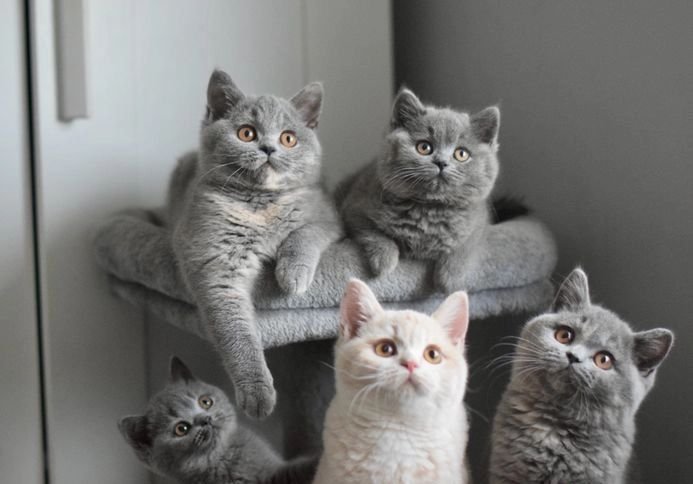
The British Shorthair has quickly captured the hearts of cat enthusiasts across America, becoming a beloved breed known for its charming personality and distinctive appearance. With its round face, dense coat, and stocky build, this feline boasts an unmistakable presence that sets it apart from other breeds. As more families and individuals seek companionship in their homes, the British Shorthair offers not only a striking aesthetic but also a temperament that is both friendly and adaptable. In this article, we will explore the history, characteristics, care requirements, and reasons behind the growing fascination with this delightful breed, guiding potential owners in their journey to welcome a British Shorthair into their lives.
Introduction to the British Shorthair
Overview of the Breed
The British Shorthair is like the cool, collected cousin you wish you had. With their plush, rounded faces and dense coats, these cats radiate charm and charisma. Known for their sturdy build and easy-going nature, they’re the purr-fect companions for anyone who appreciates a feline that embodies both elegance and playful spirit.
Key Reasons for Popularity
So, what’s the secret sauce behind the British Shorthair’s rising star status? First off, they’ve stolen hearts with their adorable, chubby cheeks (seriously, who can resist those?). Coupled with their friendly demeanor, low grooming needs, and adaptability to various lifestyles, these cats are winning hearts across America. You might even say they’re the rock stars of the cat world—just minus the groupies!
History and Origins of the Breed
Ancient Roots in Britain
The British Shorthair has quite the storied past, tracing its lineage back to Roman times when cats were brought to Britain to keep rodent populations in check. These adventurous furballs didn’t just lounge around; they were hard at work, earning their keep and establishing the foundation for what would become one of the world’s most beloved breeds.
Development Through the Ages
As British society evolved, so did the Shorthair. Through the ages, they navigated the ups and downs of life—surviving the Great War and locking paws with famous literary figures. Their resilience and charm helped solidify their status as a staple in British households, paving the way for their modern revival and newfound fame in America.
Distinctive Features and Characteristics
Physical Appearance
You can spot a British Shorthair from a mile away, thanks to their round faces, large, expressive eyes, and plush bodies that could make even the most luxurious pillows jealous. Their overall look is balanced and sturdy, embodying a majestic yet approachable presence that beckons you to scoop them up for a cuddle.
Coat Colors and Patterns
When it comes to fashion, these cats don’t shy away from variety! British Shorthairs wear their colors with pride, flaunting an array of hues like blue, cream, black, and even tortoiseshell. Their coats can be solid, tabby, bicolor, or even point-patterned, making them all the more diverse and visually stimulating, like a walking art exhibit of fur!
Size and Build
Think of a British Shorthair as a mini bodybuilder in the cat world. These felines are generally medium to large in size, with a broad chest and strong legs that can carry their cuddly frames. Their muscular build gives them an impressive presence, but they still manage to prance around with a certain grace that keeps them on the feline A-list.
Temperament and Personality Traits
General Behavior and Disposition
British Shorthairs are the zen masters of the cat kingdom. They possess a calm, laid-back demeanor that makes them perfect for both lounging on the sofa and engaging in invigorating play sessions. While they may be a bit more independent than some other breeds, they still relish human companionship and will occasionally seek out attention, all while maintaining their dignified air.
Compatibility with Families and Other Pets
If you’re looking for a cat that can seamlessly integrate into your family, the British Shorthair is your best bet. Their gentle disposition makes them excellent companions for children, and they generally get along well with other pets. Whether it’s sharing a sunbeam or a cozy nook, these cats are all about harmonious living—just don’t expect them to share their food without a very good reason!
Health Considerations and Care Requirements
Common Health Issues
While British Shorthairs are generally a robust bunch, they aren’t immune to health hiccups. Look out for hypertrophic cardiomyopathy (HCM), a common heart condition in cats that could make even the toughest feline feel a bit weak in the whiskers. Obesity is another concern, as these plushy pals love their snacks a little too much. Keeping an eye on their diet and activity levels is key to preventing them from turning into a fluffy little couch potato!
Regular Veterinary Care
Regular vet visits are a must for keeping your British Shorthair in tip-top shape. Aim for annual check-ups where the vet can examine everything from their adorable round faces to their bewitching blue eyes. Don’t forget vaccinations and parasite control! After all, you wouldn’t want your furry friend to be the host of an unwelcome party.
Grooming and Maintenance Tips
Brushing and Bathing Recommendations
British Shorthairs have a dense coat that gives them their iconic plush look, so regular brushing is essential for keeping their fur looking fabulous. Aim for a weekly brushing session to reduce shedding and prevent hairballs. As for baths, these cats don’t usually need one unless they decide to do a dramatic face-plant in something questionable. Should that happen, just a light wash with cat-friendly shampoo will be enough to restore their dignity.
Nail Trimming and Ear Cleaning
Nail trimming is like giving your British Shorthair a tiny manicure, and trust us, they won’t mind as long as there are treats involved. Aim to trim their claws every few weeks, or whenever you notice their “paw-some” digs turning into tiny daggers. As for ear cleaning, gently wipe out any gunk with a damp cotton ball every couple of weeks. Just watch out for those overly judgmental looks—your cat might not appreciate you critiquing their cleanliness!
Popularity in America: Why the Fascination?
Social Media Influence
It’s no secret that social media plays matchmaker for countless feline fans with their next pet obsession. British Shorthairs have become Insta-stars with their charmingly round faces, fluffy cheeks, and the ability to pull off a grumpy yet lovable look that’s simply irresistible. From viral cat videos to #BritishShorthair memes, these cats have invaded our feeds and warmed our hearts—one pic at a time.
Breeder and Adoption Trends
As this breed captures America’s collective heart, the demand for British Shorthairs has spiked. Responsible breeders are stepping up to meet the demand, ensuring that these felines are healthy, well-socialized, and ready to rule your home. Meanwhile, adoption trends are also emerging, as shelters recognize the allure of this breed and work to connect them with loving families. So whether you’re looking to adopt or buy, there are plenty of options to welcome a British Shorthair into your life!
Adopting a British Shorthair: What to Know Before You Buy
Finding Reputable Breeders
If you’re convinced a British Shorthair is your spirit animal, it’s crucial to find a reputable breeder. Look for breeders who prioritize the health and temperament of their cats over profit. They should be willing to provide health clearances and a welcoming environment for their kittens. Plus, you’ll want to make sure they’ve been cleared of any catnip-related shenanigans!
Considerations for Adoption vs. Purchase
Before you make the leap, consider the pros and cons of adopting versus buying. Adoption is often less expensive and gives a loving home to a cat in need, while purchasing from a breeder can guarantee a specific lineage and kitten temperament. Think about what works best for your lifestyle. Either way, you’ll be gaining a fluffy companion that’ll surely steal your heart (and possibly your favorite chair).In conclusion, the British Shorthair has emerged as a favorite among cat lovers in America, thanks to its unique blend of charm, beauty, and amiable nature. Whether you are drawn to its striking appearance or its gentle temperament, this breed has much to offer as a loyal companion. By understanding their needs and characteristics, potential owners can ensure a happy and fulfilling life together with their British Shorthair.
FAQ
What is the average lifespan of a British Shorthair?
The average lifespan of a British Shorthair is typically between 12 to 20 years, depending on genetics, health care, and lifestyle.
Are British Shorthairs good with children and other pets?
Yes, British Shorthairs are known for their friendly and calm temperament, making them well-suited to families with children and compatible with other pets.
How much grooming do British Shorthairs require?
British Shorthairs have a dense coat that benefits from regular brushing, ideally once a week, to minimize shedding and prevent matting.
What should I consider when adopting a British Shorthair?
When adopting a British Shorthair, consider factors such as finding a reputable breeder or rescue organization, understanding the breed’s specific needs, and ensuring you have the time and resources to provide proper care.