
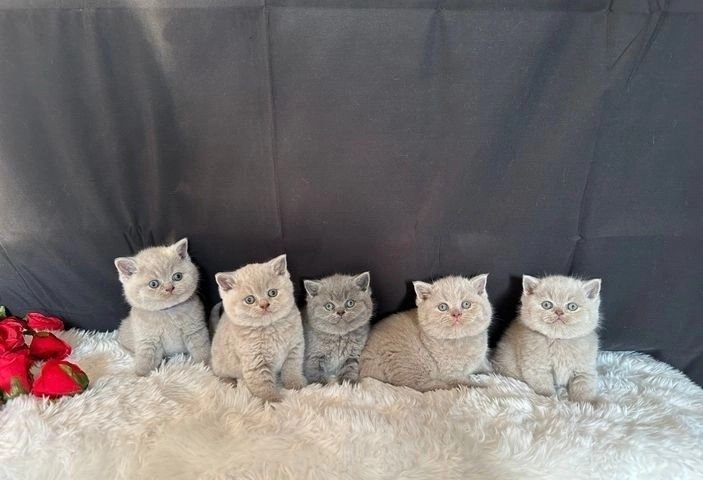
British Shorthair cats have gained immense popularity among American pet lovers for their charming demeanor and striking appearance. Known for their round faces, dense coats, and sturdy bodies, these cats are not only visually appealing but also possess a calm and affectionate personality that makes them ideal companions. Whether you are considering adding a British Shorthair to your family or are simply curious about the breed, this comprehensive buyer’s guide will provide you with essential information on their characteristics, care requirements, and important factors to consider before making a purchase. Dive into the world of British Shorthairs and discover whether this breed is the perfect fit for your lifestyle.
Overview of the British Shorthair Breed
History and Origin
The British Shorthair is the original feline companion of the United Kingdom, with a history that dates back to the Roman times. These cats were prized for their hunting skills, keeping homes and farms free from pesky rodents. Over time, they became beloved household pets and were showcased in cat shows starting in the 19th century. The breed’s robust and sturdy build, paired with a somewhat aloof yet affectionate demeanor, certainly accounts for their enduring appeal. Plus, who can resist those chubby cheeks?
Popular Varieties and Colors
When it comes to British Shorthair colors, variety is the spice of life! While the classic blue-gray is an undeniable crowd favorite, these felines come in a rainbow of hues including cream, black, white, and even color-point variations. And let’s not forget the tabby patterns that give these cats their distinctive flair. With such a wide assortment of colors and patterns, you can practically match one to every outfit in your wardrobe (seriously, no cat-left-behind policy here).
Key Characteristics and Traits
Physical Appearance
British Shorthairs are like the bodybuilders of the cat world. They sport a muscular build, broad face, and dense, plush coat that feels like a cloud made of coziness. Their round, copper-colored eyes give them an expressive and somewhat mysterious look, as if they’re pondering the meaning of life—or just waiting for you to refill their food bowl. With short, stocky legs and a thick tail, they truly are the teddy bears of the feline kingdom, just without that pesky stuffing.
Personality and Temperament
If you’re looking for a cat that’s equal parts loyal and independent, the British Shorthair is your jam! Known for their easygoing nature, these cats are affectionate but don’t require constant attention, making them perfect for busy pet lovers. They enjoy spending time with their humans but can just as easily entertain themselves—think of them as the introverted friend who likes to cuddle but also needs their alone time. You’ll often find them lounging about in sunspots or observing the world from a high perch with an air of dignified elegance.
Activity Level and Playfulness
While British Shorthairs aren’t known for their acrobatic feats, they do have a moderate activity level that keeps them in good shape. They enjoy interactive play sessions with toys—just be careful with feather wands; they might think they’ve caught a bird! A little daily exercise goes a long way in maintaining their health, but they also appreciate those quiet moments on the couch with you. Consider them to be more like the wise elder in the cat realm, opting for strategic bursts of activity over exhausting athleticism.
Health Considerations and Lifespan
Common Health Issues
Like all purebred cats, British Shorthairs are susceptible to specific health issues. One of the more common concerns is hypertrophic cardiomyopathy (HCM), a genetic heart condition. They can also face obesity due to their laid-back nature, so don’t let those adorable pleading eyes persuade you to overindulge them (even if they look extra cute doing it). Regular check-ups can help catch these potential problems early, ensuring your feline friend stays as healthy as their personality suggests.
Regular Veterinary Care
Routine veterinary visits are key to keeping your British Shorthair in tip-top shape. Annual check-ups, vaccinations, and dental cleanings are as essential as providing them with that gourmet cat food they just know you owe them. Establishing a good relationship with a veterinarian who understands the breed can help address any concerns early, allowing for a happier, healthier kitty that can focus on perfecting their lounging skills.
Life Expectancy
British Shorthairs typically enjoy a long and satisfying life, averaging between 12 to 20 years. This impressive lifespan speaks not only to their rugged genetics but also to the care they receive from their devoted humans. With proper attention to health, diet, and a sprinkle of love, your fluffy companion can stick around to provide joy and cat-like antics for years to come. Just think of all the memories you’ll create together—like the time they knocked over your favorite houseplant!
Choosing the Right British Shorthair: Where to Buy
Reputable Breeders vs. Adoption
When it comes to acquiring a British Shorthair, you can either go the route of a reputable breeder (who will ensure your new furry friend is healthy and well-socialized) or consider adopting from shelters. Both options have pros and cons. Breeders can provide breed health history and allow for more control over the specific traits you desire, while shelters might offer a warm-hearted rescue experience. Ultimately, it depends on your lifestyle, budget, and readiness for feline companionship.
What to Look for in a Breeder
If you choose to buy from a breeder, make sure you do your homework! Look for those who are registered and have good reputations within the cat community. A responsible breeder will be transparent about health testing and allow you to meet the kitten’s parents to gauge temperament. Also, be on the lookout for enthusiasts who genuinely love the breed, so you know they’ve nurtured their kittens in a safe and loving environment. A little research goes a long way!
Considerations for Adopting from Shelters
Adopting from a shelter can be a rewarding and fulfilling experience. When considering this option, be prepared to ask questions about the cat’s behavior and health history. You might not get a pedigree, but you can certainly gain a loyal companion with a personality all their own. Plus, you’ll have the satisfaction of giving a loving home to a cat in need. Shelter staff can usually help match you with a British Shorthair or a lookalike who’s just waiting to bring a little joy to your life.
Cost of Ownership: Initial and Ongoing Expenses
Initial Purchase Price
When considering a British Shorthair, be prepared to shell out a pretty penny. Depending on the breeder, you can expect to pay anywhere from $1,500 to $3,000 for a kitten. Factors like lineage, color, and whether it’s been sprinkled with a little extra love (a.k.a. show quality) can affect the price. Just remember, quality cats come at a quality price!
Monthly Care Costs
Once you’ve welcomed your fluffy friend home, ongoing expenses will kick in. Budget around $50 to $100 a month for food, litter, and preventive health care (like vet visits and vaccinations). If your British Shorthair develops a penchant for gourmet cat food, you may find your wallet weeping a little more. Toss in the occasional toy or scratching post, and you’ll be set for kitty happiness!
Unexpected Expenses
Ah, the joys of pet ownership! Just when you think you’re in the clear, unexpected expenses come knocking. Whether it’s an emergency vet visit, special dietary needs, or a penchant for chewed-up furniture, set aside a little fund for those “oops” moments. A good rule of thumb is to save at least $500 for unexpected kitty costs – because life and cats are both unpredictable!
Grooming and Care Requirements
Brushing and Bathing
British Shorthairs have that plush coat perfect for snuggling, but it still needs a little TLC. Aim for brushing them once a week to keep shedding in check and reduce hairballs. They aren’t fans of baths – who is? – but if they roll in something unsavory, a gentle wash with cat-friendly shampoo will suffice.
Nail Trimming and Ear Cleaning
Nail clippings might feel like an Olympic sport, but they’re necessary! Trim those claws every few weeks to keep them from turning into tiny daggers. As for ear cleaning, just peek in there occasionally. If you spot a little grime, a cotton ball with vet-approved cleaner should do the trick.
Feeding and Nutrition
A balanced diet is the cat’s meow for your British Shorthair. Look for high-quality cat food that lists meat as the first ingredient. Portion control is crucial; an adult will need roughly 1/2 to 1 cup of food daily, depending on their activity level. And please, resist the urge to share your pizza – cats aren’t fond of pepperoni nights!
Socialization and Behavior
Interacting with Other Pets
British Shorthairs usually have a laid-back demeanor, making them great companions for other pets. Their easygoing nature means they’re more likely to coexist peacefully with dogs and other cats, but don’t forget to supervise those initial meetings. A shared sunny spot is often the perfect peace treaty!
Training Tips for British Shorthairs
These cats are surprisingly intelligent and can be trained with patience and treats. Start with basic commands like “sit” and “high five.” Use positive reinforcement, and don’t be surprised if they look at you like you’re a magician. Consistency is key—practice makes purrrrfect!
Understanding Their Body Language
Get ready to become a cat whisperer! British Shorthairs are expressive little furballs. A slow blink is their version of a kiss, while a flicking tail can indicate annoyance. Pay attention to their vocalizations too—each meow can carry a different message. You’ll soon start decoding the intricate language of your new best friend!
Conclusion: Is a British Shorthair Right for You?
Assessing Your Lifestyle
Before you rush to the nearest breeder, take a moment to reflect on your lifestyle. British Shorthairs thrive in a calm environment and appreciate quality time with their humans. If you’re often out and about, you may want to reconsider—these furballs don’t take well to being lonely.
Final Thoughts on Ownership
Owning a British Shorthair can be one of the most rewarding experiences of your life. They blend love, charm, and a dash of sass. With the right preparation, attention, and a sense of humor, you might just find that this breed is purr-fect for you. So, go ahead, embrace the fluff!In summary, British Shorthair cats make wonderful companions for those who appreciate their unique charm and gentle nature. By understanding their care needs, health considerations, and social behaviors, you can make an informed decision about welcoming one of these delightful cats into your home. Whether you choose to adopt or buy from a breeder, the bond you form with a British Shorthair can bring joy and companionship for many years to come. Take your time, do your research, and enjoy the journey of finding the perfect furry friend.
FAQs
1. Are British Shorthair cats hypoallergenic?
No, British Shorthair cats are not considered hypoallergenic. While they may produce fewer allergens than some breeds, they still shed fur and dander that can trigger allergies in sensitive individuals.
2. How much exercise do British Shorthair cats need?
British Shorthairs are moderately active and benefit from daily playtime to stay healthy and mentally stimulated. Interactive toys and regular engagement with their owners can help meet their exercise needs.
3. Do British Shorthair cats get along with children and other pets?
Yes, British Shorthairs are known for their friendly and laid-back temperament, making them generally good companions for children and other pets. However, early socialization can help ensure positive interactions.
4. What is the average lifespan of a British Shorthair cat?
The average lifespan of a British Shorthair cat is typically between 12 to 20 years, depending on their overall health, genetics, and care received throughout their life. Regular veterinary check-ups can help ensure a longer, healthier life.