
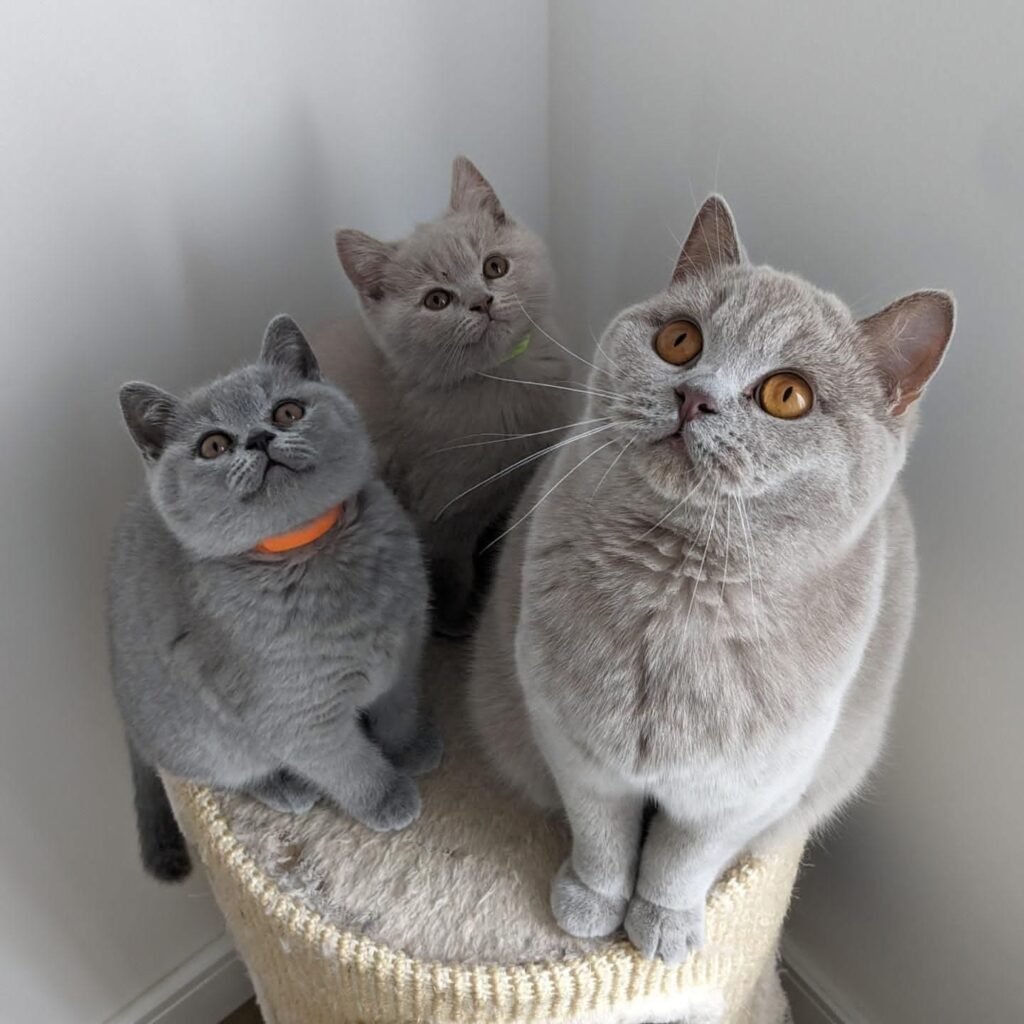
In recent years, the British Shorthair has emerged as one of the most beloved feline breeds in America, captivating cat enthusiasts with its charming personality and striking appearance. With their iconic round faces, plush coats, and calm demeanor, these cats have found a special place in the hearts of families and singles alike. As households increasingly seek companionship from furry friends, the British Shorthair’s adaptability and affectionate nature have contributed to its rising popularity across the country. In this article, we will explore the unique characteristics, temperament, and care needs of British Shorthairs, as well as their appeal in the diverse landscape of American pet ownership.
The Rise of the British Shorthair in America
Historical Background of the Breed
The British Shorthair’s roots can be traced back to the Roman Empire when they were brought to Britain as fearless mousers. With their stout bodies and plush coats, these felines quickly became beloved companions rather than just pest control agents. Fast forward a few hundred years, and they’ve become a symbol of British charm, popularized by artists, literature, and of course, the internet’s obsession with cute cat videos. Who could resist those adorable round faces and chubby cheeks? In recent years, American cat lovers have hopped on the British Shorthair bandwagon, turning this breed into a top contender in the feline popularity race.
Factors Contributing to Popularity
So, why have British Shorthairs captured America’s heart? Aside from their undeniable cuteness, they boast a low-maintenance lifestyle—goodbye, daily grooming battles! Their calm demeanor, coupled with an affectionate nature, makes them perfect lap companions for anyone needing a furry therapist. Plus, their growing presence on social media has made them the stars of countless memes and Instagram accounts, transforming these cats into bona fide celebrities overnight. It seems the world just can’t get enough of these cuddly companions!
Distinctive Features of the British Shorthair
Physical Characteristics
British Shorthairs are the definition of “cuddly chunk.” With their robust, muscular bodies, broad heads, and round faces, they look like walking teddy bears. Their dense, plush coats give them an almost cloud-like appearance, making them irresistibly squeezable. Standing on short, sturdy legs, they have big, round paws that are perfect for pouncing on unsuspecting toys (or your unsuspecting feet). And let’s not forget their mesmerizing, large round eyes that seem to hold a universe of curiosity within them—seriously, they could out-stare a statue!
Coat Colors and Patterns
When it comes to coat colors and patterns, British Shorthairs are like the fashionistas of the cat world. While the traditional blue (read: gray) is a fan favorite, they come in an array of hues: from golden and cream to chocolate and lilac. And let’s not overlook their stunning patterns—tabby, bicolor, and even colorpoint variations that would make any designer jealous! With such a diverse palette, there’s a British Shorthair to suit every preference—just like ice cream, but fluffier!
Temperament and Personality Traits
Calm and Affectionate Nature
If you’re looking for a cat that embodies the essence of chill, the British Shorthair is your go-to companion. Known for their calm demeanor, these cats can often be found lounging about, plotting their next cozy nap or silently judging your snack choices. They thrive on companionship and can form strong bonds with their humans, often following them around the house like adorable little shadows. Don’t be surprised if they decide your lap is the best seat in the house—because, honestly, it usually is!
Adaptability to Different Environments
One of the British Shorthair’s greatest traits is their remarkable adaptability. Whether you live in a bustling city apartment or a sprawling house in the suburbs, these cats adjust like pros. They’re not overly demanding and are content with a range of activities, from a lazy afternoon of sunbathing to an enthusiastic play session with their favorite toy mouse. This flexibility makes them ideal companions for families, singles, and anyone in-between—because who wouldn’t want a cat who can roll with the punches?
The Appeal of British Shorthairs for Families
Kid-Friendly Companions
Looking for a feline that’s as good with kids as it is with adults? Enter the British Shorthair! Known for their gentle and patient nature, these cats are wonderful for families with children. They’re less likely to scratch or hiss, preferring to engage in playful antics than run for cover. Plus, their sturdy build makes them resilient to the sometimes overbearing love and attention from little hands, ensuring that both kids and cats can coexist happily.
Compatibility with Other Pets
Worried about how your new British Shorthair will get along with your existing pets? Fear not! These sociable cats have a knack for fitting into multi-pet households. Their easygoing personality allows them to coexist peacefully with dogs, other cats, and even the family goldfish (though maybe keep an eye on that one). With a British Shorthair in the mix, family harmony is just a purr away!
Care and Maintenance: What to Expect
Grooming Needs
British Shorthairs flaunt their plush, dense coats, but don’t let that intimidate you! These feline fashionistas require regular grooming—about once a week should do the trick. A slicker brush or a de-shedding tool will keep their fur in tip-top shape and reduce that stray fur tumbleweed rolling through your living room. Plus, regular grooming can help you bond with your cat while keeping hairballs at bay. It’s a win-win!
Diet and Health Considerations
When it comes to diet, British Shorthairs aren’t overly picky, but they do appreciate high-quality food. Aim for a balanced diet that’s rich in protein (think chicken, turkey, and fish). These cats are prone to obesity, so portion control is key—no one wants a chunky kitty. Regular vet check-ups are essential, too, as British Shorthairs can be prone to certain genetic conditions. A healthy diet combined with your love and attention will help your feline friend live their best life!
Comparing British Shorthairs to Other Popular Breeds
British Shorthair vs. Exotic Shorthair
The primary difference between the British Shorthair and the Exotic Shorthair is like comparing a classic rock band to its jazzy cousin. While British Shorthairs sport that iconic plush coat, Exotic Shorthairs flaunt their luxurious, soft fur with a more laid-back vibe. Both breeds are friendly and affectionate, but British Shorthairs tend to be a bit more independent. So, if you’re looking for a cat that enjoys the spotlight but also appreciates their own space, the British Shorthair might just take the stage!
British Shorthair vs. Maine Coon
Maine Coons are the gentle giants of the cat world, while British Shorthairs are like the snug teddy bears. Maine Coons can be pretty large and require more grooming due to their longer fur, while British Shorthairs’ easy-care coats make them low maintenance (which is what we all want on a busy day, am I right?). Also, while both breeds have laid-back personalities, British Shorthairs tend to be a bit more reserved, whereas Maine Coons are often playful and energetic. So, if you’re all about that cozy companionship without the fluff overload, the British Shorthair could be your perfect match!
Adoption Trends and Availability in the U.S.
Where to Find British Shorthairs
If you’re ready to welcome a British Shorthair into your home, your first stop should be your local shelters and rescues. While purebreds can sometimes be hard to find, keep your eyes peeled for special listings or events like adoption fairs. You might snag a British Shorthair who’s looking for a forever home, and you’ll also be doing a good deed. If you’re not having luck at your local shelters, consider reputable breeders who focus on the cats’ health and temperament, but don’t forget to ask those essential questions—after all, you wouldn’t buy a car without checking the mileage!
The Role of Breeders and Shelters
Breeders and shelters each play a vital role in the world of pet adoption. Responsible breeders help preserve the breed’s integrity by ensuring genetic health and socialization—think of them as the matchmakers of the cat world. Shelters, on the other hand, give loving homes to cats in need, including those adorable British Shorthairs waiting for their second chance. The ideal scenario? Check both in your quest for your feline soulmate. Remember, whether from a shelter or a breeder, the key is to prioritize the cat’s well-being and ensure they come from a loving environment.
Conclusion: The Future of British Shorthairs in America
Long-Term Popularity Outlook
As American cat lovers increasingly fall head over heels for British Shorthairs, their popularity doesn’t seem to be waning anytime soon. With their charming personalities and stunning good looks, they’re likely to remain a favorite choice for cat enthusiasts. Plus, as more people learn about the breed’s easy-going nature and low-maintenance grooming, we can predict an uptick in huggable British Shorthairs prancing around living rooms across the country. If only they had a fan club!
Encouraging Responsible Ownership
While the British Shorthair is a delightful addition to any home, responsible ownership is crucial. This means understanding their care needs, committing to their health, and ensuring they live a fulfilling life. Consider adopting from shelters or reputable breeders, and always prioritize their well-being over aesthetics. After all, a well-loved British Shorthair will reward you with companionship, snuggles, and maybe even a purring serenade (because who doesn’t want a furry concert?). Let’s spread the love while ensuring these furry friends have the bright futures they deserve! As the British Shorthair continues to capture the affection of cat lovers throughout the United States, its combination of charm, adaptability, and striking features solidifies its status as a favorite among feline breeds..
Frequently Asked Questions
What is the average lifespan of a British Shorthair?
The average lifespan of a British Shorthair is typically between 12 to 20 years, depending on genetics, care, and overall health.
How much grooming do British Shorthairs require?
British Shorthairs have a dense coat that requires regular brushing, ideally once a week, to minimize shedding and prevent matting.
Are British Shorthairs good with children and other pets?
Yes, British Shorthairs are known for their calm and friendly demeanor, making them excellent companions for children and generally tolerant of other pets.
What should I feed my British Shorthair to ensure optimal health?
A balanced diet consisting of high-quality cat food, appropriate for their age and health needs, is essential for British Shorthairs. Consult a veterinarian for tailored dietary recommendations.