
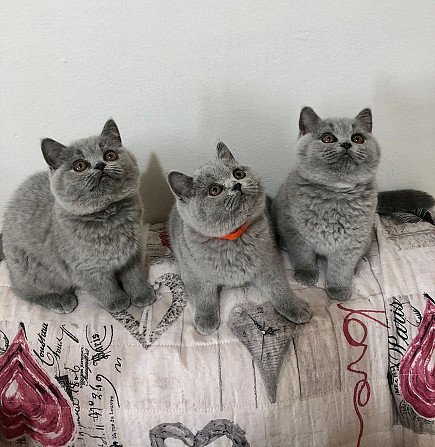
The British Shorthair is a breed that has captivated the hearts of cat lovers across America, earning a reputation as one of the most charming feline companions. With their plush coats, round faces, and endearing personalities, these gentle giants stand out in the world of pets. Originating from the UK, British Shorthairs have found a unique place in American households, thanks to their laid-back demeanor and affectionate nature. This article delves into the reasons why British Shorthairs are adored, exploring their distinctive features, temperament, care requirements, and cultural significance, ultimately highlighting what makes them a beloved choice for families and cat enthusiasts alike.
The Allure of British Shorthairs
A Brief History of the Breed
British Shorthairs have a lineage that reads like a captivating storybook. Originating in the UK, this breed can trace its roots back to ancient Rome, where they were likely favored for their mousing abilities. Over the centuries, they became a symbol of British culture, even gracing the pages of Lewis Carroll’s “Alice in Wonderland” through the enigmatic Cheshire Cat. By the late 19th century, they made their grand entrance into the cat fancy world, earning recognition and admiration for their sturdy build and charming personalities. Who knew a cat could have a history so rich it would rival a royal family?
The Rise in Popularity in America
Fast forward to the 21st century, and British Shorthairs are experiencing a surge in popularity across the pond in America. Thanks to their adorable looks and laid-back demeanors, they’ve captured the hearts of cat lovers nationwide. Social media has played a pivotal role, showcasing these purring beauties in countless viral posts, memes, and videos. It’s hard to resist those round faces and plush coats, leading to a veritable British Shorthair fan club popping up on every corner of the internet. Move over, Hollywood celebs! There’s a new star in town, and it’s purring.
Distinctive Features and Characteristics
Physical Appearance: Size, Coat, and Color
British Shorthairs are like the teddy bears of the cat world—if teddy bears could purr and had a penchant for mischief. They have a robust, muscular build that commands attention, with males typically weighing between 12 to 17 pounds and females ranging from 8 to 12 pounds. Their coat? Oh, it’s irresistibly plush, dense, and just begging to be petted. As for colors, you’ve got options galore! From classic blue-grey to variations of cream, tabby, and even color-point, there’s a British Shorthair to suit every palate. Just be careful: once you start petting, it’s hard to stop!
Unique Facial Structure and Expression
Let’s talk about those faces. British Shorthairs sport broad, rounded heads with chubby cheeks that seem perfectly designed for a cat-sized smile. Their big, round eyes can be copper, gold, or even blue, depending on the coat color. This unique facial structure not only gives them an endearing appearance but also an expression that seems to say, “I know I’m adorable, and I’m not afraid to flaunt it.” They have an uncanny ability to convey a range of emotions, from indifference (you know, the classic cat attitude) to unadulterated joy when it’s time to eat.
Temperament: The Gentle Giants of the Cat World
Playful Yet Laid-Back Nature
If you’re looking for a cat that embodies the perfect mix of playfulness and relaxation, look no further than the British Shorthair. These cats have a playful side, often enjoying a good game of chase with a string or laser pointer, but they also have a remarkable ability to chill out on the couch for hours. Think of them as the ultimate companion: always up for fun but equally content to take a catnap while you binge-watch your latest series. They’re the furry friends you’ll want by your side during both wild adventures and lazy afternoons.
Social Interactions with Humans and Other Pets
British Shorthairs are known for their affectionate nature, often forming strong bonds with their humans. They’re not the clingy type, rather, they enjoy being in the same room as you while maintaining their independence—kind of like that cool friend who’s always up for a hangout but is also fine doing their own thing. They usually get along well with other pets, too, making them excellent companions in multi-pet households. Prepare yourself for heart-melting moments as they interact with you and their furry siblings, showcasing their gentle disposition and charming personality.
Health and Care: Keeping Your British Shorthair Happy
Common Health Issues to Watch For
Like any celebrity, British Shorthairs have their share of health concerns to keep an eye on. Common issues include obesity, hip dysplasia, and heart conditions like hypertrophic cardiomyopathy. Regular vet check-ups are crucial to keep your feline friend in tip-top shape and ensure they continue to strut their stuff with pride. With proper care, you can enjoy the company of your British Shorthair for years to come, making sure their charm stays front and center!
Diet and Nutrition Guidelines
Feeding a British Shorthair is like planning a royal feast—balance is key! Focus on high-quality cat food that’s rich in protein to support their muscular build, while keeping an eye on portion sizes to prevent unwanted pounds. It’s wise to consult with your vet to create a diet tailor-made for your furry friend, considering their age, weight, and activity level. Treats are fine, but remember: moderation is crucial, unless you want your cat to resemble a fluffy marshmallow. And nobody wants that!
Grooming Needs and Tips
Grooming a British Shorthair is a straightforward affair—thankfully, they don’t require as much upkeep as some other breeds. A weekly brushing will help keep their luscious coat in check and reduce shedding, while maintaining that soft, plush feel we all adore. Bathing isn’t usually necessary unless they’ve had an unfortunate encounter with something sticky (after all, cats are known for their knack for finding trouble). Regular nail trimming and dental care round out their grooming routine, ensuring your cuddle buddy remains happy and healthy.
The British Shorthair in Popular Culture
Famous British Shorthairs in Movies and Media
British Shorthairs have made quite a splash in the film and television world, proving they’re more than just a pretty face. One of the most iconic examples is the orange British Shorthair, who played the role of the charming but lazy feline in the popular animated film “The Aristocats.” And let’s not forget about the suave Mr. Bigglesworth from the “Austin Powers” series—who knew a cat could have such a sinister yet stylish presence? These on-screen appearances have catapulted British Shorthairs into the realm of superstardom, leaving pawprints on the hearts of their audience.
The Breed’s Influence on Social Media
If you think British Shorthairs are just adorable in movies, wait until you see them on your Instagram feed! With their round faces and plush coats, these cats dominate social media with their irresistibly photogenic looks. Hashtags like #BritishShorthair and #FluffyButNotFluffy have millions of posts, showcasing everything from their aloof demeanor to their spontaneous playfulness. Influencers and cat enthusiasts alike have embraced these cats, creating a community where every scroll is met with a smile as a British Shorthair lounges royally on a velvet cushion or gazes pensively out the window. They’ve truly found their place as internet royalty!
Adoption and Finding Your Perfect Companion
Choosing Between Adoption and Breeding
When it comes to bringing a British Shorthair home, one of the first big decisions is whether to adopt or buy from a breeder. Adoption offers the chance to give a deserving rescue a second chance, often with a side of love and gratitude that you simply can’t put a price on. On the flip side, getting a kitten from a reputable breeder can provide health guarantees and background on the cat’s lineage. Ultimately, it’s about finding the right fit for your lifestyle and ensuring you’re ready to welcome a new furry family member into your heart (and home).
What to Look for in a Healthy Cat
Before you fall head over paws for that charming British Shorthair, it’s important to know what to look for to ensure you’re adopting a healthy companion. Keep an eye out for bright, clear eyes, a clean coat, and an overall active demeanor—unless, of course, they’re in one of their signature “box naps.” It’s also wise to inquire about any health screenings done by the breeder or shelter. A healthy British Shorthair will not only be a snuggly companion but will also be more likely to keep your life filled with chin scratches and delightful head bumps for years to come!
Comparative Breeds: What Makes British Shorthairs Stand Out
Contrasting with Other Popular Breeds
When placed alongside popular breeds like the Siamese or Maine Coon, the British Shorthair holds its own in the charm department. While Siamese cats might woo you with their vocal nature and talkative personality, British Shorthairs are known for their sweet, laid-back demeanor. They often prefer to observe their humans from a comfortable perch, like a true British aristocrat. And while Maine Coons are impressive with their gigantic size, British Shorthairs are compact yet mighty— with sturdy bodies that radiate strength and cuteness in equal measure.
Unique Advantages of Owning a British Shorthair
Owning a British Shorthair comes with a unique set of perks that make these cats particularly appealing. For starters, their calm and affectionate nature makes them wonderful companions for families or singles alike. They don’t require as much attention as some more demanding breeds, allowing you to enjoy their company while maintaining your sanity (and your plants!). Plus, with their exceptional adaptability, they can go from basking in the sun to navigating your chaotic schedule without a hitch. It’s safe to say that having a British Shorthair means you’ll have a furry friend who fits right into your life!
Conclusion: Embracing the Charm of British Shorthairs
Summarizing the Key Traits and Benefits
In summary, British Shorthairs are much more than just adorable faces. With their sturdy build, playful personalities, and charming quirks, these cats make for delightful companions. Their appearances in popular culture and social media showcase just how beloved they are, while their adaptability and laid-back nature ensure they fit seamlessly into any household. Whether you’re a seasoned cat owner or a newbie, welcoming a British Shorthair into your home promises to be a rewarding experience filled with purrs and cuddles.
Encouraging Responsible Ownership and Care
As you ponder bringing a British Shorthair into your life, remember that responsible ownership is key. This means considering adoption when you can, investing in their health and happiness, and providing them with a loving environment. After all, these charming cats are not just pets; they’re family members who deserve the best care you can provide. So, ready your lap and your home for the affectionate chaos that a British Shorthair will surely bring—it’s a choice you won’t regret!
FAQs
What is the typical lifespan of a British Shorthair?
The average lifespan of a British Shorthair is between 12 to 20 years, depending on factors such as genetics, diet, and overall care.
Do British Shorthairs require special grooming?
While British Shorthairs have a thick coat, they are relatively low-maintenance in terms of grooming. Regular brushing helps reduce shedding and keeps their coat healthy.
Are British Shorthairs good with children and other pets?
Yes, British Shorthairs are known for their friendly and adaptable nature, making them great companions for children and other pets when properly socialized.
What are common health issues associated with British Shorthairs?
Some common health issues include obesity, hypertrophic cardiomyopathy (heart disease), and certain genetic conditions. Regular veterinary check-ups can help manage these risks.