
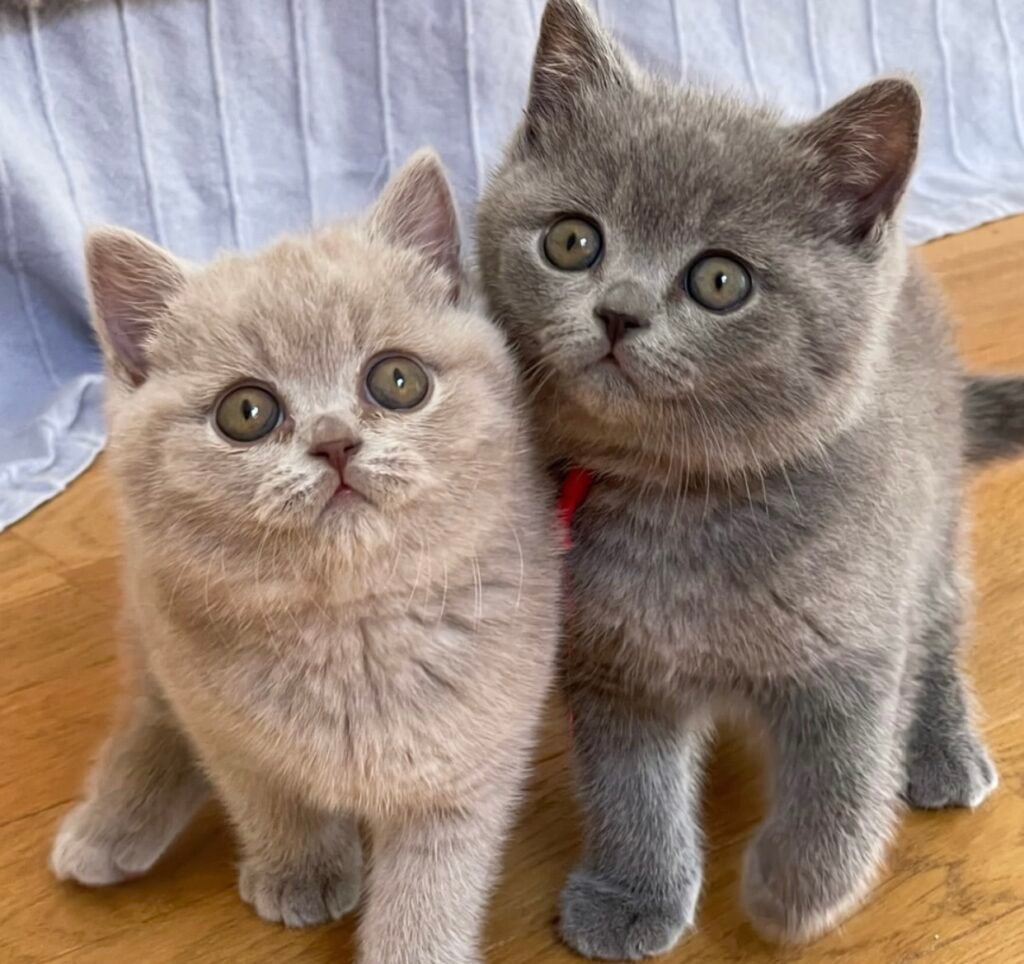
The British Shorthair, with its charming appearance and endearing personality, has firmly established itself as one of America’s favorite feline companions. Known for their round faces, plush coats, and strikingly calm demeanor, these cats have captivated pet lovers across the nation. But what is it about the British Shorthair that makes them so beloved? In this article, we will unlock the mystery behind this iconic breed, exploring their rich history, unique physical traits, personality quirks, and essential care needs. Whether you’re a seasoned owner or considering adding one of these delightful cats to your family, you’ll gain valuable insights into the world of the British Shorthair.
The History and Origins of the British Shorthair
Early Beginnings and Ancestry
The British Shorthair can trace its roots back to the Roman era when soldiers brought their sturdy cats to the British Isles. These ancestors were tough, adaptable hunters who roamed the countryside, keeping the rat population in check. Think of them as ancient feline pest control agents, without the fancy uniforms. Over centuries, they mingled with local wildcats, creating a unique breed that formed the cornerstone of today’s British Shorthair.
Development Through the Ages
Fast forward to the 19th century, when the British Shorthair began to emerge as a distinct breed. It was during this period that cat shows became the cat’s meow (pun intended), allowing breeders to showcase the charm of these chubby little furballs. The breed gained traction thanks to influential figures like Harrison Weir, who helped establish standards that shaped the British Shorthair into the loveable loaves of fluff we adore today.
Recognition and Popularity
By the early 20th century, the British Shorthair was officially recognized by cat associations, and its popularity soared. Their plump bodies and plush coats charmed countless families, especially in the UK. Not to mention, their role in pop culture—who could forget the iconic British Shorthair in the “Harry Potter” series? Their iconic status has only grown, making them a beloved breed not just in Britain, but across the pond in America as well.
Distinctive Physical Traits of the British Shorthair
Coat Color and Patterns
British Shorthairs are a dazzling array of colors and patterns, from the classic blue (which is basically grey but sounds fancier) to cream, chocolate, black, and even tabby and tortoiseshell variations. Their short, dense coat has a plush feel, reminiscent of a well-loved teddy bear. Talk about a cat you’d want to cuddle!
Body Structure and Size
These cats boast a sturdy build, with broad shoulders and a stocky body that showcases their heritage of being tough hunters. On average, they tip the scales between 9 to 18 pounds, depending on how many treats they’ve been sneaking. Their strong legs support a delightful roundness that many humans find hard to resist—like a living, breathing marshmallow.
Facial Features
British Shorthairs have that trademark round face, with big, expressive eyes that seem to see right through you—perhaps judging your snack choices. Their noses are short and broad, adding to their sweet, chubby-cheeked appearance. When they blink at you with those wide eyes, it’s like they have you wrapped around their adorable little paw.
Personality Traits: What Makes Them Unique
Temperament and Behavioral Patterns
Character-wise, you can count on the British Shorthair to be laid-back and easy-going. They embody the “chill cat” vibe, often content to lounge around while keeping an eye on their human subjects. While they possess an affectionate side, they won’t demand attention 24/7, making them perfect companions for both busy bees and relaxed couch potatoes.
Socialization and Interaction with Humans
British Shorthairs are known to form strong bonds with their humans, but they’re not the needy types. They appreciate quality time without being clingy, allowing you the freedom to, you know, live your life. Whether you’re reading a book or binge-watching a series, these cool cats will happily cozy up beside you, all while maintaining an air of dignified independence.
Compatibility with Other Pets
If you have other pets, the British Shorthair is generally a good fit. Their calm demeanor and adaptable nature make them quite welcoming to feline friends and tolerable towards dogs—unless it’s a hyperactive pup, then they might just give you a look that says, “You call this a pet?” They’re often the peacemakers of the pet world, bridging the gap between species with grace.
Care and Maintenance: Keeping Your British Shorthair Happy
Nutritional Needs
To keep your British Shorthair looking and feeling their best, it’s essential to provide a balanced diet rich in protein. They may have a hearty appetite (who could blame them, they’re fluffy!) but managing portion sizes is key to prevent unwanted weight gain. Look for high-quality cat food that suits their age and activity level, and remember, sharing your pizza is not an option!
Grooming Requirements
With their short, plush coat, British Shorthairs are relatively low-maintenance when it comes to grooming. A weekly brush will keep their coats looking pristine and reduce shedding (and the inevitable cat fur on your black pants). But, oh boy, they do love a good petting session, so consider them your personal fluff mop.
Exercise and Playtime
Despite their relaxed nature, British Shorthairs still need some playtime to stay fit and happy. Engaging toys, climbing towers, and the occasional laser pointer session will keep them entertained. Just remember not to get too competitive during play—those little paws can be quite sneaky! Regular exercise helps prevent the infamous “cat loaf” look, keeping your fluffball fit and fabulous.
Common Health Issues in British Shorthairs
Genetic Predispositions
British Shorthairs are like that friend who’s incredibly low-maintenance but occasionally shows up with a weird ailment. This charming breed can be prone to certain genetic health issues, including hypertrophic cardiomyopathy (HCM), a fancy term for an enlarged heart. They can also face challenges with their eyes and joints, so it’s wise to keep an eye out for anything unusual—think of it as being a detective rather than a hypochondriac. Regular vet check-ups can help you catch these conditions before they become a full-blown soap opera.
Regular Health Check-ups
Routine vet visits are the British Shorthair’s version of a spa day. Regular check-ups help maintain their health and can catch early signs of issues. Consider these appointments as preventative measures that are just as essential as their daily catnip fix. Whether it’s a quick weigh-in or a thorough examination, making it a habit will keep your feline friend feeling purr-fectly fine!
Signs of Common Ailments
Cats are notoriously good at hiding their ailments—like your friend who claims they love a particular movie but steers clear of watching it repeatedly. Look out for warning signs like changes in behavior, appetite, or litter box habits. If your British Shorthair starts acting like they’re auditioning for “Cats,” it might be time for a vet visit. Trust your instincts; if something seems off, don’t hesitate to check. Better safe than sorry!
Training Tips for New Owners
Basic Commands and Obedience
Training a British Shorthair can feel like trying to teach a cat how to play fetch—sometimes it works, sometimes it doesn’t. Start with simple commands like “sit” or “come,” but prepare for a lot of looks that say, “Do I look like your servant?” Use treats and patience—turn their favorite snack into a motivational tool. Remember, consistency is key; just because they ignore you at first doesn’t mean they won’t eventually come around.
Litter Box Training
When it comes to litter box etiquette, British Shorthairs are often naturals. However, they do prefer a clean and tidy box that’s not hidden away in a dark cave. Make sure the box is accessible and scoop it daily, unless you want to experience a feline revolt. Introduce them to the litter box early, and soon you’ll find that they’ve mastered the art of bathroom behavior, much like a distinguished gentleman.
Addressing Behavioral Issues
Every cat has quirks, but if your lovely British Shorthair starts acting like a fuzzy tornado, it’s time to intervene. Scratching furniture? Provide a scratching post that’s way more appealing than your couch. Excessive meowing? It might be their way of expressing their opinions on your choice of music. Positive reinforcement works wonders for correcting behavior. Remember, they’re not just cats; they’re furry little humans in disguise!
The British Shorthair in Popular Culture
Representation in Movies and Television
British Shorthairs have made their mark on the silver screen, often embodying the role of the wise and aloof feline. From animated features to quirky films, their round faces and plush coats have graced many a projector beam. Whether they’re in a cozy cottage or a grand mansion, they often play characters who are both endearing and enigmatic—much like your own British Shorthair.
Social Media Fame and Influencer Cats
In the age of influencers, British Shorthairs have taken social media by storm. With their photogenic looks and charming personalities, they’ve amassed legions of followers on platforms ranging from Instagram to TikTok. These furry influencers are masters of engaging content, from cute poses to hilarious antics. Watching them is like binge-watching your favorite series—once you start, you can’t stop!
Merchandise and Collectibles
The British Shorthair’s popularity has led to a plethora of merchandise, from plush toys to calendars. If you’ve ever fancied dressing your home in cat-themed décor, this breed has you covered. Whether it’s mugs sporting their delightful faces or artwork showcasing their iconic features, these collectibles are purr-fect for fans. Remember, a little cat love in your life can’t hurt—unless it’s in the form of hair on your favorite sweater!
Why the British Shorthair is America’s Favorite Feline
Adaptability to Different Lifestyles
The British Shorthair boasts an impressive versatility, making it a perfect match for various lifestyles. Whether you’re a busy professional, a stay-at-home cat parent, or a part-time couch potato, they adapt beautifully. They’re just as happy playing with a ball of yarn as they are engaging in a full-blown Netflix binge with you. Talk about the ultimate companion!
Affectionate yet Independent Nature
One of the most endearing traits of the British Shorthair is its affectionate yet independent spirit. They love to cuddle and enjoy your company but also have a knack for entertaining themselves! They’ll often sit beside you as you read or work, but they won’t hesitate to flip over and nap when you start to get a bit too chatty. It’s the best of both worlds—like having a best friend who also understands the value of alone time.
Enduring Popularity and Demand
The British Shorthair has held a special place in the hearts of cat lovers for centuries, and their timeless appeal shows no signs of waning. Their charming looks, sweet temperament, and low-maintenance care make them a favored choice across the nation. As demand continues to rise, it’s clear this breed has a magical quality that keeps them in the spotlight, warm and cozy in their place as America’s favorite kitty!In conclusion, the British Shorthair stands out not only for its distinctive looks but also for its loving and adaptable nature, making it a perfect companion for many households. Understanding their history, traits, and care requirements can enhance the bond between you and your feline friend. Whether you’re a longtime admirer or a new owner, embracing the unique qualities of the British Shorthair will undoubtedly lead to a rewarding and enriching experience. As you welcome this charming breed into your life, you’ll discover just why they have captured the hearts of so many across America.
Frequently Asked Questions
What is the typical lifespan of a British Shorthair?
The average lifespan of a British Shorthair is typically between 12 to 20 years, depending on their health, genetics, and overall care.
Are British Shorthairs good with children and other pets?
Yes, British Shorthairs are generally known for their calm and friendly temperament, making them great companions for children and other animals when properly socialized.
How often should I groom my British Shorthair?
Due to their dense coat, British Shorthairs should be groomed at least once a week to prevent matting and reduce shedding, especially during seasonal changes.
Do British Shorthairs require a special diet?
While British Shorthairs do not require a special diet, providing high-quality cat food tailored to their age and activity level is important to maintain their health and weight.