
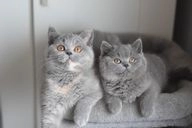
British Shorthairs are one of the most beloved cat breeds around the world, known for their distinctive appearance and charming personalities. With their round faces, dense coats, and robust builds, they have captured the hearts of feline enthusiasts and casual pet owners alike. But beyond their appealing looks, these cats have a rich history that dates back to ancient times, coupled with unique traits that make them a fascinating addition to any home. In this article, we will delve into the origins of the British Shorthair, explore their key characteristics, and provide essential care tips to ensure your feline companion thrives in a loving environment. Whether you’re a seasoned cat owner or considering adding a British Shorthair to your family, this guide will equip you with valuable insights into their care and companionship.
The Origins of the British Shorthair: A Historical Perspective
Early Beginnings in Britain
The British Shorthair’s roots can be traced back to ancient times, where they roamed the British Isles as sturdy, independent felines. These cats were the original pest controllers, keeping the rodent population in check on farms and ships. Their quiet presence and formidable hunting skills made them invaluable, and they quickly became a beloved companion on the misty countryside.
Influence of the Roman Era
Enter the Romans, who introduced their own breed of cats to Britain around 43 AD. These cats, with their impressive hunting skills, mixed with local species, paving the way for the distinct British Shorthair. The Romans may have intended to conquer Britain, but they inadvertently set the stage for feline royalty instead!
Development and Recognition as a Breed
By the late 19th century, the British Shorthair began to make a name for itself in cat shows, impressing judges and spectators alike with its robust build and gentle demeanor. The breed was officially recognized in 1871 at the first major cat show in London. Since then, these charming cats have become a staple of British culture and an adored breed worldwide.
Distinctive Traits of the British Shorthair
Physical Characteristics
British Shorthairs are the epitome of feline elegance, boasting a sturdy, muscular build and round faces that make them irresistibly cute. They have thick, plush coats, broad chests, and strong limbs. With their large, round eyes—often copper or blue—these cats can give you a look that says, “You are definitely going to feed me again, right?”
Coat Colors and Patterns
These cats are a colorful bunch! British Shorthairs come in a myriad of shades and patterns, from the classic blue-gray to cream, chocolate, and even tabby variations. You’ll find them sporting solid colors, bi-color, or even tortoiseshell patterns. It’s like a feline fashion show every time you spot one!
Comparative Size and Build
When it comes to size, British Shorthairs are on the heavier side, with males typically weighing between 9 to 12 pounds, and females around 7 to 10 pounds. Their broad bodies and short legs make them appear almost teddy bear-like. Spoiler alert: they might not win any races, but they’ll surely win your heart.
Understanding the Personality of British Shorthairs
Temperament and Behavior
British Shorthairs are known for their laid-back and friendly temperament. They embody the phrase “steady as she goes.” These cats are not overly demanding, preferring to lounge around and enjoy life at a leisurely pace. But don’t mistake their calm nature for a lack of affection; they are loyal companions who love to cuddle on your lap… once they deem you worthy.
Social Interactions with Humans and Other Pets
These social butterflies thrive on companionship but are also content being alone for a while. They get along well with children and other pets, often playing the role of the patient big sibling. Just make sure to introduce them gradually to avoid any feline drama, because no one wants a cat fight on their hands.
Activity Levels and Playfulness
While British Shorthairs enjoy a good play session, they are not as hyperactive as some other breeds. They appreciate interactive toys and the occasional spirited chase around the house, but they’re just as happy perched on a sunny windowsill, napping the day away. Think of them as the couch potatoes of the cat world—adorably lazy, with bursts of energy sprinkled throughout the day!
Health Considerations for British Shorthairs
Common Health Issues
Like all breeds, British Shorthairs have some health quirks to keep an eye on. They can be prone to obesity (thanks to that “if it fits, I sits” mentality), heart issues, and hip dysplasia. Regular check-ups with the vet are crucial to catch any potential problems early, ensuring your furry friend stays fit and fabulous.
Regular Veterinary Care
Routine vet visits should be part of your cat care strategy. Your British Shorthair will need vaccinations, dental check-ups, and the usual blood tests. Think of it as a spa day for your kitty—less pampering, more poking and prodding, but for their health, it’s worth it!
Genetic Considerations
Genetics can be a mixed bag, and British Shorthairs are no exception. Responsible breeders will conduct health screenings to reduce the risk of hereditary conditions, so do your research and choose wisely when looking to add one of these charming cats to your family. After all, you want a cat that’s as healthy as it is adorable!
Grooming and Maintenance Tips
Brushing Techniques and Frequency
British Shorthairs have that plush, teddy bear-like coat that makes you want to squeeze them—gently, of course. To keep their fur looking fabulous, aim to brush them once a week. Use a slicker brush or a metal comb to catch loose hairs and minimize those surprise fur tumbleweeds rolling across your floor. If you want to pamper your kitty, consider adding a grooming glove to your routine; they love the extra attention and it’s like a kitty massage!
Nail Care and Ear Cleaning
Keeping your British Shorthair’s nails trimmed is essential, not just for the sake of your furniture, but for their health too! Trim their nails every 2-3 weeks, and always make sure you’re not getting too close to the quick—let’s keep the bloodshed to a minimum. As for ear cleaning, check their ears weekly for dirt or wax, and use a damp cotton ball or a vet-approved cleaner if needed. Your cat may give you that classic “Why are you touching my ears?” look, but they’ll thank you later.
Bathing Recommendations
Good news! British Shorthairs are generally good at self-cleaning, so regular baths aren’t usually necessary. However, if they’ve decided to roll in something less than savory—hello, mud puddle!—a bath may be in order. Use a gentle cat shampoo, and remember to rinse thoroughly; nobody likes that soapy feeling. Try to keep bath time chill—talk to them sweetly and perhaps tempt them with treats for good behavior.
Nutrition and Diet for Optimal Health
Choosing the Right Food
When it comes to food, think high-quality, protein-packed, and delicious. Look for cat food that lists meat as the first ingredient—because, let’s face it, your British Shorthair is basically a tiny feline lion. Dry kibble is great for their teeth, but a mix of wet food can keep them hydrated and happy. Always consult your vet for recommendations based on their age, weight, and activity level.
Feeding Schedules and Portion Control
Creating a feeding schedule is key to maintaining your kitty’s perfect portliness—yes, we all adore a round cat, but not all-round! Aim for two meals a day, dividing their total daily food intake according to their needs. Follow the feeding guidelines on the food packaging, but adjust according to your cat’s activity level. If they’ve suddenly turned into a couch potato, you might need to cut back on the kibble a smidge.
Monitoring Weight and Health
Keep an eye on their waistline! Regularly check their weight and body condition. You should be able to feel their ribs without a struggle, and they shouldn’t have a “one solid mass” look from the side. Regular vet check-ups are a must—don’t worry, they won’t judge you for those extra treats you’ve been sneaking!
Creating a Comfortable Environment for Your British Shorthair
Indoor vs. Outdoor Living
British Shorthairs often thrive indoors, where they can bask in the safety of your home, away from potential predators and road hazards. If you want to let them experience the great outdoors, consider building a secure catio—or as we like to call it, a cat paradise! It’s the perfect compromise between adventure and safety, allowing your feline friend to enjoy fresh air while keeping their nine lives intact.
Essential Supplies and Accessories
Ensure your home is equipped with all the essentials: a cozy bed (preferably with an orthopedic option because, let’s be real, they’ll love to nap), litter boxes (one per cat plus one extra), scratching posts, and toys to keep them entertained. Don’t forget that British Shorthairs love to watch the world go by, so a cat tree by a window is a must-have for their inner squirrel-chasing lion!
Safe Spaces and Enrichment Activities
Cats love to have their own hidey-holes, so provide your British Shorthair with safe spaces like cat tunnels, boxes (who doesn’t love a good box?), or even a designated cat cave. For enrichment, consider interactive toys, puzzle feeders, or even regular play sessions with feather wands. This keeps their minds sharp and their bodies fit—after all, they need to stay in shape for all that serious lounging.
Common Myths and Misconceptions about British Shorthairs
Debunking Popular Myths
One myth that needs busting: British Shorthairs are grumpy loners. Not true! While they may have an air of aloofness, these cats can be quite affectionate and love being around their humans—especially if it involves snacks. They simply appreciate their space when they’re not busy being the life of the party!
Clarifying Care Needs
Another misconception is that their grooming needs are minimal due to their short hair. While they don’t require daily brushing, regular grooming is still essential to keep their coats healthy. They won’t magically maintain their fluffiness on their own—after all, they’re not little fluff wizards!
Understanding Breed Misunderstandings
Lastly, people often assume that British Shorthairs are lazy cats. Sure, they might enjoy a good snooze, but these cats are surprisingly playful and can be quite the little acrobats when the right toy comes into play! Remember, every cat has a personality all its own, and your British Shorthair might just surprise you with their zest for life!In conclusion, the British Shorthair is a remarkable breed that combines beauty, charm, and a laid-back personality, making them a wonderful companion for many households.
Frequently Asked Questions
1. How long do British Shorthairs typically live?
British Shorthairs generally have a lifespan of 12 to 20 years, depending on their health and care.
2. Do British Shorthairs require special grooming?
While their dense coat does need regular brushing to minimize shedding, they are relatively low-maintenance compared to long-haired breeds.
3. Are British Shorthairs good with children and other pets?
Yes, British Shorthairs are known for their gentle and friendly nature, making them great companions for children and other pets.
4. What is the best diet for a British Shorthair?
A balanced diet that includes high-quality cat food, tailored to their age and health needs, is essential for their overall well-being. Regular consultations with a vet can help determine the best dietary plan.