
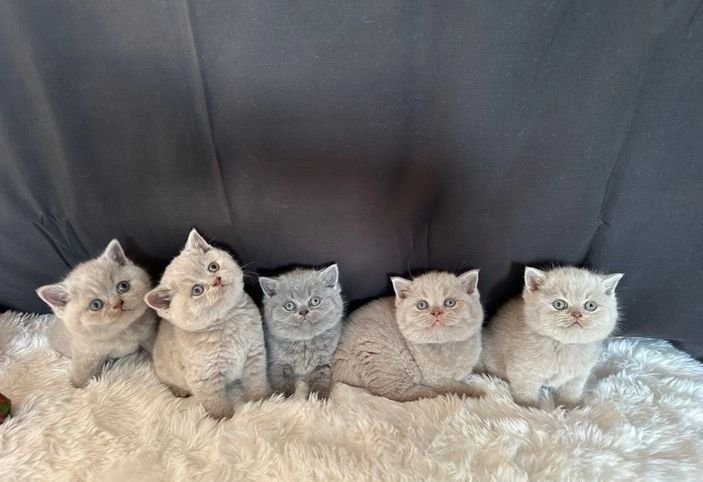
Bringing a British Shorthair into your home is an exciting journey filled with love and companionship. Known for their distinctive round faces, plush coats, and charming personalities, these cats make wonderful companions for families and individuals alike. However, preparing for a new feline friend requires careful planning and the right supplies to ensure their health, happiness, and well-being. This ultimate shopping list will guide new cat parents through the essential items needed to create a safe, comfortable, and enriching environment for their British Shorthair, allowing you to focus on building a loving bond with your new pet.
Understanding the British Shorthair Breed
Origin and History
The British Shorthair is as British as a cup of tea and a rainy day. This delightful breed traces its roots back to ancient Rome when it was brought over as a practical mouser. Over the years, it evolved into the fluffy companion we know and love today. With its charming round face and plush coat, the British Shorthair has won the hearts of pet lovers around the globe, becoming a staple in cat shows since the late 19th century.
Physical Characteristics
The British Shorthair is like a plush toy that you can’t resist hugging. They boast a stocky build, strong legs, and a broad chest, making them look like little furry bodybuilders. Their round faces feature chubby cheeks and big, captivating eyes that come in various colors, ranging from deep copper to striking blue. Their short coat is dense and plush, giving them an adorable teddy bear appearance. Just don’t squeeze them too hard—no one likes a squashed cat!
Temperament and Personality Traits
If you’re looking for a cat that strikes the perfect balance between independent and affectionate, look no further. British Shorthairs are known for their easygoing nature. They enjoy their human company but also appreciate some alone time (like when you’re binge-watching yet another TV series). They often have a calm demeanor and are great with kids and other pets, making them the life of any living room party. Just remember, they have their own minds—good luck trying to convince them to follow commands!
Essential Supplies for Your New Cat
Basic Cat Supplies Checklist
Before welcoming your new furry friend home, make sure you have the basics covered. Here’s a list that will have you feeling like a seasoned cat parent: a litter box and litter, food and water dishes (no, your old cereal bowls won’t cut it), a scratching post (to spare your furniture), toys for entertainment, and, of course, a cozy bed (because every cat deserves a throne). Once you have these essentials, you’ll be ready to roll!
Choosing the Right Cat Carrier
When it’s time for travel—whether it’s a trip to the vet or a vacation (that does not involve your cat)—a reliable cat carrier is essential. Go for one that is well-ventilated and sturdy, with a door that opens easily (because wrestling a cat into a carrier is not on anyone’s bucket list). Make sure it’s spacious enough for your British Shorthair to turn around in, but compact enough to avoid a game of hide-and-seek at the vet’s office.
Choosing the Right Food and Nutrition
Types of Cat Food: Dry, Wet, and Raw
When it comes to cat food, you’ve got options! Dry food, or kibble, is convenient and helps keep your cat’s teeth clean. Wet food can entice the pickiest of eaters and keeps them hydrated. Then there’s raw food, which some cat enthusiasts swear by for increasing natural energy and shine. Just remember, whatever you choose, ensure it’s high-quality and fits your cat’s lifestyle—after all, you wouldn’t want your British Shorthair to get any ideas about becoming a feline food critic!
Understanding Nutritional Needs
British Shorthairs don’t just nap all day; they need balanced nutrition to fuel their daily adventures (which, let’s face it, mostly involve napping). Look for cat food that’s rich in protein and designed for their age and activity level. It’s the feline equivalent of a well-rounded diet—think lean meats, healthy fats, and vitamins galore. And if you notice your kitty eyeing your dinner plate, remember: some human food is not cat-approved!
Feeding Schedule and Portion Control
Establishing a feeding schedule is as crucial as ensuring you don’t forget the cat treats (that’s blasphemy!). Most adult cats thrive on two meals a day, but make sure to measure portions to prevent the dreaded “fluffy” cat syndrome. Obesity is a common issue in cats, especially with British Shorthairs, so keep those treats in check—unless it’s their birthday, of course. In that case, let the celebration begin!
Essential Health Care Items
Regular Veterinary Check-ups
To keep your British Shorthair purring happily, don’t forget about regular vet visits. These check-ups are essential for monitoring their health and catching any issues early. It’s like a spa day, but with less pampering and more probing. Ensure to stay on top of vaccinations and discuss any concerns with your vet—they’ll guide you through your cat’s health adventures.
Vaccination and Preventative Care
Vaccinations protect your kitty from common diseases, so think of them as your British Shorthair’s superhero cape. Make sure you follow your vet’s vaccination schedule and consider adding preventative treatments for parasites like fleas and ticks. After all, no one wants their cat to become a carrier of unwanted house guests!
First Aid Kit Essentials
Every cat parent should have a first aid kit at the ready. You won’t need a full-blown ER, but keep basic supplies like bandages, antiseptic wipes, and scissors handy for those little mishaps. You can also throw in a digital thermometer—because knowing if Fluffy has a fever might save you from a surprise vet visit. Don’t forget to include a quick reference guide for emergencies, because, let’s face it, panic is not the best time to Google.
Comfort and Enrichment: Toys and Accessories
Best Toys for British Shorthairs
British Shorthairs might look composed and dignified, but deep down, they’re playful little furballs. Invest in a mix of interactive toys like feather wands, laser pointers, and sturdy balls that can withstand their paws’ ambushes. Puzzle toys are also a winner; they engage their minds and keep them occupied while you sip your tea. Just remember, if it makes a mess, you might need to don your cleaning hat (or just a willing partner) afterward.
Scratching Posts and Cat Trees
Every British Shorthair needs a throne—preferably one that can withstand a bit of a “royal” scratching. Look for sturdy scratching posts and cat trees that can handle their hefty frames. It doesn’t hurt to throw in a cozy perch or two for optimal napping. After all, what’s a cat without a proper spot to survey their kingdom? Plus, this keeps your furniture safe from those little claws—your sofa will thank you.
Interactive Playtime Ideas
Cats are basically furry comedians, and the best way to keep their act fresh is through interactive play. Try creating a DIY obstacle course using boxes and tunnels, or even incorporate some hide-and-seek with their favorite toy. Engaging them in daily play not only keeps them fit but also strengthens your bond. And watch out for those surprise pounces—they might just leap right into your heart!
Grooming Tools for British Shorthairs
Brushing and Coat Care
With that plush coat, British Shorthairs are basically living teddy bears, but they do require some grooming love. A good quality slicker brush is a must for keeping their coat shiny and free of loose hairs. Aim for a weekly brushing session—it’s a perfect excuse to bond and maybe convince them to tolerate your Netflix binge-watching while you brush. Just be prepared for a whole lot of fluff!
Nail Trimming Essentials
Nail trimming might sound daunting, but it doesn’t have to be a scene from a horror movie. Invest in a good pair of cat nail clippers and maybe a treat or two for motivation. Aim to trim their nails every couple of weeks to keep those claws in check. Trust us, your furniture (and your skin) will thank you. And if all else fails, there are professional groomers who can help—everyone needs a little backup!
Bathing and Cleaning Supplies
Bathing a British Shorthair is not quite like washing a dog—it’s more like convincing a small plush avalanche to cooperate. While they generally keep themselves pretty clean, having a gentle cat shampoo on hand can be useful for occasional grooming emergencies. A soft washcloth and a spray bottle of water can also work wonders for tidying up any sticky situations (or fur disasters). Just remember, it’s as much about the journey as the destination—good luck!
Safety and Security for Your Home
Creating a Cat-Proof Environment
British Shorthairs are curious cats, and that’s part of their charm! But this means you might want to conduct a mini home audit. Hide away any tempting cords, toxic plants, and breakables that could turn into a ‘cat-astrophe.’ Use safety latches on cabinets to keep your feline explorer safe from anything that might resemble a snack. Your cat might be a royal, but their sense of adventure can lead to mischief!
Safe Spaces for Your Cat
Every cat deserves a sanctuary, and it’s best to designate a few safe spaces where your British Shorthair can chill. Think cozy beds tucked away in quiet corners or nearby sunny spots—they love to soak in some rays while contemplating life. This gives them a place to retreat if they feel overwhelmed by all the huggable humans in the house. Just be ready to find them napping in the oddest of places!
Preparing Your Home for a New Cat
Designating a Safe Space
Before your new feline friend arrives, set aside a cozy, quiet zone filled with their essentials—bed, litter box, and toys. This will be their safe haven when they first arrive, as new environments can be a bit intimidating. Think of it as the cat equivalent of a “chill zone” where they can decompress and plot their next move… like a ninja on a mission!
Introducing Your Cat to the Family
When it comes to introducing your new British Shorthair to the rest of the household, slow and steady wins the race. Use a baby gate or closed door to let them get accustomed to the sounds and smells of their new home. Gradually allow family members to meet them, with treats in hand to make the introductions feel less like a royal decree and more like a warm welcome. A little patience goes a long way!
Establishing a Routine
Cats thrive on routine, and setting one up can help your British Shorthair feel more secure in their new digs. Regular feeding times, play sessions, and even grooming can create a comforting rhythm. Plus, it helps to prevent any surprise wily behavior. And let’s be honest, a little predictability in life is always welcome—unless it’s on Monday morning.In conclusion, equipping yourself with the right supplies and knowledge is key to ensuring a smooth transition for your British Shorthair into your home. By following this shopping list and keeping their unique needs in mind, you will create a nurturing environment where your new feline friend can thrive. Enjoy the journey of pet parenthood, and cherish the joyful moments that come with sharing your life with a British Shorthair.
FAQ
What type of food is best for a British Shorthair?
A balanced diet with high-quality protein is ideal for British Shorthairs. Look for cat food that lists meat as the primary ingredient and is specifically formulated for their age and health needs. Both dry and wet food can be included, but consult your veterinarian for personalized recommendations.
How often should I groom my British Shorthair?
British Shorthairs have dense coats that benefit from regular grooming. Brushing them once a week is typically sufficient to remove loose hair and prevent matting, while also helping to minimize shedding around your home.
Do British Shorthairs require special health care?
Like all breeds, British Shorthairs need regular veterinary check-ups, vaccinations, and preventative care. It’s important to monitor their weight, as they can be prone to obesity, and keep an eye on dental health.
How can I help my British Shorthair adjust to a new home?
To help your British Shorthair adjust, create a quiet and safe space for them to explore at their own pace. Allow them to acclimate gradually, provide familiar items like blankets or toys, and establish a consistent routine for feeding and playtime to build their confidence.