
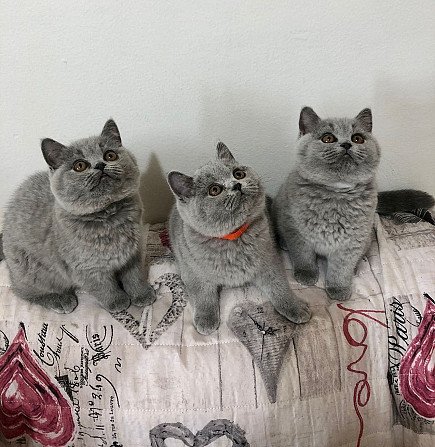
The British Shorthair is a beloved breed known for its distinctive round face, plush coat, and calm demeanor. As a cat owner, ensuring your British Shorthair stays happy and healthy is of utmost importance. These affectionate companions thrive in environments that cater to their physical and emotional needs. From understanding their unique temperament to providing proper nutrition and regular vet checkups, there are several key aspects to consider when caring for your feline friend. In this article, we will explore effective strategies to help you create a fulfilling life for your British Shorthair, ensuring they enjoy every moment of their time with you.
Understanding the British Shorthair Temperament
Characteristics of the Breed
British Shorthairs are like the friendly giants of the cat world—stocky, sturdy, and with a calm demeanor. They possess a unique blend of independence and affection, often being described as laid-back lap cats who enjoy your company but aren’t overly demanding. With their big round eyes and plush, dense coats, they exude an air of dignified charm, making them the royalty of the feline kingdom. They’re not the type to leap onto the kitchen counter for mischief; rather, they prefer to observe you from a throne-like height.
Common Behavioral Traits
These cats are known for their easygoing nature, which makes them excellent companions. They’re typically sociable without being clingy, and they love to engage with their humans, albeit on their own terms. British Shorthairs tend to be quite vocal—but don’t expect a cacophony of meows; their communication style is more of a refined “excuse me, could you pass the treats?” They also appreciate a solid routine, so don’t be surprised if they remind you when it’s dinner time like a fluffy little alarm clock.
Essential Nutrition for Your British Shorthair
Choosing the Right Food
When it comes to food, think of it as royal cuisine for your British Shorthair. A high-quality, protein-rich diet is essential for their muscular build. Look for dry kibble or wet food that lists meat as the first ingredient. Avoid cheap fillers like corn and soy, unless you’re trying to turn your cat into a grain-fed hipster. Consider their age and activity level when selecting a formula—kittens, adults, and seniors all have different dietary needs, after all.
Portion Control and Feeding Schedule
Overindulgence is the enemy, and trust us, those round faces can easily become round bellies if you’re not careful. Aim for two meals a day, spreading out their portions to keep them satisfied without the risk of obesity. Consult your vet for guidelines on portion sizes specific to your cat’s weight and activity level. You wouldn’t want to be that cat parent who has to roll their furball down the street because they can’t make it to the litter box!
Importance of Hydration
Hydration is key, and we’re not talking about a fancy cat spa day (though that sounds heavenly). Cats can be tricky drinkers, so incorporating wet food into their diet helps increase their water intake. Also, consider investing in a pet water fountain—those glimmering streams of water are hard for a British Shorthair to resist. Just think of it as a never-ending waterfall of joy!
Regular Exercise and Playtime Activities
Types of Toys and Activities
Despite their laid-back demeanor, British Shorthairs need regular exercise to stay healthy. Think of them as couch potatoes who must occasionally be coaxed off the sofa. Interactive toys, such as feather wands and laser pointers, can spark their interest. Puzzle toys stuffed with treats can also stimulate their minds while keeping them entertained. Just be careful not to engage in a game of laser tag on the first floor—you might find yourself in need of an unplanned home renovation!
Creating a Playful Routine
Consistency is key to keeping your cat active. Set aside time each day for play sessions—this not only provides exercise but also strengthens your bond. Aim for at least 15-30 minutes of playtime a day, and don’t forget to mix it up! Rotate toys and introduce new activities now and then. Your British Shorthair will thank you with purring and perhaps a little head-butting—cat speak for “you’re the best!”
Grooming and Maintenance Tips
Brushing and Coat Care
Grooming a British Shorthair isn’t just a chore; it’s an opportunity for quality bonding time! With their short, dense fur, these cats require brushing once or twice a week to remove loose hair and prevent mats. Use a gentle brush to avoid turning them into a spiky porcupine. Plus, regular grooming helps you keep an eye on their skin and overall health. A well-groomed cat is a happy cat (and a happy cat results in fewer fur tumbleweeds at home).
Nail Clipping and Ear Cleaning
Nail maintenance may not be a favorite activity for your kitty, but it’s essential for their health. Trim their nails every couple of weeks to prevent overgrowth and potential issues. As for ear cleaning, a gentle wipe with a soft cloth or a vet-recommended cleanser can help keep their ears in tip-top shape. Just remember: the best time to do this is when your cat is feeling sleepy and snuggly—not while they’re plotting their escape!
Dental Health Practices
Good dental hygiene is crucial for your British Shorthair’s health. Brush their teeth regularly with cat-friendly toothpaste—no human minty freshness allowed! If your cat isn’t into the idea of toothbrushes, dental treats and toys can help keep their teeth clean. Regular dental check-ups with your vet will also keep their pearly whites shining and healthy. Plus, who doesn’t want a kitty with a dazzling smile?
Health Checkups and Preventive Care
Vaccination Schedule
Ensuring your British Shorthair is up-to-date on vaccinations is paramount. Typically, your feline friend should receive core vaccines by the age of 16 weeks, with booster shots given annually. These vaccines will protect them from common threats like feline panleukopenia and calicivirus. Don’t forget the optional ones for lifestyle risks, such as the feline leukemia vaccine if they’re venturing beyond the safety of your kingdom (a.k.a. your living room).
Common Health Issues in British Shorthairs
British Shorthairs are generally sturdy critters, but they can face some health challenges. Be on the lookout for hip dysplasia, heart disease, and obesity (yes, those adorable belly rolls can lead to issues). Regular check-ups and monitoring their weight can help you keep your cat in tip-top shape. Remember, a healthy cat is a happy cat—and a happy cat is much more likely to grace you with their presence instead of just the back of their head.
Signs Your Cat Needs a Vet Visit
Sometimes, our furry companions can’t tell us when something’s amiss—aside from that unsettling stare that seems to scream “Help!” If your British Shorthair exhibits any of the following signs, it’s time to make a trip to the vet: loss of appetite, lethargy, sudden weight loss or gain, excessive grooming, or changes in litter box habits. Essentially, if your cat suddenly acts like they’ve entered the Witness Protection Program, it’s best to get them checked out.
Creating a Safe and Stimulating Environment
Indoor vs. Outdoor Living
While every cat dreams of being the next feline explorer, British Shorthairs are best suited for indoor living. They may not have the street smarts of a city cat, and their slightly lazy disposition means they’re more likely to greet a squirrel with a yawn than a hasty chase. Keep them indoors to ensure their safety from traffic, predators, and that suspiciously large garbage can that always seems to be around.
Safe Spaces and Hiding Spots
Every cat needs their personal space, and British Shorthairs are no exception. Create cozy spots where they can hide, snooze, or plot world domination. Think cat trees, window perches, or even simple boxes. Cats love hiding, and having a designated area will make them feel secure. Plus, it allows them to prepare for their next nap like the royalty they are.
Enrichment Ideas for Your Home
Boredom can lead to mischief (and several broken household items). Keep your British Shorthair entertained with toys that stimulate their hunting instincts, such as feather wands, laser pointers, or interactive puzzles that dispense treats. Rotate their toys regularly to keep things fresh, much like your Netflix queue—no one wants to binge the same show forever!
Socialization and Bonding with Your Cat
Understanding Your Cat’s Communication
British Shorthairs may not be the most vocal of breeds, but they certainly have their ways of communicating. Pay attention to their body language—slow blinks mean love, while a twitching tail could indicate they’ve reached their limit. Understanding these subtle cues can strengthen your bond and ensure you’re on the same page. Remember, they’re not just cute fluffballs; they’re also little furry philosophers.
Building Trust and Affection
Building a relationship with your British Shorthair takes time and patience. Spend quality time with them through gentle petting sessions, playtime, and quiet companionship. Treats can help, but the real key is respect for their space and personality. Let them come to you when they’re ready; after all, who wouldn’t want to be pursued by a royal?
Recognizing Signs of Stress or Illness
Behavioral Changes to Watch For
Cats are masters of disguise when it comes to their feelings, so be alert to any changes. If your British Shorthair suddenly becomes more withdrawn, aggressive, or stops using the litter box, it’s a clear flag that something’s wrong. Stress can manifest as excessive grooming or changes in eating habits. Stay observant, and you’ll become a pro at reading your kitty’s mood.
When to Seek Professional Help
If you notice any concerning changes in your cat’s behavior that linger longer than a couple of days, it’s time to consult your vet. Don’t wait for your furry friend’s subtle signs to escalate into something more severe. The sooner you address any potential issues, the better the outcome. Remember, a health-conscious cat is more likely to stay on your lap, purring contentedly, instead of calling an emergency meeting with their attorney. By following the guidelines outlined in this article, you can promote a happy and healthy lifestyle for your British Shorthair. Remember that each cat is unique and may have specific preferences and needs. Taking the time to understand and cater to your pet’s requirements will not only strengthen your bond but also enhance their overall well-being. With love, care, and attention, your British Shorthair can lead a fulfilling life filled with joy and companionship.
Frequently Asked Questions
What is the average lifespan of a British Shorthair?
The average lifespan of a British Shorthair is typically between 12 to 20 years, depending on factors like genetics, diet, and healthcare.
How often should I groom my British Shorthair?
British Shorthairs generally require grooming once a week to keep their coat healthy and free of loose hair, though more frequent grooming may be necessary during shedding seasons.
What type of diet is best for a British Shorthair?
A high-quality, balanced diet that includes protein-rich foods is best for British Shorthairs. Look for cat food specifically formulated for their age and health needs.
How can I tell if my British Shorthair is happy?
Signs of a happy British Shorthair include playful behavior, a relaxed body posture, purring, and seeking out affection from their owner.