
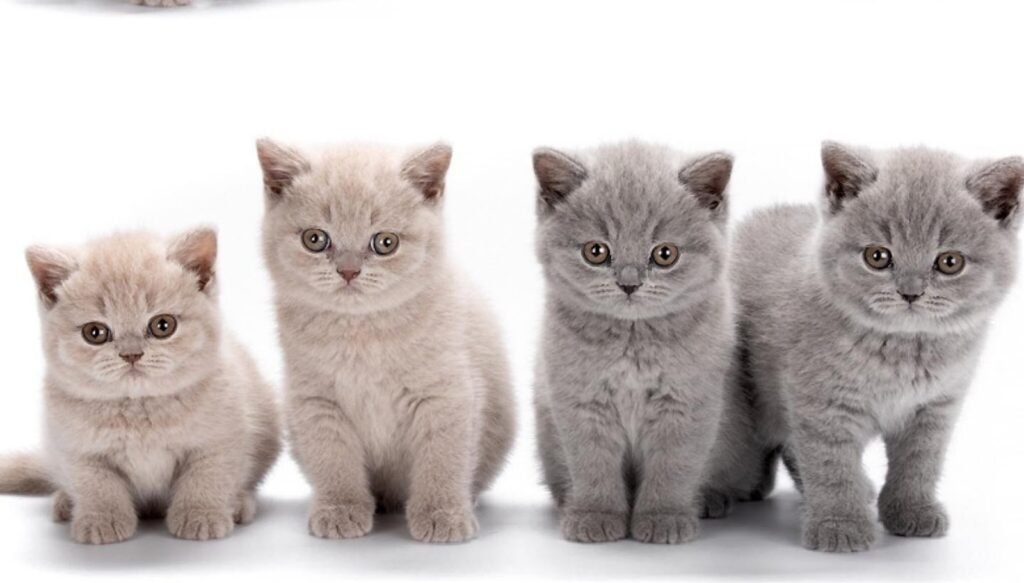
The British Shorthair, known for its plush coat and endearing round face, has quickly become one of the most sought-after cat breeds in American households. With their gentle temperament and striking appearance, these cuddly companions are winning the hearts of cat lovers across the nation. As more families seek a furry friend that balances playfulness with a calm demeanor, the British Shorthair stands out as an ideal choice.
Introduction to British Shorthairs: A Growing Trend in American Homes
Overview of the Breed’s Popularity
British Shorthairs have quickly become the hottest ticket in town for feline aficionados across the U.S. Once a niche breed, these plush, round-faced fluff balls have pounced their way into the hearts of many, thanks in part to their adorable looks and charming personalities. Social media is buzzing with pictures of British Shorthairs lounging in sunny spots or indulging in snuggles, making it hard to resist their cuddly charm. Their increasing presence in American homes speaks volumes about their adaptability and the joy they bring to families.
Reasons for Their Rising Demand
What’s fueling the British Shorthair craze? It’s a combination of their irresistible looks, famously laid-back nature, and that iconic chunky build. They’re essentially the teddy bears of the cat world! As more people seek companions that fit into busy lifestyles, the British Shorthair’s easygoing demeanor and minimal grooming needs make them an attractive choice. Plus, with their rich history and a touch of British charm, adopting one feels like bringing a bit of royal flair into your home—without the high tea and fancy hats.
Characteristics of British Shorthairs: The Cuddly Companion
Distinct Physical Traits
When it comes to looks, British Shorthairs are the cats that check all the boxes. They boast a strong, stocky structure, with broad shoulders and a dense, plush coat that’s begging to be pet. Their round faces are complemented by big, expressive eyes that come in various colors, making them look perpetually adorable. And let’s not forget those chubby cheeks—they’re like the cat version of a baby’s face. With their sturdy build and charming appearance, they are undeniably one of the most photogenic breeds around.
Temperament and Behavior
British Shorthairs are the epitome of chill. Their laid-back attitude means they’re often happy to join you for a lazy day on the couch or entertain themselves while you tackle that never-ending list of chores. Known for their gentle and friendly demeanor, these cats are not the “in your face” type; rather, they are incredibly sociable without being overly needy. They enjoy spending time with their human pals but won’t mind if you leave them to their own devices for a bit.
The History and Origin of British Shorthairs
Ancient Roots and Development
The British Shorthair has quite the fascinating history that dates back to ancient Rome. These cats were brought to Britain to combat pesky rodents and soon became beloved for their hunting skills. Over centuries, they evolved into the robust and fluffy companions we know today. With roots intermingling with various breeds, they’ve been shaped by the landscapes of Britain, adopting that charming look and personality that makes them so special. It’s like they’ve been perfecting their craft for ages, and now they’re ready for their star moment!
Recognition by Cat Associations
As their popularity soared, cat associations began to take notice. The British Shorthair was officially recognized by the Governing Council of the Cat Fancy (GCCF) in the late 1800s, which cemented its status as a distinctive breed. Subsequent recognition by various international cat organizations further propelled its fame, leading to British Shorthairs becoming favorite contenders at cat shows worldwide. These accolades haven’t just boosted their reputation; they’ve also helped establish standards that ensure our cuddly companions remain just as delightful for generations to come.
Personality Traits: Why They’re Perfect for Families
Affectionate Nature
British Shorthairs are known for their affectionate nature, forming strong bonds with their human companions. They’re the type of cat that will curl up on your lap, purring contentedly as if to say, “Yes, this is my throne.” Their gentle demeanor makes them wonderful companions for families of all shapes and sizes—whether you’ve got rambunctious kids or are simply a cat-loving couple looking for a cuddle buddy.
Adaptability to Different Environments
These cats are the champions of flexibility! British Shorthairs fit into various living situations with ease, whether you live in a sprawling house or a cozy apartment. They’re perfectly content to lounge on a windowsill, soak up the sun, or have a spirited play session with a feather toy. Their calm nature helps them adjust to new environments and routines, making them the ultimate family pets that can roll with the punches—just as any good cat should!
Care and Maintenance: Keeping Your British Shorthair Happy
Diet and Nutrition
Feeding your British Shorthair the right diet is like giving them a five-star meal every day—without the Michelin star costs. These chubby-cheeked wonders thrive on high-quality cat food rich in protein. Look for options with real meat as the first ingredient, and don’t forget to control those portions. A well-fed British Shorthair is a happy British Shorthair, but remember, we’re aiming for “cuddly” not “round like a tennis ball.”
Grooming Requirements
If your British Shorthair could talk, they’d probably say, “I have luxurious fur, and I demand a royal grooming session!” Thankfully, grooming is pretty low-maintenance. A weekly brushing will keep their dense coat looking sleek and fabulous and minimize shedding (your vacuum cleaner will thank you). Bonus: it’s also a purring good time for both you and your kitty!
Health Considerations
Like all cats, British Shorthairs come with their own set of potential health quirks. Keep an eye out for heart issues like hypertrophic cardiomyopathy (yes, that’s a mouthful). Regular vet check-ups will help catch any problems early. And while their plush appearance is adorable, it’s essential to monitor their weight, as they can be prone to obesity. After all, nobody wants a British Shorthair who can’t fit through their own cat door.
Adoption vs. Buying: What to Consider
Benefits of Adopting a British Shorthair
Adopting a British Shorthair means you’re not just gaining a pet; you’re potentially saving a life! Shelters often have lovely British Shorthairs looking for their forever homes, and adopting means fewer cats in shelters. Plus, adoption fees are typically far less than buying from a breeder, so you’ll have extra cash for those fancy toys (or catnip). Remember: a rescue cat is an extra-special cat!
Finding Reputable Breeders
If you decide to go the breeder route, do your homework. Reputable breeders are like the unicorns of the cat world—they’re out there, but you need to know where to look. Look for breeders who prioritize health testing and have a genuine love for their kitties. Don’t be shy: ask questions about their breeding practices, meet the kittens’ parents, and check reviews. Your future British Shorthair deserves the best start in life.
The Impact of British Shorthairs on American Cat Culture
Social Media Influence
In the world of social media, British Shorthairs reign supreme. With their round faces and plush bodies, they’ve taken Instagram by storm, racking up followers faster than you can say “purr-fect.” Their adorable antics and quirky personalities have made them internet celebs, inspiring countless memes, GIFs, and fan accounts. It’s a fluffy revolution, and who wouldn’t want to join the cuddle cult?
Representation in Popular Media
British Shorthairs have clawed their way into popular media, making appearances in movies, cartoons, and even literature. From their iconic roles in animated features to memes that have gone viral, these cats are everywhere—making them the “it” breed of the moment. They’re not just pets; they’re cultural icons, making us all question why our own kitty isn’t quite as photogenic.
Conclusion: The Future of British Shorthairs in the U.S.
Predictions for Continued Popularity
As the British Shorthair’s charm continues to spread across American homes, it’s safe to say their popularity is poising itself for a cozy future. With their laid-back demeanor and adorable faces, we can expect these feline companions to be in demand for years to come. They might just become the go-to breed for cat lovers looking for a furry friend—and I, for one, am here for it!
Final Thoughts on Ownership and Responsibility
Owning a British Shorthair is a delightful adventure, but it comes with its responsibilities. These loving cats require time, attention, and care—all the things that make them great companions. If you’re ready to step into the role of a British Shorthair owner, prepare for snuggles, laughs, and a whole lot of purring. So, grab your catnip, and let’s roll out the red carpet for your new furry friend! In conclusion, the British Shorthair’s charm, gentle nature, and adaptability make it a wonderful addition to any home.
Frequently Asked Questions
What is the average lifespan of a British Shorthair?
The average lifespan of a British Shorthair is typically between 12 to 20 years, depending on factors such as genetics, diet, and overall care.
Are British Shorthairs good with children and other pets?
Yes, British Shorthairs are known for their friendly and calm temperament, making them excellent companions for children and other pets.
How much grooming do British Shorthairs require?
British Shorthairs have a dense coat that benefits from regular brushing, ideally once a week, to reduce shedding and keep their fur healthy.
Do British Shorthairs have any common health issues?
While generally healthy, British Shorthairs can be susceptible to certain genetic conditions, such as hypertrophic cardiomyopathy (HCM) and obesity, so regular veterinary check-ups are important.