
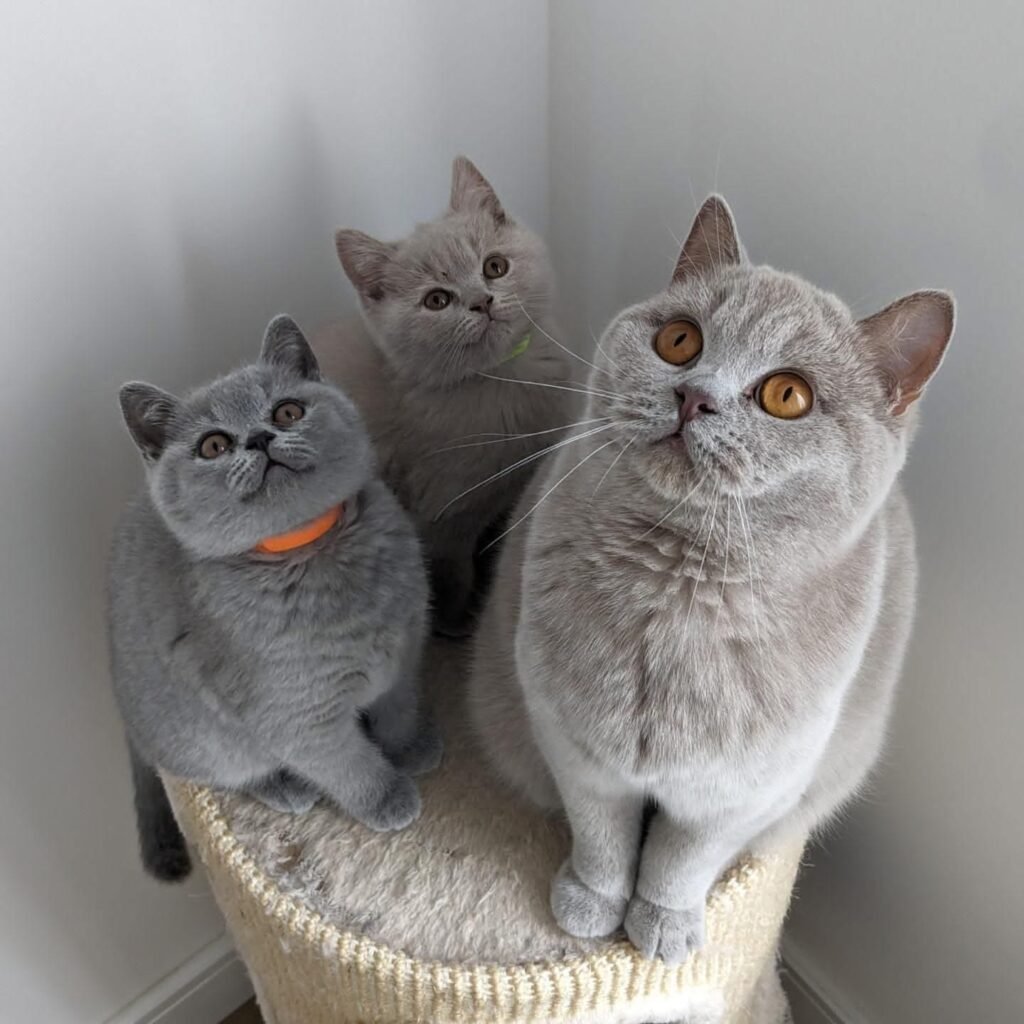
Caring for a British Shorthair involves understanding their unique needs to ensure they live a healthy and happy life. Known for their distinctive round faces and plush coats, these cats possess a charming personality that makes them beloved companions. However, proper care goes beyond just providing food and shelter; it encompasses nutrition, grooming, health check-ups, and creating a stimulating environment. In this guide, we will explore essential tips and best practices for nurturing your British Shorthair, helping you to foster a strong bond and ensure their well-being.
Understanding the British Shorthair Breed
History and Origin
The British Shorthair has a storied past that dates back to the Roman Empire when they were thought to be the feline companions of the Romans, helping to keep those pesky rodents at bay. Fast forward to the late 19th century, and they became a popular breed in cat shows. With their charming round faces and dense coats, they’ve secured a place in the hearts of cat lovers everywhere—much like a cozy cup of tea on a rainy day.
Physical Characteristics
These cats are the definition of “cuddly powerhouse.” With a sturdy build, broad chest, and legs that resemble little pillars of fluff, they’re not just cute; they’re compact and resilient. Their plush, dense coat comes in a variety of colors, but the classic blue-gray is the poster child of the breed. Those big, round eyes will look at you as if they’re pondering the meaning of life—or maybe just waiting for you to refill their food bowl.
Temperament and Personality Traits
British Shorthairs are the zen masters of the cat world—calm, laid-back, and incredibly affectionate. They enjoy a good cuddle session but are just as happy to lounge around alone while you binge-watch your favorite series. While they’re not confrontational, they have a curious streak that may lead them to investigate your every move (especially if it involves food). Their easy-going nature makes them great companions for families and individuals alike.
Essential Nutrition for Your British Shorthair
Choosing the Right Food
When it comes to feeding your British Shorthair, quality trumps quantity. Look for high-protein cat food with real meat listed as the first ingredient. Avoid anything that sounds like it belongs in a chemistry lab—cats are not walking science experiments. Tailor their diet to their age and activity level, and don’t forget to consult your vet for the best options!
Portion Control and Feeding Schedule
Portion control is key if you want to avoid a “fluffy” British Shorthair. Measure out their food according to the recommended guidelines on the bag (no, you can’t use your eyeball as a measuring tool). Establish a feeding schedule to create routine—most cats thrive on consistency. Twice a day is a good starting point; just remember: no sneaking them extra treats, or you might end up with a feline heavyweight champion.
Dietary Supplements and Treats
While a balanced diet is crucial, sometimes your kitty might need a little extra love in the form of supplements, especially if they’re aging gracefully. Omega-3 fatty acids can support a shiny coat, and glucosamine can keep those joints moving smoothly. Just make sure to vet your choices with your veterinarian, and don’t overload them with treats—think of them as tiny rewards, not their full-time meal plan!
Grooming Tips for a Healthy Coat
Brushing Techniques
Though British Shorthairs don’t require a full spa treatment every week, regular brushing is essential to keep their coat healthy and reduce shedding. Aim for at least once a week with a slicker brush or a rubber grooming mitt—think of it as a mini massage for your furry friend. Plus, it’s a great way to bond and sneak in some quality cuddle time!
Bathing Frequency and Methods
Bathing should be a rare event in your cat’s life, as too much water might elicit some serious disdain (and potential scratches). However, if your British Shorthair gets into something particularly sticky, use a mild cat shampoo and warm water. Just remember the golden rule: have a towel handy and prepare for a wet, furry tornado post-bath!
Nail Clipping and Ear Cleaning
Keeping those claws in check is essential. Trim your British Shorthair’s nails every couple of weeks to avoid turning your home into a scratching post. For ear cleaning, use a gentle pet-safe cleaner and a cotton ball, but don’t go digging around like you’re on a treasure hunt. If the ears look dirty often, consult your vet for advice—they’re the experts in feline ear etiquette!
Creating a Safe and Stimulating Environment
Indoor vs. Outdoor Living
While the great outdoors may look appealing, keeping your British Shorthair indoors can help keep them safe from dangers like cars, predators, and other furry foes. If you want to spice up their indoor life, consider building a catio or using harness training to enjoy outdoor time while staying safe. Just remember, not all cats are born adventurers—some prefer the cozy confines of your couch!
Essential Cat Furniture and Toys
A well-furnished home for your British Shorthair is key to keeping them entertained. Invest in a cat tree that resembles a multi-story apartment complex, complete with scratching posts and cozy napping nooks. Toss in some interactive toys, like feather wands or laser pointers, to unleash their inner hunter. After all, a bored cat is a mischievous cat—a recipe for trouble!
Safety Hazards to Avoid
As a responsible cat parent, it’s crucial to cat-proof your home. Keep toxic plants (looking at you, lilies) and harmful substances out of reach. Secure loose wires and cords to prevent any “cat meets electrocution” incidents. Also, make sure windows and balconies are safe for curious climbers. Remember, a little precaution goes a long way in preventing feline misadventures!
Regular Health Check-ups and Veterinary Care
Vaccination Schedule
Keeping up with your British Shorthair’s vaccination schedule is crucial for their health. Generally, your fluffball should receive their initial vaccines (like feline distemper, calicivirus, and rabies) around 6-8 weeks old, followed by boosters every 1-3 years, depending on your vet’s advice. It’s a good idea to schedule an annual check-up. Think of it as a spa day—just without the cucumber slices on the eyes.
Common Health Issues in British Shorthairs
British Shorthairs are generally robust, but they’re not invincible. Keep an eye out for common issues like obesity (they love their food, don’t they?), heart disease, and hip dysplasia. Regular vet visits can help catch these problems early. Remember, a happy cat is a healthy cat, and nobody wants a grumpy cat on their hands.
Signs Your Cat Needs Veterinary Attention
Your cat can’t exactly yell, “Take me to the vet!” but they do communicate. Look for signs like lethargy, loss of appetite, excessive grooming, or any unusual behavior—like suddenly deciding the top of the refrigerator is their new throne. If you notice any red flags, it’s better to err on the side of caution and book that vet appointment.
Understanding Behavioral Traits and Socialization
Building a Bond with Your Cat
Building trust with your British Shorthair is like cultivating a fine wine—patience is key. Start with gentle petting, engaging play, and a few tasty treats. Spend quality time together (even if it means sharing your lap while they nap) to foster a loving relationship. Over time, your cat will learn that you’re their human and not just a food dispenser.
Socialization with Other Pets and People
British Shorthairs can be a bit sassy when it comes to their social circles. Gradually introduce them to other pets and family members. Think of it as a slow dance rather than a mosh pit. This cat breed tends to be more independent, so allow them to take the lead. Before you know it, they’ll be ruling the house alongside their furry companions.
Recognizing Stress and Anxiety
Even the chillest cats can experience stress. Look out for signs like hiding, excessive meowing, or an unexpected bout of “zoomies” at 3 a.m. Changes in their environment, like moving furniture or new family members, can also ruffle their fur. Keep their space safe and predictable to help them feel secure. After all, a relaxed cat is a happy cat.
Exercise Needs and Playtime Activities
Importance of Physical Activity
Just like us, British Shorthairs need regular exercise to stay fit and avoid those extra treats turning into extra rolls. Aim for at least 20-30 minutes of play each day. Incorporating a mix of chase, pounce, and climb will keep them agile and prevent their inner couch potato from coming out.
Engaging Toys and Games
Ditch the boring toys and opt for engaging ones that make your cat’s heart race. Think feather wands, laser pointers, and interactive treat puzzles. Your living room will turn into a feline amusement park! Rotate their toys regularly to keep things fresh—because who wants to play with last week’s fish-shaped toy?
Creating a Play Routine
Consistency is key. Establish a play routine that fits both your schedule and your cat’s energy levels. Set aside dedicated playtime—maybe right after breakfast or before bed—so your cat knows when to expect those epic chase sessions. It’ll help channel their energy and strengthen your bond. Plus, you’ll both be tired enough to enjoy that well-deserved nap afterward!
Tips for a Happy and Stress-Free Home
Establishing a Routine
Cats thrive on routine—much like how I thrive on coffee. Feeding times, play sessions, and cuddle hours should follow a consistent schedule. This helps your British Shorthair feel secure in their environment and can cut down on any unexpected surprises (like a midnight cat marathon).
Handling Changes in the Environment
Moving furniture or welcoming a new family member? Ugh, major adjustments! When changes happen, give your cat extra attention and comfort. Provide safe spaces where they can retreat if needed. Remember, your goal is to make them feel like the king or queen of their castle, no matter what.
Ensuring Comfort and Security
Create cozy spots around the house, like plush beds or warm blankets, where your British Shorthair can curl up and feel safe. Hide those stress-inducing loud noises (like construction sounds or the vacuum monster) as best you can! It’s all about making your home a sanctuary for your feline friend, where they can nap, play, and reign supreme.In conclusion, caring for a British Shorthair requires attention to their specific needs and a commitment to enhancing their quality of life. By following the guidelines outlined in this article, you’ll not only ensure your feline friend remains happy and healthy but also deepen the bond you share. With the right nutrition, grooming, and socialization, your British Shorthair will thrive in your home, bringing joy and companionship for many years to come.
FAQ
How often should I groom my British Shorthair?
It is recommended to groom your British Shorthair at least once a week to prevent matting and reduce shedding, although more frequent grooming may be beneficial during seasonal changes.
What is the best diet for a British Shorthair?
A balanced diet that includes high-quality protein, moderate fat, and essential nutrients is ideal. Look for cat foods specifically formulated for their age, size, and activity level.
How much exercise does a British Shorthair need?
British Shorthairs are generally low-energy cats, but they still require regular playtime and mental stimulation. Aim for at least 15-30 minutes of interactive play each day to keep them active and engaged.
Are British Shorthairs prone to any health issues?
Yes, British Shorthairs can be prone to certain health issues, such as obesity, heart disease, and dental problems. Regular veterinary check-ups and a healthy diet can help mitigate these risks.