
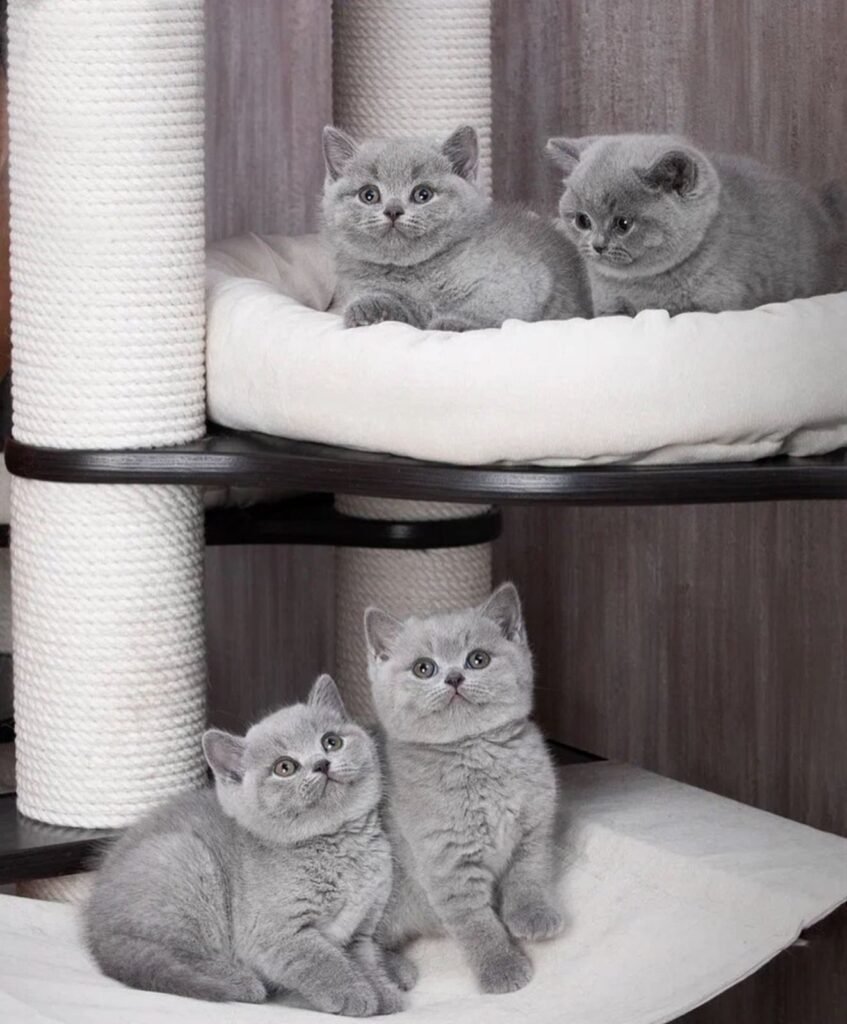
Bringing home a British Shorthair cat can be an incredibly rewarding experience, filled with companionship and joy. Known for their distinctive round faces, plush coats, and gentle temperament, these cats are a beloved choice among pet lovers. However, as with any breed, there are specific considerations and preparations that new cat owners should keep in mind to ensure a smooth transition for both the pet and the family. This article provides essential tips and insights for those looking to adopt a British Shorthair, helping you create a loving and nurturing environment for your new feline friend. Whether you are a first-time cat owner or adding to your existing furry family, understanding the unique needs and characteristics of this breed will set you on the path to a fulfilling relationship with your new companion.
Understanding the British Shorthair Breed
History and Origins
The British Shorthair has a history as rich as a fine cuppa. Believed to have descended from the cats that roamed with the Romans, they’ve been around long enough to have mastered the art of lounging. Originally bred for their hunting prowess, these fluffy felines have transitioned into being one of the most adored pets in the UK, thanks to their charming looks and personality.
Physical Characteristics
With their plush, dense coats and chunky bodies, British Shorthairs look like they were born to star in a cat food commercial. They’re medium to large-sized cats, with broad faces, round eyes (often copper or blue), and those adorable chubby cheeks that make you want to pinch them. Let’s not forget their sturdy legs and thick tails—these cats are built like mini tanks, just cuter.
Temperament and Personality Traits
If you’re looking for a kitty with personality, you’ve hit the jackpot! British Shorthairs are known for their calm and collected demeanor. They’re not your typical “in-your-face” cats, preferring to observe you from a distance (or on a perch) before deciding it’s time for a cuddle session. Their friendly and easy-going nature makes them great companions, and they tend to get along well with kids and other pets… as long as they get their fair share of attention!
Preparing Your Home for a New Cat
Cat-Proofing Your Space
Before your new furry friend arrives, you’ll want to make your home as cat-friendly as possible. This means securing loose wires, tucking away toxic plants, and ensuring that any fragile items are out of harm’s way. Think of it as preparing an elaborate fortress—one that happens to be swarming with fluffy mischief.
Designating a Safe Area
Every royal needs a throne room! Create a designated area where your British Shorthair can feel safe and secure. This could be a cozy corner with a comfy bed, a few toys, and some scratching posts. It’s their personal retreat, away from the hustle and bustle of your daily life—and yes, they’ll likely grant you permission to enter occasionally.
Choosing the Right Environment
British Shorthairs thrive in a loving, calm environment. Ensure you have plenty of cozy nooks, sunny spots for lounging, and vertical spaces for climbing (because climbing is next-level lounging). A diverse environment will keep their curiosity piqued and their little brains engaged. Essentially, your mission is to turn your home into a kitty paradise!
Choosing the Right British Shorthair Kitten
Finding a Reputable Breeder or Shelter
When it comes to finding your new kitty, you want to do it right. Look for reputable breeders who prioritize health and temperament, or consider adopting from shelters. Word of mouth is golden; ask around, read reviews, and remember that a wonderful kitty can come from unexpected places, including your local animal rescue.
What to Look for in a Healthy Kitten
A healthy kitten is a happy kitten! As you meet potential new furry friends, look for bright eyes, shiny coats, and an energetic spirit. Check for signs of any health issues, like sneezing or a pot-belly—these are red flags. And don’t be shy about asking the breeder or shelter staff questions; they’re there to help you make the right match!
Understanding Kitten Development Stages
Kittens are like little sponges; they soak up everything around them! Understanding their development stages can help you foster their growth. From the curious, playful antics of the early weeks to the calmer, more deliberate behaviors of adulthood, each stage is filled with quirks and cuteness. Knowledge is power—and it can help you navigate the delightful chaos of kittenhood!
Essential Supplies for Your British Shorthair
Food and Water Bowls
Invest in sturdy, non-tip food and water bowls—because your British Shorthair could easily mistake a flimsy bowl for a fun toy. Stainless steel or ceramic bowls are great options, as they’re easy to clean and won’t harbor bacteria. Let’s be honest, though; it’s really about keeping that cosmic cuteness fed and hydrated!
Cat Litter and Litter Boxes
Choose a litter that suits both your new feline and your nose. Clumping, unscented litter tends to be a favorite among many kitties. You’ll also want a litter box that’s easy to access but provides privacy—so maybe skip putting it next to the family buffet. Trust me, nobody wants a litter box in their dining room.
Scratching Posts and Toys
Scratching posts are essential for saving your furniture from becoming an impromptu cat claw buffet. Look for sturdy options that can withstand the mighty scratch of your British Shorthair. Toss in a variety of toys—think feather-wands, balls, and interactive toys—to keep them entertained. After all, a busy kitty equals a happy kitty, and let’s face it, a happy kitty means less trouble for you!
Nutrition and Feeding Guidelines
Choosing the Right Cat Food
When it comes to feeding your British Shorthair, quality matters more than a fancy label. Look for high-protein, low-carb food—this isn’t a cat version of comfort food, folks! Whether you opt for dry kibble or wet food, ensure it meets AAFCO standards. A mix of both can keep mealtime interesting (and help with any fussy eater tendencies). Bonus points for grain-free options—your kitty’s tummy will thank you!
Portion Control and Feeding Schedule
British Shorthairs are notorious food lovers, which means portion control is mission-critical to avoid a pudgy prince or princess. Follow the feeding guidelines on the food package, but consider your cat’s activity level and age. Split their daily portion into 2-3 meals. Consistency is key here—try to feed them at the same times daily. Just don’t let that sad “feed me” stare distract you from the food bowl’s boundaries!
Understanding Dietary Needs
Every cat is unique (surprise, surprise), and British Shorthairs are no exception. These chubby little loafs can be prone to obesity, so a balanced diet is essential. Pay attention to their age, weight, and any health concerns. Cats are also picky with water intake, so ensure fresh, clean water is always available. Consider talking to your vet about any vitamins or supplements that might support your feline friend’s health—like a furry little personal trainer!
Health Care and Regular Vet Visits
Initial Health Checkups
The first few weeks with your new British Shorthair will be filled with cuddles, but don’t forget about those important vet checkups! Schedule an initial health exam within the first few days. This is where your vet will check for any hidden health issues and discuss vaccinations. Plus, it’s a great excuse for some kitty bonding time—just keep the carrier handy and the treats flowing!
Vaccinations and Preventive Care
Vaccinations are the superhero cape your cat needs against common illnesses like feline leukemia and rabies. Keep up with the recommended vaccination schedule, which starts in kittenhood and carries into adulthood. Regular preventive care, including flea and tick prevention, is also essential. No one wants to deal with a cat who thinks it’s a buffet for bugs—yuck!
Common Health Issues in British Shorthairs
Like any good classic, British Shorthairs come with their quirks and potential health issues. Be on the lookout for dental problems, obesity-triggered conditions, and heart issues like hypertrophic cardiomyopathy. Regular vet visits and a keen eye can ensure your furball remains as healthy as can be. Remember, a happy cat equals a happy owner—plus, fewer hairballs to clean up!
Socializing and Training Your British Shorthair
Importance of Early Socialization
Think of early socialization as building a robust cat-itude. Exposing your British Shorthair to different people, pets, and environments can help prevent any “grumpy cat” tendencies. The earlier, the better! Start with gentle introductions to new sights and sounds, and let your cat take the lead—after all, they’re the ones who run the house (and the internet)!
Basic Training Techniques
Yes, you can train a cat! While British Shorthairs might not fetch like a dog, they can certainly learn some basic commands and tricks. Use clicker training combined with treats to reinforce good behavior. Start small with “sit” or “high five,” and don’t forget the most important command—“no” when they’re eyeing your dinner plate. Positive reinforcement is your new best friend!
Encouraging Positive Behavior
There’s nothing quite like a well-mannered British Shorthair… or at least, one that doesn’t think your furniture is their personal playground. To encourage positive behavior, provide plenty of scratching posts and cat trees to redirect their energy. If your feline decides to grace you with their presence at odd hours, kindly encourage them to cuddle up next to you instead. Use treats and pets as rewards—just like they reward you with their adorable purrs!
Understanding Behavior and Enrichment Needs
Recognizing Body Language and Vocalizations
British Shorthairs may not be the most chatty breed, but they’ve got a whole language of their own. Pay attention to their body language—if their tail is up, they’re generally happy, while a puffed-up tail usually means “back off, human!” Learn to interpret their vocalizations too; a gentle meow may mean “hello,” while a yowl might be a more urgent “feed me!”
Providing Mental and Physical Stimulation
Keep your British Shorthair mentally and physically engaged with interactive toys and playtime. Feather wands? Yes, please! Puzzle toys can keep their brains buzzing (and away from your laptop keys). Regular play sessions are essential; after all, what else are you going to do with all that pent-up energy?
Creating a Bond with Your Cat
Creating a strong bond with your British Shorthair requires time, patience, and a sprinkle of treats. Spend quality time together during play, grooming, or simply lounging on the couch. Remember to respect their space—your fluffy companion might just need a bit of alone time in their favorite sunbeam. Soon enough, you’ll find yourselves as inseparable as cookie dough and a midnight snack!In conclusion, adopting a British Shorthair can be a delightful journey filled with love and companionship. By understanding their unique needs and preparing your home accordingly, you can ensure a smooth transition for your new feline friend. Remember to prioritize their health, nutrition, and socialization to foster a strong bond and create a happy environment. With patience and dedication, your British Shorthair will become a cherished member of your family, bringing joy and warmth to your home for years to come.
FAQ
1. Are British Shorthairs good with children and other pets?
Yes, British Shorthairs are generally known for their calm and friendly demeanor, making them good companions for children and other pets. Early socialization is key to ensuring they adapt well to their environment.
2. How much grooming do British Shorthairs require?
British Shorthairs have dense, plush coats that require regular brushing, typically once a week, to minimize shedding and prevent matting. During shedding season, more frequent grooming may be necessary.
3. What should I feed my British Shorthair?
A high-quality, balanced diet formulated for cats is essential. Look for food that lists meat as the primary ingredient, and consider discussing specific dietary needs with your veterinarian, especially as your cat ages.
4. How can I keep my British Shorthair mentally stimulated?
Providing a variety of toys, engaging in interactive play, and creating a stimulating environment with climbing structures and scratching posts can help keep your British Shorthair mentally active and happy.