
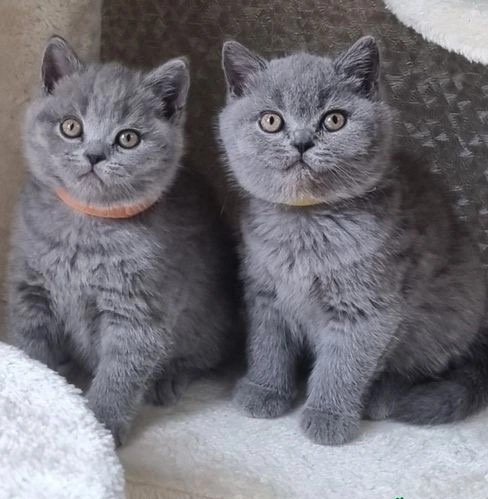
The British Shorthair has captured the hearts of cat lovers across the United Kingdom, earning its title as the nation’s favorite cat breed. With a charming demeanor, distinctive physical characteristics, and a rich history that dates back to ancient times, this breed stands out in a crowded feline landscape. Known for their plush coats and round faces, British Shorthairs are not only visually appealing but also boast a temperament that makes them ideal companions for families and individuals alike. In this article, we will explore the reasons behind their popularity, delve into their unique traits, and provide insights on responsible ownership to help potential cat owners make informed decisions.
The History of the British Shorthair
Origins and Ancestry
The British Shorthair’s ancestry is like a delightful history lesson wrapped in fur. These charming cats are believed to have descended from the domestic cats of the Roman Empire, who came to England on ships (likely sneaking some fish on board). Over the centuries, they mingled with local felines, solidifying their status as a quintessential British breed. They were popular among farmers for their mousing skills, proving they were not just a pretty face.
Development Over the Centuries
Fast forward a few hundred years, and the British Shorthair was well-established by the 19th century, captivating the hearts of many. They were showcased in cat shows (the feline version of the Oscars), where their robust physique and adorable round faces stole the spotlight. Thanks to selective breeding, they transformed from their rugged ancestors into the plush pillows of cuteness we know today.
Recognition by Cat Associations
The British Shorthair finally got the recognition they deserved when cat associations began to take notice in the late 1800s. The breed was officially recognized by the UK’s Governing Council of the Cat Fancy in 1871. Since then, they’ve been a popular choice for cat lovers, holding court at cat shows and strutting their stuff with regal poise. Who wouldn’t want a little royalty lounging on their sofa?
Distinctive Physical Traits
Coat Colors and Patterns
If you thought British Shorthairs were just a one-color wonder, think again! They come in an impressive array of shades and patterns – from the classic blue (which is basically a fancy way to say grey) to tabby, spotted, and even color-point. It’s like a feline rainbow, making it hard to resist their cuddly charm. Plus, their dense, plush coat feels like hugging a cloud (or a small furry tank).
Body Structure and Size
These cats are not just pretty faces; they’ve got the brawn to back it up! British Shorthairs are known for their solid, muscular build, giving them a sturdy appearance. They’re like the bodybuilders of the cat world, with broad chests and thick legs supporting their ‘I can take a nap anywhere’ lifestyle. On average, they weigh between 9 to 18 pounds, depending on how many treats they’ve snagged.
Unique Facial Features
The British Shorthair’s face is a masterpiece of cuteness. Their round faces, chubby cheeks, and big, expressive eyes make for a look that can melt even the iciest hearts. And let’s not forget those trademark dense whiskers that seem to have a mind of their own. They embody that classic ‘I may be a little portly, but I’m fabulous’ vibe that’s hard to resist.
Temperament and Personality
Affectionate Nature
British Shorthairs are like the emotionally supportive friends we all need in our lives. They are known for their affectionate and gentle demeanor, often seeking companionship from their humans without being overly clingy. It’s as if they have mastered the art of finding the perfect balance between snuggles and personal space. Whether you’re binge-watching your favorite show or reading a book, they’ll be there, purring contentedly, like furry little cheerleaders.
Playfulness and Energy Levels
Despite their somewhat regal appearance, these cats have a playful side that shines through. British Shorthairs enjoy engaging in playtime, but they’re not hyperactive like some breeds. Their laid-back attitude means they appreciate a good play session followed by a long, luxurious nap – a true connoisseur of the fine art of relaxation. Just don’t underestimate their ability to pounce on a feather toy with surprising enthusiasm!
Social Behavior with Humans and Other Pets
British Shorthairs are social butterflies. They thrive on interaction and form strong bonds with their human families. They’re typically friendly and tolerant of other pets, making them great companions in multi-pet households. Just be prepared for the classic cat move: sitting on your laptop when you’re busy, ensuring you don’t forget who’s really in charge.
Care and Maintenance Needs
Dietary Requirements
Feeding a British Shorthair is akin to being a personal chef to a pint-sized food critic. They require a balanced diet rich in protein to support their muscular build. Quality cat food (the kind you don’t mind dropping a small fortune on) is essential to keep them in tip-top shape. And let’s be real – they’ll definitely let you know if their gourmet expectations aren’t being met!
Grooming Essentials
Despite their luxurious coat, British Shorthairs are relatively low maintenance when it comes to grooming. A weekly brush will keep their fur looking splendid, removing loose hairs and reducing the chance of hairballs (the feline equivalent of a bad surprise). Just make sure to treat grooming like a spa day with plenty of praise and occasional treats involved.
Health Considerations
Like all breeds, British Shorthairs have their health quirks. They are prone to certain genetic conditions, such as hypertrophic cardiomyopathy (a fancy term for heart enlargement), and obesity if left unchecked. Regular vet check-ups, a healthy diet, and moderate exercise will ensure your fluffy friend continues to rule your household for many years to come. Remember, a healthy kitty is a happy kitty!
Popularity Among Cat Owners
Survey Statistics and Trends
British Shorthairs are the UK’s darling, and it’s not just our imaginations running wild. Recent surveys show that these plump, plush beauties consistently rank at the top of cat breed popularity charts. In a 2023 survey conducted by the Pet Food Manufacturers’ Association, a staggering 22% of cat owners confessed to being smitten by the charming British Shorthair, eclipsing other favorites like the Siamese and Maine Coon.
Reasons for Their Popularity
So, why the love affair? First off, look at those round faces and big, copper eyes; they could melt even the iciest of hearts. Beyond their good looks, British Shorthairs are known for their calm demeanor, making them the perfect couch companions. They’re also quite adaptable—whether you live in a tiny apartment or a sprawling country estate, they’ll fit right in.
Impact on the Pet Industry
With great popularity comes great market potential! The rise of the British Shorthair has led to a boom in tailored pet products: from gourmet food options to stylish scratching posts adorned with Union Jack designs. It’s not just a trend; it’s an entire economy around our beloved British Shorthairs, and you might find yourself scrolling through endless cat fashion just to keep your furry friend stylish!
Comparison with Other Cat Breeds
Similarities with Other Breeds
If you’ve ever chatted with a Persian or a Bengal cat owner, you might find a few common threads. Like many cats, British Shorthairs enjoy a pampered lifestyle filled with head scratches and sunbeam naps. They may also share a playful nature with breeds like the Ragdoll, but the British Shorthair does so with a trademark ‘I’m-too-cool-for-this’ attitude.
Differences that Set Them Apart
Now, what really sets British Shorthairs apart? For starters, their distinctly round faces and dense, plush coats are hard to miss! While many breeds can be a bit more vocal, our British friends communicate with a dignified silence, often giving you that “I am the king of this castle” look. And let’s not forget their robust build—it’s like they were designed to be the ultimate cuddle cushions!
Preferred Environments and Lifestyles
British Shorthairs are surprisingly versatile. They thrive in environments that offer a mix of exploration and relaxation—think cozy homes with sunny spots for napping and a few boxes for stealthy ambushes. Unlike some breeds that require a mountain of exercise, British Shorthairs are content with a leisurely stroll or a lazy afternoon, making them fantastic companions for both busy families and laid-back individuals alike.
Common Myths and Misconceptions
Myth: They Are Always Lazy
Let’s set the record straight: yes, British Shorthairs love their naps, but they’re not strictly couch potatoes! They can be playful and enjoy a good game of chase, provided it involves a feather toy or a laser pointer. Just don’t be surprised if they take a break mid-way through for a well-deserved nap!
Myth: They Are Prone to Health Issues
While some breeds may have genetic predispositions to certain health issues, British Shorthairs, when bred responsibly, can be surprisingly robust. Regular vet check-ups, a balanced diet, and some playtime can keep them in tip-top shape. So, no need to buy them extra coddling—just good care!
Myth: They Don’t Bond with Owners
British Shorthairs may not be lap cats in the traditional sense, but they are fiercely loyal. They’ll follow you around like a fluffy shadow and occasionally grace you with a nuzzle that says, “Yep, I like you.” They’re just the strong, silent type—think James Bond but fluffier and more purring.
Adoption and Responsible Ownership
Choosing the Right Breeder or Shelter
If you’re considering adding a British Shorthair to your family, it’s crucial to choose a reputable breeder or shelter. Look for breeders who prioritize health testing and ethical breeding practices. Shelters often have lovely cats looking for homes, too, so don’t forget to check those out; you might just find your purrfect match!
Preparing Your Home for a British Shorthair
Before bringing home your new feline friend, it’s important to create a safe and welcoming environment. Stock up on scratching posts, cozy beds, and toys galore. And maybe consider child-proofing your favorite house plants—because let’s face it, British Shorthairs are like little furry tornadoes!
Long-term Commitment and Care
Remember, adopting a British Shorthair (or any pet, really) is not a whim—it’s a long-term commitment! They may have an air of sophistication, but they require love, care, and regular vet visits for many years. So, make sure you’re ready to embrace the fluff and provide a forever home, because once they waddle in, they’re not going anywhere!In conclusion, the British Shorthair’s combination of striking appearance, friendly nature, and adaptability has solidified its status as the UK’s favorite cat breed. Whether you are considering welcoming one into your home or simply admire them from afar, understanding their traits and needs is essential for fostering a happy and healthy relationship. As you embark on your journey with these charming felines, remember that responsible ownership and love will ensure that your British Shorthair thrives as a beloved member of your family.
Frequently Asked Questions
1. What is the average lifespan of a British Shorthair?
The average lifespan of a British Shorthair is typically between 12 to 20 years, depending on their health, diet, and living conditions.
2. Do British Shorthairs require a lot of grooming?
British Shorthairs have a dense coat that benefits from regular brushing, but they do not require extensive grooming. Weekly brushing is usually sufficient to keep their coat healthy and reduce shedding.
3. Are British Shorthairs good with children and other pets?
Yes, British Shorthairs are known for their gentle and affectionate nature, making them great companions for children and generally tolerant of other pets.
4. What are common health issues associated with British Shorthairs?
While generally healthy, British Shorthairs can be prone to certain genetic conditions, including hypertrophic cardiomyopathy (HCM) and obesity. Regular veterinary check-ups can help monitor their health.