
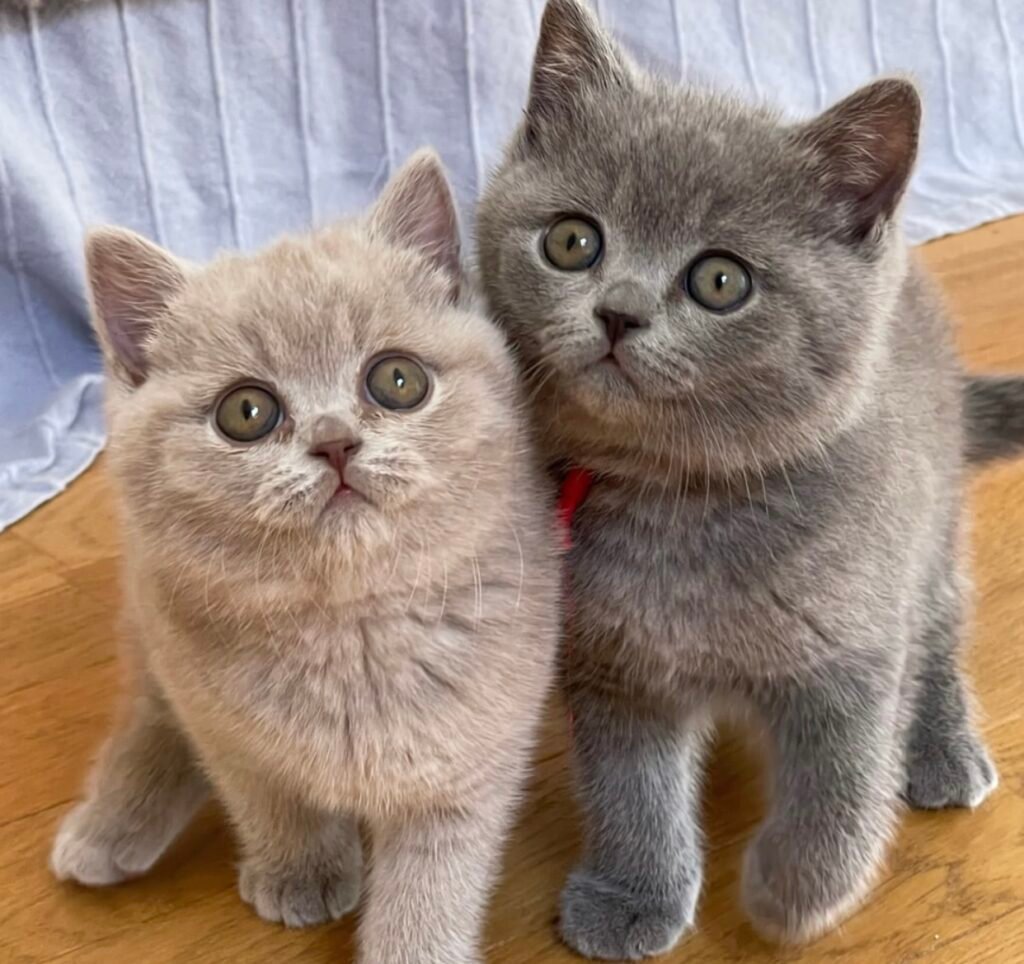
If you’re searching for a delightful companion to brighten your days, look no further than the British Shorthair kitten. Renowned for their charming personalities, striking appearance, and affectionate nature, these kittens make perfect pets for families and individuals alike. With their iconic round faces and plush coats, British Shorthairs are not only visually appealing but also come with a unique blend of playfulness and independence. In this guide, we will explore the essential aspects of welcoming a British Shorthair into your home, from understanding the breed’s characteristics to finding a reputable breeder and ensuring a happy, healthy life together. Get ready to pounce on happiness as you embark on this exciting journey to find your perfect feline friend!
Understanding the British Shorthair Breed
History and Origins
The British Shorthair’s lineage is as rich as a proper cup of English breakfast tea. This breed can trace its roots back to ancient Rome when their forebears were brought over to help control the rodent population. They became quite the charming companions in Victorian England, capturing hearts (and laps) across the nation. So, if you want a kitty with a taste of history, look no further!
Physical Traits
British Shorthairs are essentially the teddy bears of the cat world—with short, dense coats that feel like a plush cloud. Their round faces, chubby cheeks, and big, expressive eyes make them irresistibly cute. They sport a stocky build, sturdy legs, and a thick tail. If they were a person, they’d be the one you want to hug whenever you’re feeling down.
Temperament and Behavior
Imagine a cat that embodies the cozy spirit of a rainy English afternoon. British Shorthairs are known for their calm demeanor and low-key attitude. They’re the perfect blend of independence and companionship, preferring to observe the world with a laid-back elegance. You can count on them to offer quiet affection, interspersed with moments of playful antics that will keep you entertained.
Characteristics of a Happy British Shorthair
Playfulness and Curiosity
Despite their dignified appearance, these fluff balls have an innate curiosity that could rival any detective. They love to explore their surroundings, investigate crinkly packets, and engage in epic battles with the dreaded feather wand. Playtime is essential for these kitties, providing both mental stimulation and a chance to flaunt their silly side.
Affectionate Nature
When it comes to showing love, British Shorthairs are pros. They might not be the clingy type, but they enjoy snuggling up next to you while you binge-watch your favorite series. Their purring is like a soothing soundtrack to your life, and trust us, there’s nothing quite like a soft little face nudging into your hand for a scratch behind the ears.
Independence vs. Socialization
British Shorthairs strike a delicate balance between being social butterflies and independent spirits. They can spend hours lounging alone in sunny spots, yet they also cherish quality time with their human companions. This duality makes them adaptable, as they can thrive whether you’re an outgoing family or a quiet single living in a studio.
Preparing Your Home for a New Kitten
Creating a Safe Environment
Before your new British Shorthair arrives, transform your home into a safe haven. Clear out any hazards (we’re looking at you, toxic plants and dangling cords). Ensure windows and balconies are secure, because escape artist mode activated! A cozy space complete with a comfy bed and some safe toys will make your kitten feel welcome and secure.
Necessary Supplies and Accessories
Let’s talk shopping because what could be better than spoiling your future furball? Stock up on the essentials: a litter box (and litter, of course), food and water dishes, a scratching post, toys (the more, the merrier), and a cozy bed. And don’t forget about a quality cat carrier for those trips to the vet—no one wants to play hide-and-seek with a scared kitten.
Introducing the Kitten to Your Family
The big day is here! As you introduce your new British Shorthair to your family, take it slow and steady. It’s all about first impressions; encourage gentle interactions and allow your kitten to explore at their own pace. This way, they’ll quickly learn that you’re all part of their new support team, ready to provide endless love and belly rubs.
Finding Reputable Breeders
What to Look for in a Breeder
Finding the right breeder is like searching for buried treasure. Look for someone who prioritizes the health and well-being of their kittens, providing a clean environment and socializing their cats from an early age. A genuine breeder won’t shy away from showing you their setup and sharing their breeding practices.
Questions to Ask Before Purchase
Prepare a few questions to gauge the breeder’s knowledge, such as inquiries about health screenings, vaccination statuses, and any potential behavioral issues. Ask how the kittens were raised and how they interact with humans, ensuring you’re not bringing home a future feline hermit. You want to know that your new companion is as well-adjusted as they come.
Understanding Adoption vs. Buying
While purchasing from a breeder is a route many choose, don’t overlook the joy of adopting from shelters and rescues. Both avenues have their merits—breeders often focus on specific traits, while rescues can offer unconditional love and a second chance at life. Whichever path you choose, know that bringing a British Shorthair into your life is an adventure filled with joy and companionship!
Essential Care Tips for Your British Shorthair
Nutrition and Diet Requirements
The British Shorthair is like a tiny, furry bodybuilder—strong and hearty! To fuel their adorable little antics, they need a balanced diet rich in protein. Opt for high-quality cat food and consult your vet about proper portion sizes. Remember, this isn’t an all-you-can-eat buffet; obesity can be a concern, so keep an eye on those treats (or hide them… from yourself).
Grooming and Maintenance
With their plush coats, British Shorthairs are the divas of the cat world! Regular brushing will help minimize shedding and keep their coats looking fabulous. Aim for once a week but don’t be surprised if they start to demand it more frequently! Bathing isn’t usually necessary, but a quick wipe with a damp cloth can keep those adorable faces clean and smudge-free.
Exercise and Mental Stimulation
These cats might look like they’re giving you a regal stare, but they’re active and playful too! Engage them with interactive toys and regular play sessions; think feather wands, laser pointers, and even a cardboard box (the ultimate cat dilemma). Solve the mystery of the pouncing kitten by giving it time to explore and stay mentally sharp!
Socialization and Training Techniques
Early Socialization Practices
Start socializing your British Shorthair early—this is a kitty who appreciates the finer things in life, including good company! Expose them to various people, pets, and environments. Treats can be your best friend during this process. Remember, the earlier they learn that the world is a fun, safe place, the better they’ll adapt as they grow.
Basic Training Commands
Yes, you can train your British Shorthair! Use positive reinforcement methods like treats and praise for commands like “sit” or “come.” They’re clever cookies and will likely catch on quickly (especially if there’s chicken involved). Just keep the sessions short and sweet, because, you know, cats have their own time schedule!
Understanding Body Language
Your British Shorthair won’t just meow for communication; they’ll also use an array of gestures. A flicking tail may indicate annoyance, while a slow blink can signal affection. Keep an eye on their ears and whiskers—if they’re perked up and forward, your kitty is curious and engaged. Learning their body language means you’ll always be one step ahead in the game of cat!
Health Considerations and Regular Vet Visits
Common Health Issues in British Shorthairs
While British Shorthairs are generally healthy, they can be prone to certain health issues like hypertrophic cardiomyopathy (HCM) and obesity. Regular vet check-ups are essential to catch any potential problems early. Keep an eye on their weight and watch for any signs of lethargy or changes in behavior.
Vaccination and Preventative Care
Vaccinations are a vital part of keeping your kitty safe and healthy. Make sure they receive their core vaccinations as a kitten, followed by boosters as directed. Preventative care like flea and tick treatments, as well as regular dental cleanings, will keep your feline friend living their best life.
Routine Health Check-Ups
A yearly trip to the vet may feel like a chore, but it’s the best way to ensure your British Shorthair stays healthy. During these visits, your vet can monitor their weight, dental health, and overall well-being. Think of it as a spa day—without the cucumber slices on the eyes.
Embracing the Joys of Life with Your Kitten
Bonding Activities
The best part of owning a British Shorthair? The bonding! Activities like playtime, grooming, and even cuddling can deepen your relationship. Try to carve out time daily to engage with your furball—whether it’s a dedicated play session or simply hanging out while you binge-watch your favorite show.
Creating a Stimulating Environment
Your home should be a wonderland for your British Shorthair! Provide scratching posts, climbing trees, and interactive toys to keep them entertained. Consider a window perch for some prime bird-watching opportunities—after all, a little feline entertainment goes a long way in keeping boredom at bay.
Long-Term Commitment and Love
Bringing a British Shorthair into your home is more than just adding a cute face to your Instagram feed; it’s a long-term commitment. These kitties thrive on love, attention, and care. Prepare for a lifetime of joy, purrs, and those irresistible head bumps! They may have you wrapped around their little paws in no time.In conclusion, bringing a British Shorthair kitten into your home is a rewarding experience that can bring endless joy and companionship. By understanding their unique needs and characteristics, preparing your space, and committing to their care and training, you’ll set the foundation for a loving relationship that lasts a lifetime. Embrace the journey of finding your perfect kitten, and enjoy the delightful moments and memories that come with welcoming a British Shorthair into your family. Happy pouncing!
Frequently Asked Questions
1. How much do British Shorthair kittens typically cost?
The price of British Shorthair kittens can vary widely based on factors such as breeder reputation, location, and lineage, typically ranging from $1,500 to $3,000 or more.
2. What is the best diet for a British Shorthair kitten?
A high-quality, protein-rich diet formulated for kittens is recommended, as it supports their growth and development. Consult your veterinarian for specific dietary recommendations.
3. Are British Shorthairs good with children and other pets?
Yes, British Shorthairs are generally known for their calm and friendly temperament, making them great companions for children and other pets when properly socialized.
4. How often should I take my British Shorthair to the vet?
Regular vet visits are essential, particularly for vaccinations and health check-ups. Kittens typically need to see a veterinarian every few weeks until they are around 16 weeks old, and then annually for routine care.