
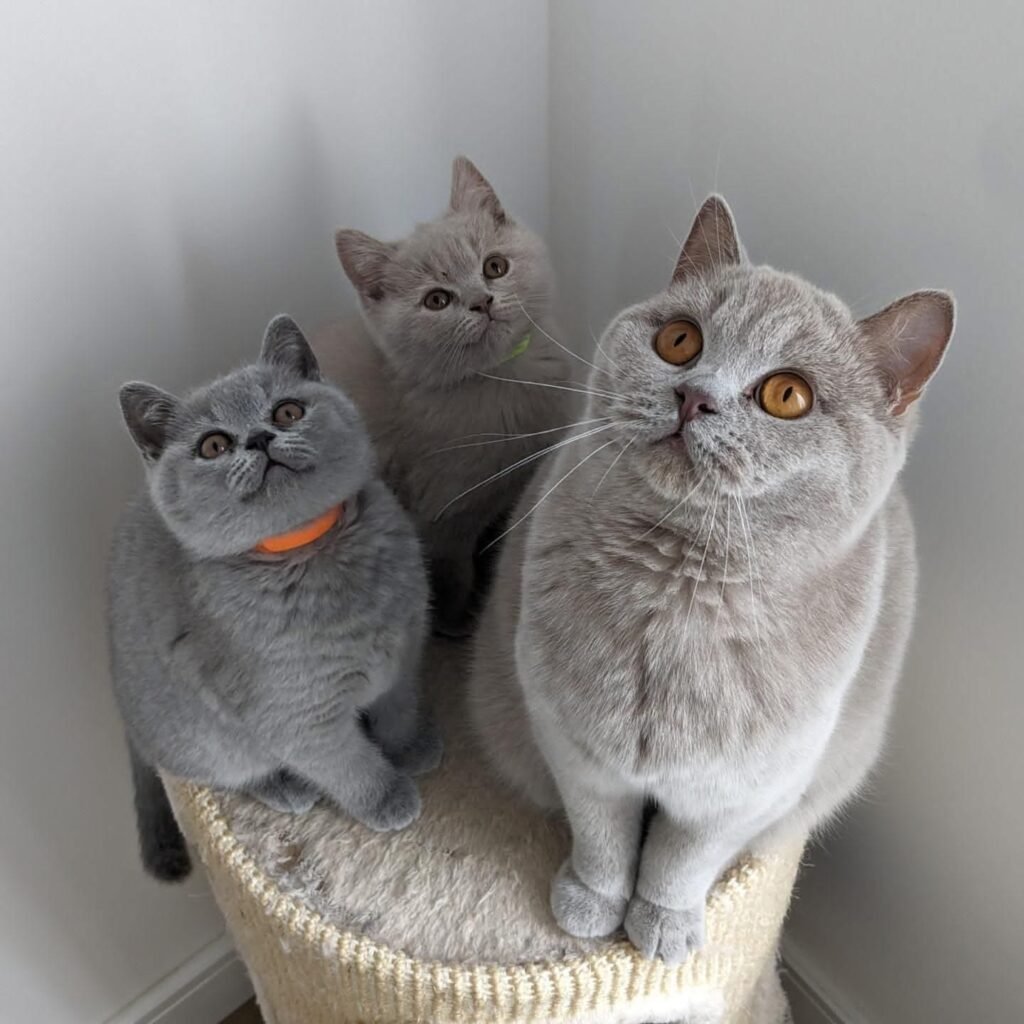
Finding a reputable breeder for a British Shorthair cat is crucial for ensuring the health, temperament, and overall well-being of your future pet. With their distinctive appearance and friendly nature, British Shorthairs have gained popularity among cat enthusiasts, making it essential to navigate the breeding landscape carefully. This article will guide you through the key factors to consider when identifying responsible breeders, equipping you with the knowledge to make an informed decision. From understanding the breed’s characteristics to recognizing red flags in breeding practices, you’ll learn how to spot a trustworthy breeder who prioritizes the welfare of their cats.
Understanding the British Shorthair Breed
History and Origins
The British Shorthair is a feline with a regal pedigree, tracing its roots back to ancient Rome when they were the purring companions of soldiers. These sturdy cats were bred for their hunting skills and were prized for their ability to keep homes free of vermin. Fast forward to the 19th century, and they became stars of cat shows, solidifying their popularity as a beloved pet in many households across the UK. Today, they embody a mix of history and charm, earning them the title of the “purrfect” lap cat.
Physical Characteristics
Stop and stare: the British Shorthair boasts a plush, dense coat that’s almost irresistible to touch. They come in a variety of colors, but let’s be honest, that classic blue-gray hue is basically their signature look. Their round faces are framed by chubby cheeks and large, copper eyes that could melt even the coldest heart. Plus, they have a stocky build with muscular legs and a thick tail—a true testament to their robust ancestry.
Temperament and Behavior
If you’re looking for a cat that’s as chill as your favorite Sunday afternoon, the British Shorthair is your match. These felines are known for their calm and laid-back demeanor; they thrive on routine and have a reputation for being affectionate without being overly needy. They enjoy their independence but are also social enough to join in family activities. Expect a cat that will lounge with you on the couch and still give you a sassy look when it’s time for dinner!
The Importance of Choosing a Reputable Breeder
Impact on Kitten Health
Choosing a reputable breeder is akin to picking a high-quality cake recipe—one slight misstep can ruin everything! A responsible breeder prioritizes the health of their kittens, conducting necessary health screenings to ensure they are free from genetic conditions common in the breed. Their commitment means your new furry friend is more likely to have a long, healthy life filled with plenty of purrs and playful antics.
Long-term Support and Guidance
A good breeder isn’t just a one-stop shop; they’re your ongoing support system. They’re there to answer any of your cat-related queries, from dietary needs to quirky behaviors. Think of them as your cat’s personal life coach, ready to share expert advice and tips that help you navigate the sometimes tumultuous waters of pet parenting.
Key Characteristics of Responsible Breeders
Experience and Knowledge
A reputable breeder should have both the experience and knowledge that could put a cat behaviorist to shame. They should be well-versed in all things British Shorthair, from the intricacies of their health needs to the latest trends in cat care. Look for someone who can talk about the breed with passion, as if they’re describing their favorite movie—because, let’s face it, your future cat is going to be a star!
Commitment to the Breed Standard
Responsible breeders are like the guardians of the British Shorthair legacy. They are dedicated to maintaining breed standards set by cat associations, ensuring their kittens possess the physical traits and temperament characteristic of the breed. This commitment benefits both the cats and the cat-loving public, preserving the unique charm of the British Shorthair for generations to come.
Health Testing and Transparency
Transparency is key when it comes to breeding. Reputable breeders should be open about their health testing procedures and willing to share the results with prospective owners. They should provide documentation on genetic screenings (like for hypertrophic cardiomyopathy) and be ready to discuss any potential health concerns. After all, when you’re investing in a lifelong furry friend, you want to know they’ve got a clean bill of health right from the start.
Questions to Ask Potential Breeders
Breeder’s Experience and Background
When chatting with a potential breeder, don’t hold back! Ask about their experience with British Shorthairs. How long have they been breeding? What inspired them to choose this breed? A knowledgeable breeder will be eager to share their journey and answer your questions, so get ready to listen!
Health Screening Procedures
Make sure to inquire about their health screening procedures. What tests have the parents undergone? Are the results available? A responsible breeder will have no problem providing you with this information, proving they have your future kitten’s best interests at heart.
Socialization Practices
Ask about how they socialize their kittens. A good breeder will ensure their kittens are exposed to a variety of sounds, sights, and experiences to help them grow into well-adjusted adults. Find out how they introduce their kittens to different environments and human interactions—it’s all part of raising a future superstar!
Warning Signs of Irresponsible Breeding Practices
Lack of Documentation
If your potential breeder is as elusive as a cat in a cardboard box when it comes to paperwork, that’s a red flag. A reputable breeder should provide health records, pedigree information, and registration documents for their kittens. If they’re dodging questions about these crucial documents, consider that a sign to scratch them off your list.
Poor Living Conditions
If the breeding facility resembles a scene from a horror movie—filthy cages, overcrowding, and the faint smell of despair—it’s a definite no-go. Kittens should be raised in a clean, spacious, and safe environment that promotes their health and socialization. If you walk into a place and your “spidey senses” start tingling, trust your gut and run!
Reluctance to Answer Questions
A responsible breeder will be more than happy to chat about their cats, just like cat lovers do about their favorite memes. If they seem evasive or annoyed when you ask questions about their breeding practices, health testing, or even their cats’ personalities, it’s time to consider adopting a cat-shaped hole in your heart instead.
The Role of Reviews and Testimonials
Where to Find Reviews
Just like you would Google reviews before trying out a new restaurant, do the same when searching for a breeder. Look for reviews on their website, social media platforms, and cat forums. Trusted breeding associations may also have lists of recommended breeders, along with testimonials from other kitten parents. Dive into these reviews—your future feline will thank you!
Evaluating Credibility
Not all reviews are created equal—some might just be as fabricated as a cat’s ability to resist a sunbeam. Look for detailed feedback, particularly regarding the health of the kittens, the professionalism of the breeder, and overall experiences. If you see a mix of glowing reviews and not-so-great ones, look for patterns. Consistency is key; if multiple people mention the same issue, it’s probably worth paying attention to.
Assessing the Breeder’s Facilities and Environment
Health and Cleanliness Standards
When visiting the breeder, channel your inner detective. Check for cleanliness and general upkeep. Are the litter boxes scooped? Are the cats fed a balanced diet, or do they seem to be living off discarded pizza crusts? A reputable breeder should prioritize both the health of their cats and the cleanliness of their environment. If it looks like a disaster zone, keep searching.
Socialization Opportunities for Kittens
British Shorthair kittens are adorable, but they also need proper socialization to grow into the well-adjusted cats you’ll want to cuddle. Check if the kittens have ample opportunities to interact with humans and other pets. A good breeder will let their kittens explore, play, and grow accustomed to various stimuli to ensure they develop into confident felines who won’t hide under the couch at the slightest noise.
Understanding Health Guarantees and Contracts
Types of Health Guarantees
Health guarantees vary, but they’re essential for ensuring you’re not adopting a ticking time bomb of vet bills. Look for guarantees that cover genetic disorders or illnesses for a specified time period. A good breeder will stand behind their kittens and provide you with peace of mind in case anything unexpected arises.
Reading the Fine Print
Before you sign anything, channel your inner lawyer (or your best friend who binge-watched legal dramas). Review the contract thoroughly. Look for details on health guarantees, return policies, and any stipulations regarding spaying or neutering. This is where you can spot any sneaky clauses that might leave you in a bind. Remember: don’t agree to anything that sounds fishy—or catnip-scented—without fully understanding it first! Choosing a reputable British Shorthair breeder is a vital step in welcoming a healthy and well-adjusted feline companion into your home. By understanding the breed, asking the right questions, and recognizing the signs of responsible breeding practices, you can ensure that your new pet comes from a loving and ethical environment. Take your time, do your research, and trust your instincts as you embark on this rewarding journey to find the perfect British Shorthair for your family.
Frequently Asked Questions
1. What documents should a reputable breeder provide?
A reputable breeder should provide health certificates, pedigree documentation, and vaccination records for the kittens. They should also be willing to share any relevant health testing results for the parents.
2. How can I verify a breeder’s reputation?
You can verify a breeder’s reputation by checking online reviews, asking for references from previous clients, and visiting cat shows or breed clubs where the breeder may be a member.
3. What should I look for during a breeder visit?
During a visit, assess the cleanliness of the facility, the overall health of the cats, and the socialization practices in place. A responsible breeder will be happy to show you their environment and answer your questions.
4. Is it normal to pay a deposit before receiving a kitten?
Yes, it is common for breeders to require a deposit to hold a kitten, but ensure that you have a clear agreement regarding the deposit terms and a written contract outlining the purchase details.