
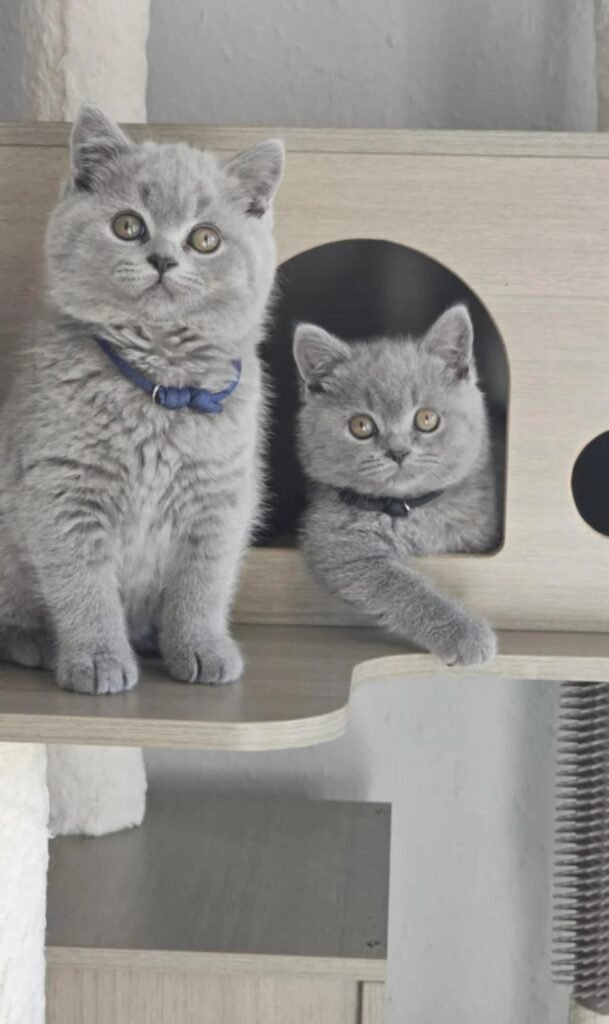
Finding the perfect British Shorthair kitten can be an exciting yet challenging journey, especially in the diverse pet market of the UK. Known for their charming personalities and stunning appearance, British Shorthairs are a beloved breed among cat enthusiasts. However, selecting the right kitten involves more than just falling in love at first sight. It requires understanding the breed’s characteristics, researching reputable breeders, and preparing your home for a new furry family member. This guide will walk you through essential steps to ensure you bring home a healthy, happy British Shorthair kitten that fits seamlessly into your life.
Understanding the British Shorthair Breed
History and Origin
The British Shorthair’s lineage traces back to ancient Rome, where they were the ultimate feline companions for keeping the rat population in check. Fast forward to the Victorian era, and these sturdy cats became the darlings of British households, admired for their charm and robustness. With a history steeped in royal favor and a flair for the dramatic, these cats have successfully pranced their way into our hearts (and Instagram feeds) since the 1800s.
Physical Traits and Unique Features
British Shorthairs are the “chonk” of the cat world, sporting a muscular build and round face that makes them look perpetually kitten-like—no wonder they steal the spotlight! Their plush, dense coat comes in a range of colors and patterns, but the classic “British Blue” is the stuff of legends. With big, round eyes that can make you forget all your troubles (or your bank account balance), they’re cute enough to land a few modeling gigs.
Temperament and Behavior
If you’re after a cat with personality plus, look no further than the British Shorthair. Known for their laid-back demeanor, these cats are affectionate but not clingy—think of them as the cool friend who’s happy to hang out, but won’t judge you for binge-watching a whole season of reality TV alone. They can be playful and curious, but they’re also fine with lounging around like a true couch potato.
Key Characteristics to Look For in a British Shorthair Kitten
Appearance and Coat Patterns
When selecting your British Shorthair kitten, you’ll want one that embodies the breed’s signature look: round face, chubby cheeks, and a plush coat that feels like a cozy blanket. Pay attention to coat patterns—while solid colors are popular, tabbies and bicolors have their own charm. Just remember, it’s not really a British Shorthair unless it looks like it might audition for a role in a cat food commercial.
Health and Genetic Considerations
Health matters! British Shorthairs can be prone to certain genetic disorders—hypertrophic cardiomyopathy (HCM), anyone? When choosing your kitten, inquire about health screenings and genetic testing. A responsible breeder will provide you with information on the parents’ health history, giving you peace of mind and saving you from those unexpected vet bills later on.
Socialization and Playfulness
A well-socialized kitten is a happy kitten! Look for one that eagerly interacts with people and other cats (not just hissing at everything that moves). British Shorthairs are known for their playful nature, so choose a kitten that shows curiosity and a willingness to engage. After all, you want a buddy to join you in shenanigans—not just a decorative piece for your coffee table.
Researching Reputable Breeders in the UK
Online Resources and Directories
The internet is your best friend when it comes to finding reputable breeders. Websites like The Governing Council of the Cat Fancy (GCCF) or the British Shorthair Cat Club serve as excellent starting points. Browse through their directories to find breeders who are as passionate about the breed as you are (and ideally, have a healthy obsession with cat memes).
Visiting Catteries: What to Expect
Once you find potential breeders, it’s time to gear up for a cattery visit! Expect a charming, albeit cat-hair-filled environment where kittens are raised in a loving and clean atmosphere. Ask questions, interact with the kittens, and observe the breeder’s practices. You wouldn’t buy a car without taking it for a spin, right? Same goes for your future fur baby.
Reviews and Recommendations
Before you dive headfirst into kitten ownership, check online reviews and ask fellow cat lovers for recommendations. Social media groups and online forums can provide insights from other British Shorthair enthusiasts. If you hear about a breeder with rave reviews, that’s a good sign. Just keep an eye out for any red flags, like glowing testimonials that sound suspiciously like a cat-napping ring.
Questions to Ask Before Buying a Kitten
Breeder’s Experience and Reputation
When engaging with a breeder, don’t be shy about asking about their experience. How long have they been breeding British Shorthairs? What drew them to this breed? A reputable breeder should be more than happy to share their journey, showing a genuine love for these feline companions that goes beyond just making a quick buck.
Kittens’ Health History and Parentage
Inquire about the health backgrounds of the kittens and their parents. Ask for any health screenings and documentation—these are essential for ensuring your kitten starts off life on the right paw. After all, you wouldn’t adopt a child without seeing their report cards, right? Same logic applies here!
Return Policy and Support After Purchase
You want to know that your breeder is in it for the long haul. Ask about their return policy in case things don’t work out (like if your kitten turns out to be allergic to your favorite couch). A good breeder provides you with support even after you bring your kitten home, offering advice on care, training, and any hiccups along the way. You’re not just buying a kitten; you’re entering a lifelong partnership!
Preparing Your Home for a New British Shorthair
Essential Supplies and Equipment
Before your new British Shorthair arrives, stock up on the essentials: a litter box (with high sides to contain the shenanigans), quality food (preferably not a knock-off brand with more fillers than meat), food and water bowls (make them fancy if you’re feeling extra), scratching posts (because your furniture won’t scratch itself), and toys to keep those playful paws entertained. And don’t forget a cozy bed! Your kitten needs a throne fit for a royal cat.
Creating a Safe and Comfortable Environment
Safety first! British Shorthairs are known for their curious natures. So, kitten-proof your home by securing loose cords, moving breakables out of reach, and eliminating any potential choking hazards. Create a comfy nook for your new furry friend to retreat to when they need a break from all the excitement. A quiet corner with soft bedding can do wonders for a kitten’s peace of mind.
Introducing Your Kitten to Family and Other Pets
The first impressions matter, folks! When bringing your kitten home, introduce them slowly to family members and other pets. Supervise interactions to avoid any frenzied misunderstandings. Let everyone sniff and be sniffed — just remember, no sudden movements. Treats and positive reinforcement can turn any tense meet-and-greet into a pawsitive experience!
The Importance of Health Checks and Vaccinations
Understanding Vaccination Schedules
Just like humans, kittens need their shots. Familiarize yourself with the vaccination schedule specific to British Shorthairs. Typically, they’ll need a series of vaccinations in their first few months. Check with your vet to ensure your furry friend is up to date. And hey, consider this your excuse to spoil them with extra treats post-getting pricked!
Common Health Issues in British Shorthairs
While British Shorthairs are generally a healthy breed, they aren’t immune to certain health issues like feline hypertrophic cardiomyopathy (don’t worry, it’s a mouthful but we won’t test you). Regular vet visits and attention to any unusual behavior can help catch issues early. A little TLC goes a long way toward keeping your kitty in tip-top shape!
Finding a Trusted Veterinarian
Not all heroes wear capes—some wear white coats! Find a vet who understands British Shorthairs and their specific needs. Look for reviews, ask for recommendations, and take a visit to gauge their vibe. Trust us, you’ll want someone who makes your kitten feel like the belle of the ball during those check-ups.
Tips for Socializing and Training Your New Kitten
Basic Training Techniques
Training a kitten? Piece of cake! Start with the basics: litter box training is an absolute must. Use positive reinforcement (read: treats!) to encourage good behavior. And while a British Shorthair may not fetch like a dog, you can teach them to follow simple commands like “come” or “no.” Patience and consistency are key—and of course, a sprinkle of humor!
Encouraging Positive Behavior
Your British Shorthair should be a well-mannered companion, not a furry tornado. Use toys and treats to reward positive behavior. If they use their scratching post instead of your couch, shower them with love and praise. And if they’re being a little devil, redirect their energy with toys rather than scolding—they’re a kitten, after all, not a ponytailed toddler!
Socialization with People and Other Animals
Getting your kitten socialized is essential for a happy household. Expose them to different sounds, smells, and people gradually. Arrange playdates with other friendly pets, but supervise like an eagle (or a very dedicated human). Over time, your British Shorthair will become a confident little charmer, ready to grace all gatherings with their presence.
Understanding the Costs of Owning a British Shorthair
Initial Purchase Price and Adoption Fees
So, how much will your new furball stylishly cost you? British Shorthair kittens can range from a few hundred to over a thousand pounds, depending on where you get them. Breeders will charge more for pedigree lines, while adoption fees from shelters are typically lower but come with their own rewards. Remember, you’re not just buying a kitten; you’re investing in a loveable companion!
Ongoing Care and Maintenance Costs
After the initial investment, budget for ongoing expenses like food, litter, and routine vet check-ups. Grooming supplies, toys, and perhaps some luxurious cat furniture might also make a regular appearance on your expense report. Spoiling your kitty is par for the course, and trust us, they’ll love you more for it!
Insurance and Emergency Expenses
Just like a responsible human, consider getting pet insurance—it’s worth the peace of mind! Set aside a few pennies for emergencies, too. You never know when a case of “I just ate the whole bag of catnip” might arise. Being prepared for unexpected vet visits is essential for any loving pet parent. Err on the side of caution, and your bank account will thank you later!In conclusion, bringing a British Shorthair kitten into your home can be a rewarding experience filled with joy and companionship. By following the steps outlined in this guide—from understanding the breed’s characteristics to preparing your home and choosing a reputable breeder—you can ensure a smooth transition for both you and your new pet. Take your time, do your research, and remember that the right kitten will not only complement your lifestyle but also become a cherished member of your family for years to come.
FAQs
What is the typical price range for a British Shorthair kitten in the UK?
The price for a British Shorthair kitten can vary significantly based on factors such as breeder reputation, lineage, and location, typically ranging from £800 to £2,500.
How can I tell if a breeder is reputable?
A reputable breeder will provide health certificates for the kittens, allow you to visit their cattery, and have a clear understanding of the breed. They should also be willing to answer any questions you have about the kittens and their care.
What should I expect in terms of grooming and care for a British Shorthair?
British Shorthairs have a dense coat that requires regular brushing to minimize shedding and mats. Additionally, routine vet check-ups, vaccinations, and dental care are essential for maintaining their health.
Are British Shorthairs good with children and other pets?
Yes, British Shorthairs are generally known for their calm and adaptable nature, making them good companions for children and other pets. However, early socialization is crucial to ensure they are comfortable around others.