
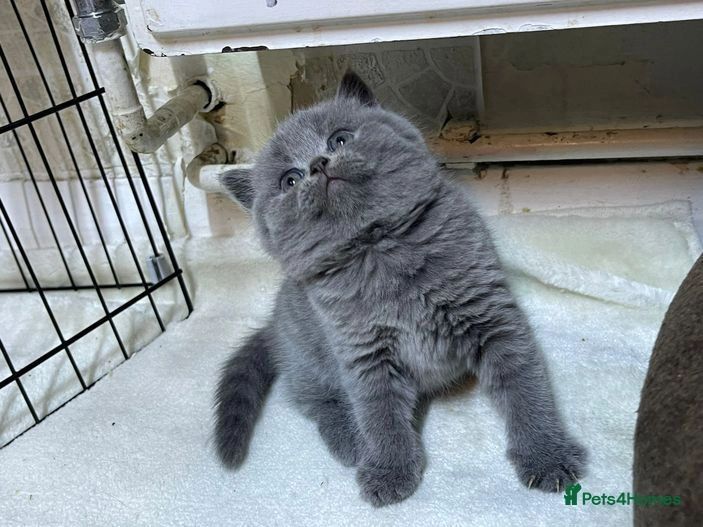
The Blue British Shorthair is a captivating breed known for its striking appearance and charming personality. With their plush, dense coats and round, expressive faces, these cats have become increasingly popular among pet lovers worldwide. As a breed that embodies both elegance and playfulness, Blue British Shorthairs make delightful companions for families and individuals alike. Whether you’re considering adding one to your household or simply exploring the breed’s unique characteristics, this article will guide you through everything you need to know about finding a Blue British Shorthair for sale, their care requirements, and the joys they bring to their owners.
Overview of Blue British Shorthairs
History and Origin
The Blue British Shorthair has roots as deep as your cat’s desire to curl up in your lap. This breed originated in Britain, tracing back to ancient Roman times when cats were brought over to control the rodent population. Over time, they evolved into the stout, plush companions we adore today, earning their “British” moniker. The distinctive blue coat we love—think the color of a stormy sky—became popular in the late 19th century, especially after a cat show in 1871 where these cool cats strutted their stuff.
Popularity in the Cat Breeding Community
In the cat fancy world, Blue British Shorthairs are like the rock stars of the feline kingdom, captivating breeders and enthusiasts alike. Their beautifully rounded faces and dense, plush coats have made them a sought-after breed. With their charming looks and sweet personalities, they’ve captured the hearts of many, earning a loyal fanbase that spans across continents. The breed consistently appears on “most popular cat” lists, proving that their allure is no passing fad.
Characteristics and Traits
Physical Appearance
With a body built for comfort (and maybe a touch of laziness), the Blue British Shorthair sports a sturdy frame, broad chest, and muscular legs. Their round faces are complemented by large, expressive eyes that can be copper, gold, or even shades of blue. And let’s not forget that plush, dense coat! It gives them a teddy bear-like quality that’s almost too hard to resist. Honestly, if they were any more huggable, they’d come with a warning label.
Temperament and Behavior
These cats are the ultimate blend of independence and affection. Blue British Shorthairs have a calm, easygoing nature that makes them perfect companions for those who prefer a laid-back lifestyle. While they enjoy a good play session (especially with a laser pointer), they’re equally content lounging around and observing the world like the fluffy little philosophers they are. They’re known to bond deeply with their humans but won’t follow you around like an overly attached puppy—after all, they have a reputation to uphold!
Common Myths and Misconceptions
One common misconception is that Blue British Shorthairs are aloof or standoffish. Not true! They may be reserved at first, but once they feel comfortable, they’ll become your shadow. Another myth is regarding their grooming needs; some people think these plush coats require extensive care, but their short hair actually means minimal maintenance. And if you hear anyone claim they’re just big, lazy furballs, remind them that they’re actually quite playful and active, just in a “let’s take a nap after this round of play” kind of way!
Reasons to Choose a Blue British Shorthair
Affectionate Companionship
If you’re looking for a furry friend who’ll cuddle with you after a long day, look no further. Blue British Shorthairs are known for their affectionate nature, often forming deep bonds with their humans. They’re like that supportive friend who shows up with popcorn during movie night—always there, always comforting, but not overly clingy.
Low Maintenance Grooming
These cats are so low-maintenance, they might as well come with a manual for stress-free ownership. Their short, dense coats require minimal grooming, making them perfect for the busy cat parent. A quick brush every week will keep their fur looking fabulous without the hours of combing that some breeds demand. Less time grooming means more time for quality snuggles, right?
Compatibility with Families and Other Pets
Blue British Shorthairs are like the diplomats of the cat world—they get along well with children, other pets, and even the occasional visiting friend. Their calm disposition makes them an excellent choice for families, and they tend to be patient companions for kids. Plus, if you have other pets, these cats usually adapt seamlessly. Just be prepared for a little rivalry over who gets the sunniest spot by the window!
Where to Find Blue British Shorthairs for Sale
Reputable Breeders
When searching for a Blue British Shorthair, it’s essential to go through reputable breeders who prioritize the health and temperament of their cats. Look for breeders who are members of recognized cat breeding associations and are willing to provide health clearances for your future furball. A good breeder will also be happy to answer your questions and let you meet the parents, ensuring you’re getting a well-socialized kitten ready for its forever home.
Animal Shelters and Rescues
Don’t forget about the furry friends looking for homes in shelters and rescues! While a purebred Blue British Shorthair may be a bit harder to find, you might just discover a unique mix with the same charming personality. Plus, adopting a rescue means you’re giving a cat a second chance at happiness—bonus points for being a hero!
Online Marketplaces
If you prefer browsing from the comfort of your couch (we don’t blame you), online marketplaces can also be a good resource. Just make sure to verify the seller’s credibility and check for reviews. Always be cautious of scams—because, let’s be honest, nobody wants a tragic catfish situation. Take your time, do your research, and you might just find the perfect Blue British Shorthair waiting for you!
Price Range and Factors Influencing Cost
Average Cost of Blue British Shorthairs
If you’ve set your heart on a blue British Shorthair, get ready to dig into your wallet—though don’t worry, it’s not like buying a small car. The average cost typically ranges from $1,500 to $3,000, depending on various factors. Yes, there’s a decent range, but the blue hue definitely adds a sprinkle of “exclusive” to your feline friend’s price tag.
Factors Affecting Pricing
Several factors play into the price of these charming cats. Breeder reputation is huge—top-notch breeders will charge more because they provide health guarantees and have superior breeding practices. Age also matters; kittens generally cost more than adult cats. Then there’s the whole lineage thing—if your kitty comes from show-winning parents, expect a price that matches its royal rear.
Potential Additional Expenses
Once you’ve secured your blue British Shorthair, don’t forget about the ongoing expenses. Regular vet checks, vaccinations, quality food, litter, toys, and maybe a fancy scratching post can add up faster than your cat can knock over a vase. Plus, if they throw a tantrum and decide to get sick (just like teenagers), you’ll want to be ready for those sudden vet bills.
Tips for Caring for Your Blue British Shorthair
Diet and Nutrition
Feeding your blue British Shorthair a well-balanced diet is akin to fueling a sports car—give them high-quality cat food rich in protein and nutrients. These chubby cuties can be prone to weight gain, so keep an eye on their portions. Treats are fine, but moderation is key—no need to turn your fluffball into a fluffy beach ball!
Exercise and Playtime
Contrary to their laid-back demeanor, British Shorthairs still need exercise. Engage them with interactive toys, laser pointers, or even a good old-fashioned cardboard box (cats’ favorite luxury item). Scheduled playtime will keep them mentally stimulated and that waistline trim—unless you want them to develop a penchant for napping instead of chasing.
Creating a Safe Environment
Your home should be a kitty utopia! Create a safe environment by decluttering potential hazards, ensuring all wires are tucked away, and providing climbing spaces like cat trees. Your blue British Shorthair should feel like royalty in their domain, comfortable to strut around, survey their kingdom, and maybe plot their next mischievous endeavor.
Health Considerations and Regular Vet Care
Common Health Issues
While these cats are generally hardy, they aren’t invincible. Be aware of common issues like hypertrophic cardiomyopathy (a fancy term for heart trouble) and obesity-related conditions. Regular check-ups are crucial to catch these problems before they become serious. Treat your kitty’s health like you’d treat a thousand-dollar phone—don’t let it break!
Routine Vet Visits and Vaccinations
Regular vet visits are as essential as keeping your cat’s litter box clean (and we all know how sacred that is). Schedule annual check-ups and keep up with vaccinations—better safe than sorry when it comes to your furry friend’s health. Plus, it’s a great excuse to remind them who’s boss!
Preventive Care Strategies
Preventive care is the name of the game. Regular dental care, proper nutrition, and keeping their weight in check will save you trips to the vet and keep your blue British Shorthair feeling fantastic. And let’s face it—who doesn’t want to avoid a drama-filled vet visit? Keeping your kitty healthy is the ultimate act of love.
Conclusion: Making the Right Choice
Evaluating Your Readiness for a Pet
So, you’ve gone through the price, care, and health considerations. Now, take a moment for some introspection. Are you ready for the commitment? Cats can live well into their teens, so make sure you’re prepared to spoil your blue British Shorthair for years to come. They need as much love and attention as they are hilariously willing to give you back!
Final Thoughts on Owning a Blue British Shorthair
Owning a blue British Shorthair is one fantastic adventure filled with cuddles, purring, and maybe the odd hairball. If you feel ready to bring one into your life, you’re in for a rewarding companionship. Just remember: with great fluff comes great responsibility. Happy cat-parenting!In conclusion, the Blue British Shorthair is a wonderful addition to any home, offering a blend of beauty, companionship, and low-maintenance care. By understanding their unique traits, health needs, and where to find them, prospective owners can make informed decisions that lead to rewarding relationships with these affectionate pets. Whether you’re a first-time cat owner or a seasoned enthusiast, a Blue British Shorthair can bring joy and warmth to your life.
Frequently Asked Questions
1. What is the average lifespan of a Blue British Shorthair?
The average lifespan of a Blue British Shorthair is typically between 12 to 15 years, although many can live longer with proper care.
2. Are Blue British Shorthairs good with children and other pets?
Yes, Blue British Shorthairs are known for their gentle and friendly nature, making them great companions for children and compatible with other pets.
3. How much exercise do Blue British Shorthairs need?
While they are generally low-energy cats, Blue British Shorthairs still require regular playtime and mental stimulation to maintain a healthy lifestyle.
4. What type of diet is best for a Blue British Shorthair?
A high-quality, balanced diet that includes protein-rich cat food is best for Blue British Shorthairs, along with fresh water and occasional treats.