
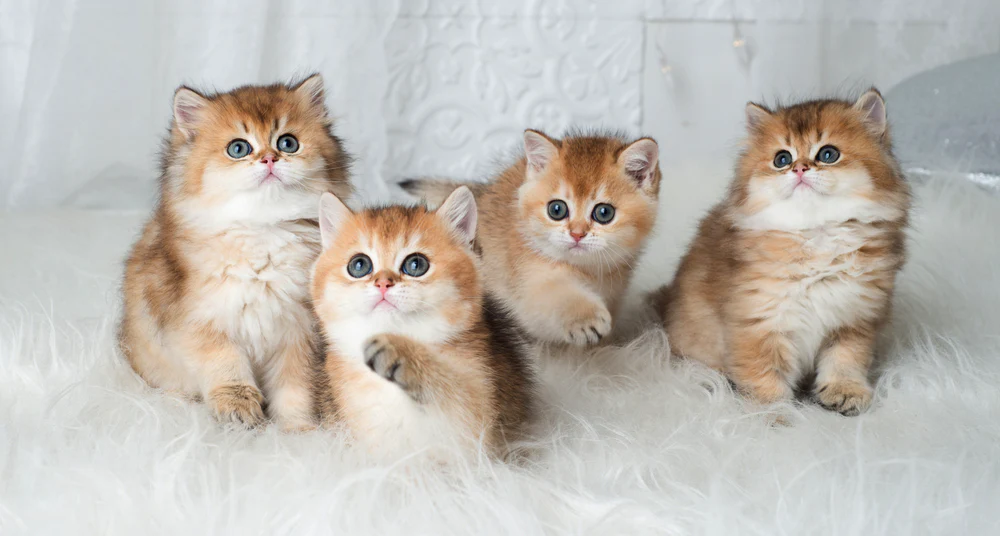
The British Shorthair is a beloved cat breed known for its charming personality and distinctive appearance, featuring a stocky build and dense coat. One of the most important considerations for potential and current owners is the lifespan of these feline companions. Understanding how long British Shorthairs typically live, along with the factors that influence their longevity, can help owners provide the best care possible. In this article, we will explore the average lifespan of British Shorthairs, the health issues they may face, and practical tips to enhance their well-being, ensuring that these affectionate cats live long, happy lives.
Overview of British Shorthair Lifespan
British Shorthairs are like the wise old owls of the cat world—well-loved for their charm and plushy paws, and they can live a surprisingly long life if cared for properly. On average, you can expect these lovely furballs to live between 12 to 20 years. It’s a solid span, giving you plenty of time to shower them with affection (and treats).
Average Lifespan Range
Typically, British Shorthairs will live for about 15 years, but they can stretch that number into their late teens or even hit the big 2-0 if they’re lucky and healthy. Factors like genetics, diet, and lifestyle play a crucial role, so it’s crucial to keep an eye on their well-being.
Comparison with Other Breeds
When comparing the British Shorthair to other breeds, they stand tall (or perhaps they just sit majestically) in the lifespan department. Most domestic cats live around 12-15 years, while some breeds like Siamese or Burmese can live longer, often pushing into two decades. It’s like the British Shorthair is the reliable friend who shows up consistently at every party!
Factors Influencing Lifespan
Several factors affect how long your British Shorthair will grace your life with its presence. Here’s a rundown of what can help your kitty stick around longer.
Genetics and Hereditary Factors
Just like we humans have our family traits—whether it’s a tall stature or a knack for baking—so do our feline friends. Genetic predispositions can contribute to various health issues, which in turn affect lifespan. If your cat hails from a healthy lineage with a history of longevity, you might just hit the kitty jackpot!
Environmental Influences
A cozy home filled with love, proper care, and a safe environment can significantly boost your British Shorthair’s lifespan. Indoor cats generally live longer than their outdoor counterparts since they’re less exposed to risks like traffic, predators, and the occasional rogue squirrel. So, think of your flat as kitty’s castle—safeguard their royal status!
Common Health Issues in British Shorthairs
Like any beloved breed, British Shorthairs are not immune to health woes. Here are a couple of common culprits that might shorten their royal reign.
Genetic Conditions
British Shorthairs can be prone to certain genetic conditions, such as hypertrophic cardiomyopathy (HCM), a heart disease that affects their pumping prowess. Regular vet check-ups and keeping an eye on any odd behavior can help catch these conditions early and keep your feline twirling in joy.
Age-Related Issues
As your kitty ages, it might start to feel its years—just like us. Common age-related issues like arthritis or dental problems may emerge. Staying proactive about medical care and monitoring their mobility can help keep your fluffball sprightly.
Nutrition and Its Impact on Longevity
Diet is the name of the game when it comes to your cat’s health. The right food can fortify their lives just like a good meal does for you after a long day.
Best Diet for British Shorthairs
A balanced diet rich in protein, essential fatty acids, and limited carbs is what these chubby-cheeked beauties crave. Seek out high-quality cat food that caters to their specific age and health needs. And remember, treats are lovely, but moderation is key unless you want a kitty that resembles a fluffy marshmallow!
Importance of Hydration
Hydration is just as vital for your British Shorthair’s longevity. Cats naturally have low thirst drives, so consider adding wet food to their diet or investing in a fancy cat water fountain to encourage them to hydrate. After all, we want them to feel as good as they look!
Importance of Regular Veterinary Care
Routine Check-Ups
Regular check-ups with your vet are like yearly check-ups for humans, but with a much higher chance of getting treats afterward. These visits can help catch potential health issues early, keep an eye on any weight gain (because let’s be honest, all that kibble is just too tempting), and ensure your British Shorthair is living its best life. Aim for at least one visit a year, and more frequently for older cats. After all, prevention is better than a surprise visit to the emergency vet!
Vaccinations and Preventative Care
Vaccinations are to your cat what a suit of armor is to a knight: essential for facing the outside world (or just that pesky neighbor’s dog). Keeping vaccinations up-to-date protects your British Shorthair from various diseases that could cut short its royal reign in your home. Don’t forget about flea and tick prevention too—because a cat with fleas is about as enjoyable as a rainy picnic!
Tips for Enhancing Your British Shorthair’s Lifespan
Exercise and Mental Stimulation
Just because your British Shorthair looks like a fluffy potato doesn’t mean it should act like one! Incorporating playtime into your routine is crucial. Use toys that mimic prey—like feather wands or laser pointers—to keep your feline friend engaged. Who knew that a five-minute chase could burn off enough calories to save you from a second vet visit? Plus, a mentally stimulated cat is a happy cat, and happiness is the best longevity booster around!
Creating a Safe Home Environment
A safe home for your British Shorthair is like a fortress of solitude, but feline-style. Ensure your home is free from toxic plants, small objects that could become treacherous snacks, and any sneaky escape routes. Invest in sturdy cat trees and scratching posts to keep their claws—and curiosity—satisfied. Remember, a happy cat is a healthy cat, and that means less chance of future vet bills for misadventures!
Comparing Lifespan with Other Cat Breeds
Longevity of Purebred vs. Mixed Breed Cats
On average, British Shorthairs live around 12 to 20 years, which sounds pretty good until you hear about mixed breed cats that often outlive them, sometimes reaching 15 to 20 years! It’s like the marathon runners of the feline world versus the sprinters. However, purebreds might face specific genetic issues, so it’s always about balance. Just remember, whether purebred or mixed, love and care can extend any cat’s lifespan, making every moment count.
Similar Breeds and Their Lifespans
When comparing British Shorthairs to similar breeds like the American Shorthair or the Scottish Fold, you’ll find that they have quite comparable lifespans—usually hovering in the 12 to 15-year range. However, breeds like the Ragdoll may lean a bit on the longer side, sometimes reaching up to 20 years. Of course, every cat is unique, and it often boils down to lifestyle and care. You can’t put a price tag on love, so shower your kitty with it regardless of breed!
Conclusion: Ensuring a Long and Healthy Life for Your British Shorthair
Summary of Key Points
To wrap things up, keeping your British Shorthair healthy and happy involves regular veterinary care, preventative vaccinations, exercise, mental stimulation, and creating a safe environment. It’s like a recipe for cat longevity: add a pinch of love, a dash of playtime, and sprinkle in some routine check-ups. Mix well, and you’ll have a contented kitty for years to come.
Final Thoughts on Caring for British Shorthairs
In the grand scheme of things, British Shorthairs are more than just adorable fluff balls; they’re family members that deserve the best care. By following the tips laid out here, you’ll not only enhance their lifespan but also fill your home with joy, laughter, and perhaps a few mischievous antics that make every day an adventure. So, go ahead and pamper that regal furball—you both deserve it! In conclusion, while British Shorthairs generally enjoy a long and healthy life, their longevity can be significantly influenced by various factors such as genetics, diet, and regular veterinary care. By being proactive in addressing their health needs and providing a nurturing environment, owners can help their British Shorthairs thrive for many years. Ultimately, the bond shared with these delightful cats makes every moment spent together truly rewarding, emphasizing the importance of caring for them throughout their lives.
Frequently Asked Questions
1. What is the average lifespan of a British Shorthair?
The average lifespan of a British Shorthair is typically between 12 to 20 years, depending on various factors such as genetics and overall care.
2. Are British Shorthairs prone to specific health issues?
Yes, British Shorthairs can be prone to certain health issues, including obesity, heart disease, and genetic conditions like hypertrophic cardiomyopathy.
3. How can I ensure my British Shorthair lives a long life?
To enhance your British Shorthair’s lifespan, provide a balanced diet, regular veterinary check-ups, exercise, and a safe, stimulating environment.
4. Do indoor British Shorthairs live longer than outdoor ones?
Generally, indoor British Shorthairs tend to live longer than outdoor ones due to reduced risks of accidents, diseases, and predators.