
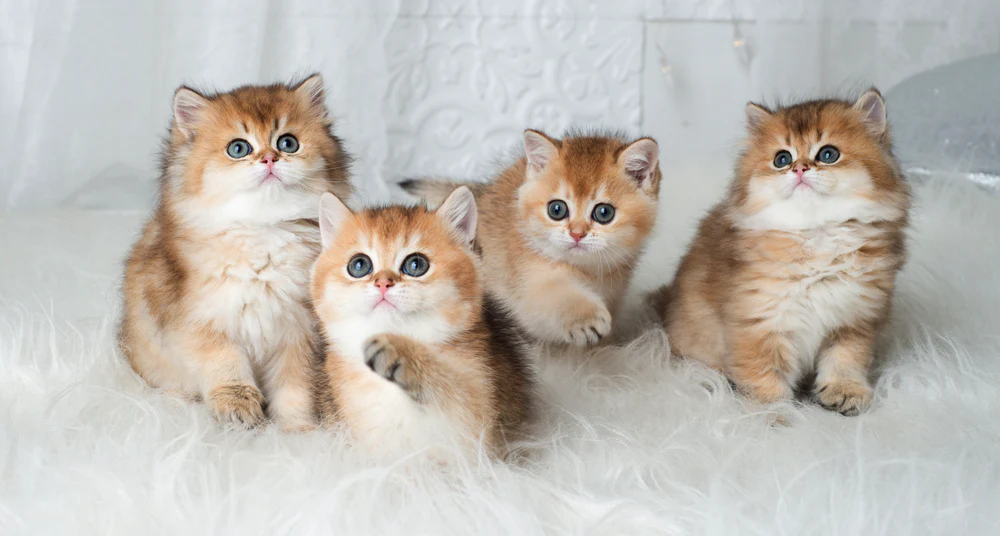
The British Shorthair is one of the most popular cat breeds, cherished for its striking appearance and friendly demeanor. As prospective owners often wonder about their size and growth patterns, understanding how big these cats can get is essential for ensuring proper care and a suitable environment. In this article, we will explore the average size and weight of British Shorthairs, the factors influencing their growth, and provide insights into their development stages, all while comparing them to other breeds. Whether you’re a new owner or considering adding a British Shorthair to your family, this comprehensive guide will help you understand what to expect as your feline companion grows.
Overview of British Shorthair Breed
History and Origins
The British Shorthair’s story is as rich as its plush coat. Originating in Britain, these cats can trace their lineage back to ancient Rome, where they were bred for their ability to catch rodents. Fast forward a few centuries, and they became the quintessential British companion—think of them as the aristocrats of the feline world. Their charm caught the eye of cat fanciers in the late 19th century, leading to their official recognition and rise to fame. Today, they’re celebrated not only for their historical significance but also for their lovable, easygoing personality.
Physical Characteristics
British Shorthairs are like the muscular athletes of the cat kingdom—short, stout, and incredibly plush. With a broad, rounded head, chubby cheeks, and strikingly large eyes, they’re practically built for cuteness overload. Their coat, which resembles a soft teddy bear, comes in a rainbow of colors and patterns, but that classic blue-grey is what many people associate with the breed. These cats have a sturdy build, thick legs, and a tail that’s just the right size—short enough to be cute but long enough to show they mean business when it comes to playtime.
Average Size and Weight
Typical Weight Ranges
When it comes to weight, British Shorthairs can range quite a bit, like clothes in a thrift store. On average, males weigh between 9 to 18 pounds, while females are a tad lighter, typically ranging from 7 to 12 pounds. Of course, there are always exceptions, especially if they’ve mastered the art of sneak-eating while you’re not looking. Just remember: heavy is fine as long as it’s muscle and not just a love for midnight snacks!
Height and Length Measurements
In terms of height, these cats generally stand about 12 to 14 inches at the shoulder. If you were to measure them from the tip of their nose to the end of their tail, they can span anywhere from 18 to 20 inches. So, while they might not be winning any “tallest cat” awards, they certainly have the “cuddliest” title locked down—with room to spare.
Factors Influencing Growth
Genetics
Genetics plays a starring role in how big your British Shorthair will grow. If their parents were hefty little fluffballs, there’s a good chance junior is set to follow in their footsteps. Certain genetic traits determine everything from size to coat color, and while you can’t change your cat’s lineage, you can ensure they’ve inherited a good dose of love and snuggles along with those genes.
Nutrition and Diet
Like any growing creature (including your bottomless pit of a teenager), diet is crucial. A balanced diet rich in high-quality protein ensures that your British Shorthair develops into a muscular, healthy adult without tipping the scales into ‘too much love’ territory. Always check with your vet to find the right food and portion sizes, because overindulgence in treats can turn your cute kitty into a fluffy couch potato—no one wants that!
Environment and Lifestyle
The environment also plays a significant role in how big your British Shorthair will grow. Cats that lead a more active lifestyle, with plenty of playtime and mental stimulation, tend to maintain a healthy weight and muscle mass. If your kitty is living the sedentary dream, however—think lounging in sunbeams and occasional dashes for the laser pointer—they may end up slightly on the fluffier side. So, it’s wise to keep things engaging and dynamic to promote optimal growth!
Growth Stages of British Shorthairs
Kittens: Birth to Six Months
During their kittenhood, which lasts from birth to about six months, British Shorthairs are tiny bundles of energy. They’ll grow rapidly, usually reaching about half their adult size by the time they hit six months. It’s the perfect time to socialize them and introduce them to different environments. Just be prepared for endless play sessions and adorably clumsy antics as they figure out their limbs.
Young Adults: Six Months to Two Years
From six months to two years, British Shorthairs transition into their teenage years—think of it as the awkward phase where they’re all limbs and fluff. This is when they bulk up, both in size and personality. Males generally continue to grow until about two years old, while females might stop a bit earlier. This stage is also where they start to showcase their unique personalities, mixing mischief with moments of royal elegance.
Adults: Two Years and Beyond
Once they reach two years of age, British Shorthairs are considered adults. By now, they’re at their full size and weight, strutting around like they own the place (which they probably do). While they’ll still have their playful moments, you’ll notice a tendency towards laid-back lounging on the nearest windowsill, contemplating life. Adult British Shorthairs are all about that serene life—eating, napping, and occasionally deigning to play with their humans.
Comparison with Other Cat Breeds
Size Comparison with Domestic Cats
British Shorthairs are like the gentle giants of the cat kingdom. On average, they weigh anywhere from 9 to 18 pounds and stand about 10 to 12 inches tall. This makes them larger than your average domestic cat, which typically weighs between 7 to 12 pounds. So, if you were to line up a British Shorthair next to a regular tabby, you might think the latter just got hit with a growth spell—but no magic involved, just some fluffy genetics at play!
British Shorthairs vs. Similar Breeds
When pitted against similar breeds like the American Shorthair or the Scottish Fold, British Shorthairs still hold their ground (and their belly). American Shorthairs average around 8 to 15 pounds, and Scottish Folds usually tip the scales at about the same as British Shorthairs, around 9 to 13 pounds. The British Shorthair’s stocky build and broad face set it apart, making it the heavyweight champion of cuddle sessions. Let’s just say, if you’re looking for a cat that can double as a cozy pillow, this breed is your top draft pick.
Health Implications of Size
Common Health Issues in Overweight Cats
As cute as those chunky cheeks may be, being overweight can lead to some serious health frolics for your British Shorthair. Common issues include diabetes, arthritis, and heart disease. These hefty furballs can develop a penchant for lounging rather than leaping, leading to an unhealthy lifestyle. It’s important to keep an eye on their waistline, or you might end up with a kitty who puts the “couch” in “couch potato.”
Maintaining a Healthy Weight
To avoid the aforementioned health hiccups, keeping your British Shorthair at a healthy weight is crucial. Monitoring their food intake, providing nutritious meals, and knowing their ideal weight range—usually between 9 and 18 pounds—can be a game changer. Think of it as playing the long game: a bit of extra playtime and fewer treats now can lead to a longer, happier life for your furry friend.
Tips for Caring for Growing British Shorthairs
Feeding Recommendations
Your British Shorthair’s diet should be as refined as their appearance. High-quality cat food with rich protein content is the way to go—think chicken, turkey, or fish. Portion control is key here, so measure out their daily serving to prevent them from looking at you with those big, pleading eyes and “suggesting” a second dinner. Also, consider spreading their meals across the day to keep their feline metabolism on point and those whiskers twitching with excitement.
Exercise and Play
Keeping your British Shorthair active doesn’t mean you have to summon your inner feline acrobat. Engaging them in playful activities is quite sufficient! Interactive toys, feather wands, and even a good ol’ laser pointer can inspire some serious zoomies. Just think of it as a workout session where you’re the personal trainer. Plus, you get to bond while watching them pounce like they’re auditioning for a cat version of the Olympics.
Regular Veterinary Check-ups
Regular vet visits are like a spa day for your British Shorthair—minus the cucumber slices on their eyes. Keeping up with vaccinations, dental check-ups, and weight assessments will ensure that your fluffy friend stays on the path to health. Your vet can also offer tailored advice on diet and exercise specific to your British Shorthair’s needs, so they can continue to thrive.
Conclusion: Understanding Your British Shorthair’s Growth
Key Takeaways
To sum it all up, British Shorthairs can grow to be larger than your average domestic cat, and their size does come with some specific health considerations. Maintain a healthy weight through proper diet, exercise, and routine vet visits. The key is to strike a balance between love (extra treats) and good care—because who can resist those adorable faces?
Final Thoughts on Size and Care
Ultimately, understanding your British Shorthair’s growth is all about nurturing their unique personality and size while keeping their health in check. With some dedicated care and a sprinkle of love, you’ll turn that adorable fluff-ball into a healthy and happy companion—one who’s not just big in size, but also in heart! In conclusion, understanding the size and growth patterns of British Shorthairs is crucial for any cat owner. By being aware of their average weight, growth stages, and the factors that influence their development, you can provide the best care for your furry friend. Remember to focus on a balanced diet, regular exercise, and routine veterinary check-ups to ensure your British Shorthair remains healthy and happy throughout its life. With the right knowledge and care, you’ll be rewarded with a loyal and loving companion for many years to come.
Frequently Asked Questions
What is the average lifespan of a British Shorthair?
The average lifespan of a British Shorthair is typically between 12 to 20 years, depending on genetics, diet, and overall health care.
At what age do British Shorthairs reach full size?
British Shorthairs generally reach their full size around 3 to 5 years of age, although they may continue to fill out and develop muscle tone until they are about 2 years old.
Are British Shorthairs prone to any health issues related to their size?
Yes, like many breeds, British Shorthairs can be prone to certain health issues, such as obesity, which can lead to complications like diabetes and joint problems. Regular check-ups and a balanced diet are essential for prevention.
How can I help my British Shorthair maintain a healthy weight?
To help your British Shorthair maintain a healthy weight, provide a well-balanced diet, ensure they get regular exercise through play and interactive activities, and monitor their food intake to prevent overeating.