
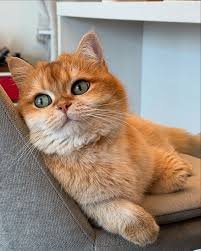
The Brown British Shorthair cat is a captivating breed known for its distinctive appearance and charming personality. With their round faces, dense coats, and striking copper eyes, these cats are not only visually appealing but also bring a unique blend of traits that make them excellent companions. Originating from the United Kingdom, the breed has a rich history and has become increasingly popular among cat lovers around the world. This article will delve into the key characteristics, care requirements, and overall appeal of the Brown British Shorthair, providing potential owners with valuable insights into this delightful feline breed.
Overview of Brown British Shorthair Cats
Brown British Shorthair cats are the embodiment of feline charm, with a plush coat and a laid-back demeanor that can make anyone weak at the knees. Their rich, chocolate-colored fur is reminiscent of melted chocolate—just don’t try to eat them! With a solid build and round face, these cats have an air of regal aloofness coupled with a dash of cuddly charm.
What Makes Them Unique?
What sets the Brown British Shorthair apart is not just their color but also their delightful personality. They exude a calm confidence that makes them excellent companions. Their shiny, golden-brown coat is striking, and their broad, rounded faces offer a perpetual expression of curiosity and mischief. Unique among their peers, they often seem to embody the perfect blend of aristocrat and cuddly teddy bear.
Comparison to Other British Shorthair Colors
While the Brown British Shorthair steals the show with its rich fur, other colors like blue, cream, and even lilac have their own charm. Blue coats are like a cloudy day—soothing and serene—whereas the cream is as light and fluffy as a summer breeze. However, the brown variant stands out due to its distinctive hue and the depth of its personality. It’s often said that brown Shorthairs give off a more grounded vibe compared to their colorful counterparts, making them perfect for those who enjoy a little less drama and a bit more love.
Distinctive Physical Traits
Brown British Shorthairs are built like tiny tanks, with a muscular frame and a plush, rounded appearance. Don’t be fooled by their cute looks; these cats have a robust structure that exudes strength.
Coat Color and Texture
Their coat is nothing short of luxurious, with a dense, plush texture that feels like petting a cuddly cloud. The rich brown shade varies from a lighter chocolate to an almost sable hue, giving them a warm, inviting appearance. The coat’s density helps to keep them warm in winter and cool in summer—practicality at its finest!
Body Structure and Size
These felines boast a compact and stocky build, with a broad chest, thick neck, and short, sturdy legs. They generally weigh between 9 to 18 pounds, depending on whether they’ve been snacking on too many treats or just maintaining their royal figure. Their rounded faces are complemented by chubby cheeks, which only enhance their adorableness!
Eye Color Variations
Brown British Shorthairs typically sport copper or gold eyes that can spark like tiny suns against their dark fur. Some may even have greenish hues depending on genetics—making them even more eye-catching. Those expressive eyes convey their moods beautifully, from playful curiosity to deep contemplative stares (which often seem to say, “Would you like to serve me dinner now?”).
Temperament and Personality
Known for being easygoing, these cats embody the phrase “cool as a cucumber.” They have a laid-back attitude that makes them incredibly easy to live with, often fitting seamlessly into family life.
General Behavior and Mannerisms
Brown British Shorthairs are charmingly ambivalent. They may snuggle on your lap one minute and then decide they’d rather reign from their favorite perch the next. They’re not overly clingy but will enjoy your company—like a wise friend who prefers to watch Netflix with you rather than drag you out to socialize (a true introvert’s cat!).
Interaction with Humans and Other Pets
These cats are usually friendly and sociable, often forming close bonds with their humans. They typically get along well with other pets but may show a hint of dominance—think of them as the cool kids at school who don’t mind sharing the spotlight but still expect respect. With patience, they can be delightful companions for both kids and other animals.
Intelligence and Trainability
Intelligent and curious, Brown British Shorthairs can learn various tricks and commands, especially when bribes (a.k.a. treats) are involved. Their intelligence makes them engaging, but they also have a streak of independence that reminds us they’re the ones in charge—after all, who can argue with a cat that believes they’re royalty?
Care and Maintenance
Like a fine chocolate soufflé, these cats require some careful handling to keep them in peak condition. With a little attention to their needs, you’ll have a happy, healthy feline companion.
Feeding Guidelines
Providing a balanced diet tailored to their age, size, and activity level is essential. High-quality commercial cat food is always a good choice, and they may appreciate a mix of wet and dry food—just imagine serving them a delightful buffet every day. Remember to avoid overfeeding, as these little tanks can easily become a tad too tanky!
Grooming Needs
Grooming a Brown British Shorthair is a relatively easy task. Their dense coat requires regular brushing—about once a week should do the trick—to prevent loose fur and matting. Plus, who doesn’t love an excuse to bond with their furry friend? Regularly checking their ears and trimming their nails will ensure they stay in tip-top shape.
Exercise and Play Requirements
Brown British Shorthairs enjoy playtime, but they are not hyperactive cats. A few play sessions with toys like feather wands or laser pointers can keep them entertained and help maintain their trim figure. Just remember, they’re more likely to prefer a leisurely stroll around the house rather than a marathon, so keep those expectations realistic!
Health Considerations
Common Health Issues
Brown British Shorthairs are generally robust, but they’re not immune to a few sneaky health issues. The most common culprits include obesity, which can lead to a host of issues like diabetes and joint problems, as well as hypertrophic cardiomyopathy (HCM), a fancy term for heart disease. It’s essential to monitor their weight and keep an eye on their heart health—those fluffy forms can hide trouble in the cuteness department!
Preventive Care and Regular Check-ups
Just like we humans adore a good health check-up (or an excuse to sit in a waiting room with a magazine), your brown British Shorthair needs regular vet visits too. Annual check-ups are key to catching any health concerns early on. Don’t forget vaccinations, dental care, and parasite control. It may not be their favorite outing, but it’s crucial for keeping them gossiping about feline health trends for years to come!
Life Expectancy
With a good diet, lots of love, and regular vet visits, your brown British Shorthair can live an impressive 12 to 20 years. That’s right! They could be your loyal sidekick for two whole decades. Just think of the adventures you’ll share—endless cuddles, lazy afternoons, and absolutely zero interest in your plans for the evening!
History and Origins
Development of the Breed
The brown British Shorthair’s roots go way back to the Roman era, when they strutted around as the original mousing champions. Over time, breeding practices refined them into the plush bundles of joy we adore today. While their coat color may give them a “chocolatey” vibe, their hearts are pure gold. The breed was officially recognized in the late 19th century—an eyebrow-raising makeover that transformed them into the dapper darlings of the cat world.
Role in British Culture
These cats aren’t just lounging around—they’ve earned their stripes in British culture! From classic literature to films, the British Shorthair has charmed its way into our homes and hearts. They symbolize everything cozy and quintessentially British, often depicted as wise companions to iconic characters. Seriously, if you haven’t seen one in a period piece, did it even happen?
Popularity and Cultural Significance
Famous Brown British Shorthairs in Media
When it comes to celebrity cats, the brown British Shorthair is a purring sensation. Think of Puss in Boots in “Shrek”—that suave feline had us all saying “meow” in delight. In addition, the breed has graced countless Instagram accounts, flaunting their regal looks and sassy attitudes. Could they be the ultimate trendsetters? Absolutely, and their followers are many!
Popularity Trends Over the Years
Once the shining star of cat shows, the brown British Shorthair has seen a bit of a renaissance in recent years. With their playful yet dignified vibe, they’ve enchanted pet owners everywhere. Thanks to social media, we’ve witnessed a rise in their popularity, proving that everyone needs a chubby cat to add cheer to their timeline! Keep your eyes peeled; these charming furballs are here to stay, making their mark across households.
Tips for Potential Owners
Choosing a Reputable Breeder
If you’re leaning towards adding a brown British Shorthair to your family, it’s crucial to find a reputable breeder. Look for someone who prioritizes health, genetics, and socialization. A good breeder will be more than happy to show you their parent cats and the little furballs they have on offer—transparency is key! After all, no one wants mysterious cat origins that could lead to unexpected surprises.
Adoption vs. Buying
Now, let’s address the big question: should you adopt or buy? While purchasing from breeders can ensure you get a specific pedigree, don’t overlook your local shelters! Many adorable kitties are looking for homes, including British Shorthairs who might just need a little TLC. You might find your new best friend, and you’ll also be a hero—talk about a win-win!
Preparing Your Home for a Brown British Shorthair
Ready to welcome your new furry friend? Time to whip your home into shape! Ensure you have a cozy space filled with comfy beds, scratching posts, and plenty of toys (because who doesn’t love a good feather wand?). Don’t forget to cat-proof your furniture and hide those cords. Your new brown British Shorthair will be busy exploring, so a little preemptive organization will go a long way in avoiding kitty chaos. Happy cat-parenting! In conclusion, the Brown British Shorthair cat is a wonderful addition to any home, offering a blend of beauty, intelligence, and affectionate companionship. Their unique characteristics and manageable care requirements make them suitable for a variety of lifestyles.
Frequently Asked Questions
What is the average lifespan of a Brown British Shorthair cat?
The average lifespan of a Brown British Shorthair cat is typically between 12 to 20 years, depending on genetics, health care, and living conditions.
Do Brown British Shorthair cats require special grooming?
While their dense coats do require regular brushing to minimize shedding and matting, Brown British Shorthairs are generally low-maintenance in terms of grooming compared to some other breeds.
Are Brown British Shorthair cats good with children and other pets?
Yes, Brown British Shorthairs are known for their gentle and friendly nature, making them great companions for children and other pets when properly socialized.
What should I feed my Brown British Shorthair cat?
A balanced diet of high-quality cat food, tailored to their age and health needs, is recommended. It’s important to monitor their weight, as they can be prone to obesity.