
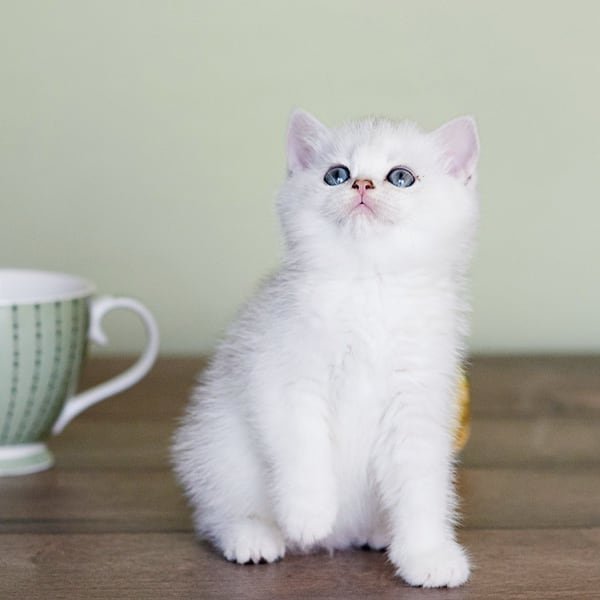
The British Shorthair is a beloved breed known for its robust appearance and gentle demeanor, and among its various colorings, the striking white variant stands out as particularly captivating. With their plush coats, captivating eye colors, and charming personalities, white British Shorthairs have garnered a dedicated following among cat enthusiasts. This article delves into the unique characteristics, care requirements, and health considerations specific to white British Shorthairs, while also exploring their historical background and the increasing demand for these elegant felines. Whether you are considering adding one to your family or simply wish to learn more about this enchanting breed, this comprehensive guide offers valuable insights into the world of white British Shorthairs.
Overview of the British Shorthair Breed
The British Shorthair is the cuddly teddy bear of the feline world—if teddy bears had whiskers and a penchant for napping in sunbeams. Renowned for their sturdy build and plush coat, these cats are not just a pretty face; they embody a mix of independence and affection that makes them perfect companions for both singletons and families. With a calm demeanor and a touch of British charm, they’ve won the hearts of cat lovers around the globe.
Physical Traits and Appearance
British Shorthairs are like the bodybuilders of the cat species—muscular and sturdy, with broad chests and powerful limbs. Their round faces and large, expressive eyes give them that perpetually surprised look, as if they’ve just discovered that tuna exists. The signature short, dense coat adds to their plush appearance, making them feel like a walking cloud of cuteness.
Common Color Variations
While the classic British Shorthair comes in a variety of colors, including blue (a fancy term for gray), cream, and black, one of the most striking variations is the white British Shorthair. Other popular shades include tabby and bicolor patterns. However, white remains a crowd favorite, showcasing their captivating features against a pristine backdrop.
Unique Characteristics of White British Shorthairs
White British Shorthairs are like the magical unicorns of their breed; they possess a certain ethereal quality that makes them stand out. Their snow-white coats are often complemented by breathtaking eye colors that range from copper to blue, making them a feast for the eyes.
Distinctive Coat and Eye Color
The coat of a white British Shorthair is not just any ordinary fur; it’s a luxurious, plush wonder that begs to be petted. The pure white hue can shimmer under the right light, and those eyes? Often resembling glimmering gemstones, the contrast between the coat and eye color can create an enchanting allure. It’s like they’ve stepped out of a fantasy novel—perfect for those who want their pet to be a real-life fairy tale character.
Behavioral Traits Specific to White Variants
In terms of personality, white British Shorthairs are known to retain the breed’s typical traits while also showing some unique quirks. They can be delightfully playful yet surprisingly laid-back, striking a perfect balance that keeps their humans entertained. Their charming demeanor often draws people in, leading to potential cat-sitting offers from friends who can’t resist their fluffy magnetism.
History and Origins of the British Shorthair
The British Shorthair boasts a rich history that dates back to Roman times, making them essentially the historical celebrities of the feline world. They were bred for their hunting prowess and later gained popularity for their affectionate nature.
Historical Significance in Britain
Initially kept as working cats to control vermin, the British Shorthair’s role evolved as they became companions to many British households. Over the years, they’ve appeared in literature, art, and, of course, in the hearts of those who adore them. You could say they’ve gone from rags to riches—well, in terms of cultural significance at least.
Development of the Breed Standards
In the 19th century, the British Shorthair was officially recognized by cat fanciers who established breed standards. These standards emphasized not only their physical attributes, such as their muscular build and dense coat but also their temperament traits, which highlighted their friendly and adaptable nature. As the breed evolved, these defining characteristics helped solidify their status as beloved cats across the globe.
Grooming and Care for White British Shorthairs
Just like any good relationship, proper grooming is key to maintaining your white British Shorthair’s beauty and health. Their plush coats may look low-maintenance, but regular care ensures they stay looking like the regal queens and kings they are.
Coat Maintenance and Grooming Tips
To keep that stunning coat in tip-top shape, brush your white British Shorthair at least once a week to remove dead hair and reduce shedding. This also helps prevent those unsightly tangles that can occur when fluff meets fluff. Plus, regular grooming sessions are an excellent excuse for extra bonding time—both of you will love it!
Diet and Nutrition Requirements
Feeding your British Shorthair the right diet is crucial, especially since they’re prone to weight gain. High-quality cat food that is well-balanced with protein, fats, and carbohydrates will keep them purring happily. Make sure to adjust portions and keep an eye on their treats—after all, we don’t want them turning into fluffy potatoes!
Health Considerations for White British Shorthairs
Common Health Issues in the Breed
White British Shorthairs, while charming and cuddly, aren’t immune to health hiccups. They can be prone to certain conditions such as hypertrophic cardiomyopathy (HCM), a heart disease that loves to sneak up on felines. Ear infections may also be a concern, especially for our fair-furred friends, as their beautiful, plush coats can harbor dirt and debris. Keep an eye out for any unusual behaviors, and make sure to show them some love during vet visits!
Regular Veterinary Care and Checkups
Regular vet checkups are about as essential for your white British Shorthair as catnip is for their happiness. Schedule annual visits (or bi-annual if they’re reaching their golden years), ensuring vaccinations are up to date and any lurking health issues are caught early. Don’t forget about dental care; brushing their pearly whites isn’t just for humans! These efforts will help keep your feline feeling purr-fect.
Temperament and Personality Traits
Social Behavior and Interaction with Humans
These delightful fluffballs are known for their gentle and affectionate nature. The white British Shorthair is like that friend who brings snacks to the movie night—always a pleasure to be around! They enjoy being the center of your universe but won’t judge you if you binge-watch that new show alone (at least not too harshly). Expect your furry friend to follow you around, seeking attention and cuddles—because let’s face it, who can resist that adorable face?
Popularity and Demand for White British Shorthairs
Market Trends and Pricing
The demand for white British Shorthairs is climbing higher than your internet browser history after a few late-night scrolls. They’re quite the fashion statement in the feline world, which reflects in their price tag. Depending on the breeder and lineage, you might be looking at anywhere from $1,000 to $3,000. Remember, a higher price often promises a happier, healthier kitten, so don’t skimp on research!
Breeder Recommendations and Selection
Not all heroes wear capes, but responsible breeders certainly wear their experience like one. When on the hunt for your purry companion, seek breeders with a good reputation and transparency about their breeding practices. A good breeder will be as keen on finding the right home for their kittens as you are on finding the right friend. Make sure they’re willing to answer your questions—after all, you’re not just adopting a cat; you’re gaining a fluffy family member!
Tips for Choosing a White British Shorthair Kitten
Evaluating Health and Temperament
When diving into the adorable world of white British Shorthair kittens, make health and temperament your top priorities. Look for playful, active kittens with clear eyes and healthy coats—no one wants a kitty with that “just rolled out of bed” look! Pay attention to their social interactions; a well-rounded kitten will engage with you and its littermates, showcasing that delightful personality everyone raves about.
Questions to Ask Breeders
Before signing on the dotted line (or pawing at a contract), arm yourself with questions that would impress even the snobbiest cat show judges. Ask about the kitten’s health history, vaccinations, and any genetic testing done on the parents. Inquire about socialization efforts and how they handle any quirks of the breed. And don’t forget to ask if you can meet the parents—after all, great things come from great lineage! In conclusion, the white British Shorthair is a remarkable breed that combines beauty, charm, and a gentle temperament, making them a delightful addition to any household.
Frequently Asked Questions
What is the average lifespan of a white British Shorthair?
The average lifespan of a white British Shorthair typically ranges from 12 to 20 years, depending on genetics, diet, and overall care.
Are white British Shorthairs prone to any specific health issues?
While white British Shorthairs are generally healthy, they can be prone to certain breed-specific conditions such as heart disease and obesity, making regular veterinary check-ups essential.
Do white British Shorthairs require special grooming?
White British Shorthairs have a dense, plush coat that benefits from regular brushing to prevent matting and reduce shedding, especially during seasonal changes.
How do white British Shorthairs typically behave around children and other pets?
White British Shorthairs are known for their friendly and sociable nature, making them great companions for children and often compatible with other pets when properly introduced.