
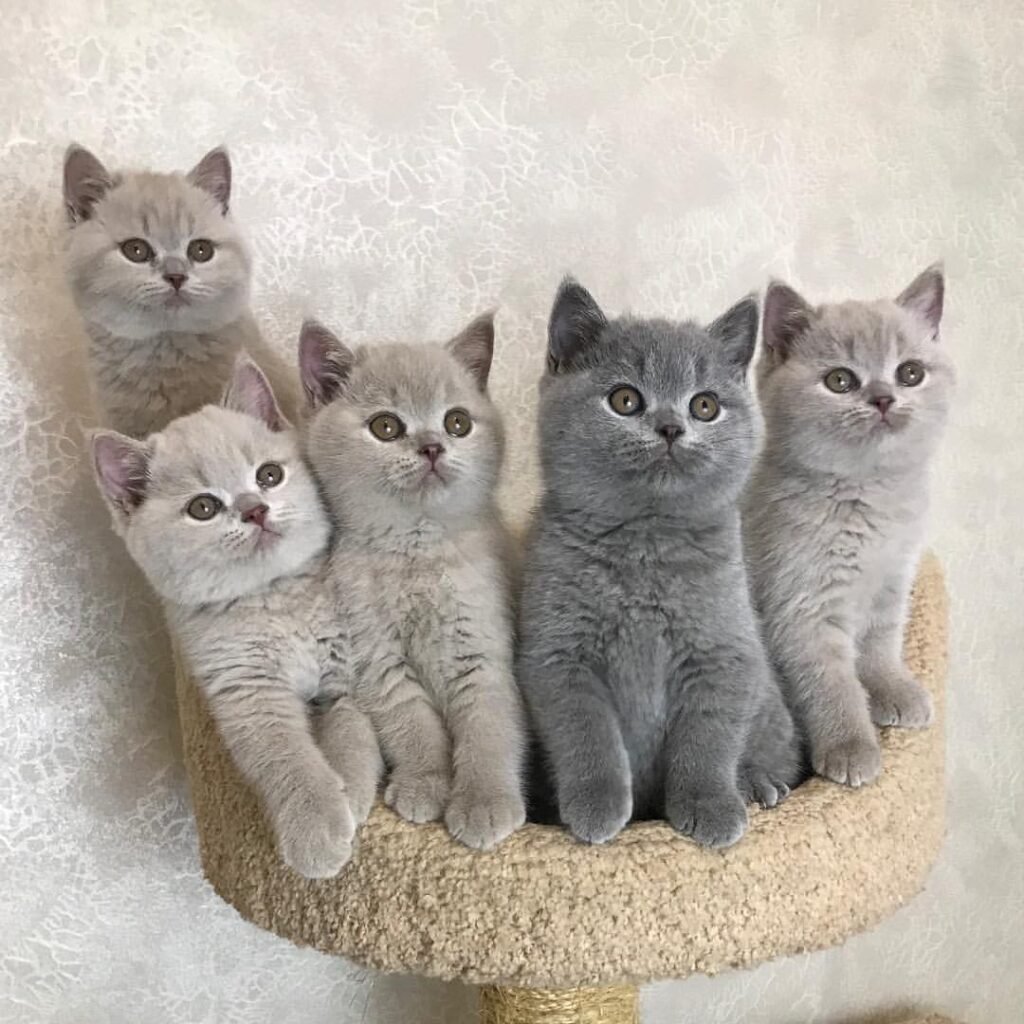
British Shorthair kittens are known for their charming personalities, stunning appearance, and affectionate nature, making them one of the most sought-after cat breeds around the world. With their distinctive round faces, plush coats, and sturdy bodies, these kittens not only capture the hearts of cat lovers but also adapt well to various living situations. If you’re considering adding a British Shorthair kitten to your family, this guide will provide you with essential information on their characteristics, how to find reputable breeders near you, and tips for ensuring you choose a healthy and happy companion. Whether you’re a first-time pet owner or an experienced cat enthusiast, understanding the specifics about British Shorthair kittens will help you make an informed decision.
Overview of British Shorthair Kittens
History and Origin
The British Shorthair is the original British feline, rooted in the Roman era when cats were brought over to control pests. They’re like the ancient guardians of British homes, evolving over centuries into the charming companions we adore today. With a history steeped in regal homes and folklore, these fluffy bundles have been the inspiration for everything from artwork to literature.
Physical Characteristics
British Shorthair kittens are the poster children for the “round and cuddly” aesthetic. With broad faces, large round eyes, and sturdy bodies, they’re like little boulders of fur. Their dense coat gives them a plush, teddy-bear-like appearance. Plus, their paws are thick and rounded—perfect for making those “I’m a tough kitty” steps while simultaneously looking adorably clumsy.
Temperament and Behavior
With a personality as delightful as their appearance, British Shorthairs are known for being calm, affectionate, and independent. Think of them as the chill buddy who is always down for a cuddle but won’t mind if you’re busy binge-watching your favorite series alone. They enjoy being around people but don’t demand constant attention—ideal for those who like a low-maintenance feline friend!
Characteristics of British Shorthair Kittens
Coat Colors and Patterns
One of the most delightful aspects of British Shorthair kittens is their diverse palette. From classic blues to creamy whites, and even a rainbow of shades like lilac and chocolate, these kittens can be true fashionistas. Patterns range from solid to tabby, bicolor to colorpoint—making each kitten an individual work of furry art!
Size and Growth Expectations
When it comes to size, British Shorthairs are generally medium to large. Male kittens can weigh 9 to 17 pounds while females usually tip the scales at 7 to 12 pounds once fully grown. They grow steadily during their first year and can take up to four years to reach their full size. So, patience is key—as well as keeping an eye on those hefty portions of kibble!
Health Considerations
Like any breed, British Shorthairs come with a few health quirks to keep in mind. They can be prone to obesity and certain hereditary conditions like hypertrophic cardiomyopathy (HCM). Regular vet check-ups and a balanced diet can help keep your kitten in tip-top shape—because who wants a chunky cat when you could have a regal one prancing about the house?
Finding British Shorthair Kittens for Sale Near You
Online Resources and Websites
The internet is a treasure trove of information and resources when searching for British Shorthair kittens. Websites like Petfinder, Adoptapet, or specialized breed clubs can connect you with reputable breeders and shelters. Just make sure to verify that everyone involved is legit—because the last thing you want is to end up with a kitten that comes from a less-than-reputable source.
Local Classifieds and Social Media
Don’t underestimate the power of your local classifieds or social media groups. Facebook Marketplace, Craigslist, and local pet groups often have people looking to rehome kittens or those who are breeders. Just remember to be cautious, verify the seller, and take your detective hat—once you find that adorable bundle of fur, you’ll want to make sure they’re as healthy as they are cute!
Networking with Other Cat Owners
Sometimes, the best leads come from fellow cat lovers! Join local cat clubs, attend cat shows, or just chat with friends and family who might be in the know. Other cat owners can share their experiences or recommend breeders, making your search a little easier and a lot more personable. Plus, you might just make some new feline-loving friends along the way!
Reputable Breeders vs. Pet Stores
Identifying a Reputable Breeder
Finding a reputable breeder is key to ensuring you’re getting a healthy and well-socialized British Shorthair kitten. Look for breeders who prioritize health testing, maintain a clean environment, and are open about their breeding practices. A good breeder will also be more than happy to show you their cats in person and answer any of your burning questions—because transparency is a must!
Pros and Cons of Pet Stores
Pet stores can sometimes offer the allure of cute kittens in a conveniently packaged setting, but proceed with caution. Pros include immediate availability and a variety of breeds. However, the cons often outweigh the pros: many kittens in pet stores come from puppy mills or lack the proper care and socialization. Plus, supporting local breeders is generally better for the overall well-being of our furry friends.
Questions to Ask Before Purchase
Before you shell out your hard-earned money for that cute little ball of fluff, make sure to ask the right questions:
– What health screenings have been done?
– Can you provide references from previous buyers?
– What’s the kitten’s socialization history?
– Are there any warranties or guarantees?
The right questions will not only protect your investment but may well save you from future heartaches. Remember, when it comes to your future feline friend, doing your homework is the name of the game!
Tips for Choosing a Healthy Kitten
Signs of a Healthy Kitten
When scouting for your future furry friend, keep an eye out for several telltale signs of health. A healthy British Shorthair kitten should have clear eyes that aren’t teary and a clean, shiny coat—no surprise there! Check for a pink, moist nose, and be wary of any persistent sneezing or coughing. A playful demeanor and a good appetite are also indicators of a happy, healthy kitten. If they pounce on your fingers with enthusiasm, you’re probably onto a winner!
Importance of Vaccinations
Vaccinations are like a superhero cape for your kitten, protecting them from various diseases. When you bring home your British Shorthair, make sure they are up to date on their vaccinations, which typically include FVRCP (feline viral rhinotracheitis, calicivirus, and panleukopenia) and rabies. Not only do these shots help keep your kitty healthy, but they also contribute to the overall well-being of the feline population by preventing the spread of disease. Your kitten might not appreciate the prick, but trust us, it’s all in good fun (and health)!
Understanding Kitten Contracts
If you’re buying a British Shorthair, you may encounter a kitten contract. This is a fancy way of saying, “Hey, let’s make sure we’re both on the same page.” Contracts typically outline the breeder’s responsibilities (like health guarantees) and your obligations (such as spaying/neutering). Read it carefully—like a riveting novel. If anything seems fishy or unclear, don’t hesitate to ask questions. Remember, you want a trustworthy partner in your new kitten-adventuring journey!
Caring for Your British Shorthair Kitten
Nutrition and Feeding Guidelines
A well-fed kitten is a happy kitten (and a more likely candidate to leave your curtains unscathed). Choose high-quality kitten food rich in protein to fuel their growth and energy. Look for brands with meat as the first ingredient, and avoid those that seem more like a science experiment than a meal. Stick to a feeding schedule—kittens thrive on routine. And remember, no table scraps unless you want a feline begging expert in your home!
Grooming and Maintenance
British Shorthairs are low-maintenance when it comes to grooming, which means more time for snuggles! Their dense coat requires brushing about once a week to keep it looking fab and to reduce shedding. Don’t forget to check their ears and trim those claws regularly—your furniture will thank you! Bathing isn’t usually necessary unless they’ve embarked on a questionable adventure, so save that for the rare occasion when they’ve decided to roll in something suspicious.
Socialization and Training
Socialization is key for your British Shorthair to become the charming companion they’re meant to be. Expose them to different people, pets, and environments early on. Playtime is also essential for training—think feather toys and laser pointers! Positive reinforcement goes a long way; reward good behavior with treats and praise. Before you know it, your kitten will be the life of the paw-ty!
Cost and Financial Considerations
Initial Purchase Price
Before you fall head-over-paws for a British Shorthair, let’s talk dollars and cents. The initial purchase price can range from $1,500 to $3,000, depending on factors like breeder reputation, lineage, and location. If you’re going for the purebred trophy kitty, be prepared to make a dent in your wallet. But remember, this cost is an investment in cuteness—totally worth it when those fluffy cheeks come into play!
Ongoing Care Costs
Once you’ve got your kitten, the expenses don’t stop at adoption. Food, litter, regular vet check-ups, and grooming supplies will all contribute to your monthly expenses. Plan for at least $50 to $150 per month to keep your new friend feeling fabulous! Don’t forget to budget for toys; mental stimulation is crucial, and kittens love to treat their humans to an impromptu game of “catch the shoelace.”
Budgeting for Unexpected Expenses
Kittens can be unpredictable little beings, and sometimes their antics lead to unexpected vet bills or emergency trips to the clinic. Set aside a “kitten disaster fund”—say $500 to $1,000—just in case your new furball decides to get into a sticky situation (like swallowing your favorite pair of socks). Remember, being a pet parent comes with its own delightful surprises, so it pays to be prepared!
FAQs About British Shorthair Kittens
Common Behavioral Questions
First-time kitten owners may wonder, “Why is my kitten acting like a tornado?” Fear not! Kittens are naturally curious and energetic; they’ll zoom around, pounce on anything that moves, and occasionally exhibit cluelessness. This behavior is entirely normal; just provide them with toys and safe zones to explore. If you notice excessive aggression or lethargy, consult your vet to rule out any issues.
Health Concerns and Lifespan
British Shorthairs are generally healthy cats, boasting a lifespan of 12 to 20 years. However, they can be prone to certain health issues such as hypertrophic cardiomyopathy (a heart condition) and obesity. Regular vet visits and a well-balanced diet can help mitigate these risks. With proper care and love, your fluffy companion could very well be your partner in crime for many years to come!
Advice for First-Time Owners
Congratulations on considering a British Shorthair! As a first-time owner, be prepared for a whirlwind of joy, playful chaos, and the occasional fur tumbleweed. Start by creating a kitten-proof space in your home, and gather all the essentials (toys, scratching posts, carriers). Remember, patience is key, and every kitten is unique. Don’t hesitate to reach out to other cat owners or online communities for tips, tricks, and lots of kitty love! In conclusion, bringing a British Shorthair kitten into your home can be a rewarding experience filled with love and companionship. By focusing on their unique characteristics, understanding how to find reputable sources, and ensuring proper care, you can create a nurturing environment for your new furry friend. As you embark on this journey, remember to prioritize the health and happiness of your kitten, and enjoy the many joyful moments that come with being a pet owner.
FAQs About British Shorthair Kittens
What is the average lifespan of a British Shorthair kitten?
The average lifespan of a British Shorthair is typically between 12 to 20 years, depending on genetics, health care, and living conditions.
Are British Shorthair kittens suitable for families with children?
Yes, British Shorthair kittens are generally known for their calm and gentle temperament, making them great companions for families with children.
How much do British Shorthair kittens typically cost?
The price of a British Shorthair kitten can vary widely, typically ranging from $1,000 to $3,000, depending on the breeder, location, and lineage.
Do British Shorthair kittens require special grooming?
While their dense coats do require regular brushing to reduce shedding, British Shorthairs are relatively low-maintenance compared to other long-haired breeds.