
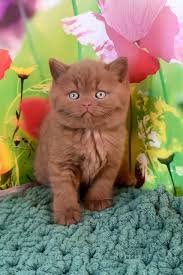
The British Shorthair is a beloved breed known for its distinctive appearance and charming personality, making it a popular choice among cat enthusiasts. Among the various color variations, the brown British Shorthair stands out with its rich, warm coat and striking features. This article delves into the unique characteristics, history, and care requirements of the brown British Shorthair, providing potential owners with valuable insights into this affectionate and robust breed. Whether you’re considering adding a brown British Shorthair to your family or simply wish to learn more about them, this comprehensive guide will equip you with essential knowledge about these captivating cats.
Overview of British Shorthair Cats
Physical Appearance
British Shorthairs are like the classic cool kids of the cat world. With their sturdy, muscular build and dense, plush coat, they exude an air of dignified charm. Their round faces and chubby cheeks give them a permanently adorable expression that could win over even the most hardened cat skeptic. Plus, those thick legs and broad shoulders? Talk about a cat that hits the gym!
Common Colors and Patterns
While British Shorthairs come in an array of colors, including blue, cream, and black, brown British Shorthairs are here to steal the show. The brown coat can range from a rich, warm chocolate to a lighter, almost tawny tone, and may feature a solid or tabby pattern. Think of them as the stylish, earthy tones of the cat kingdom – perfect for aesthetic Instagram shots!
Distinctive Features of the Breed
Aside from their stunning looks, British Shorthairs are known for their relaxed demeanor and sweet nature. They’re the quintessential couch potatoes of the feline world. Their round, large eyes convey curiosity and playfulness, while their thick tails, often with a slight taper, add to their overall charm. Want a cat that cuddles without being clingy? This breed checks all the boxes!
The Unique Characteristics of Brown British Shorthairs
Coat Color and Texture
The coat of a brown British Shorthair is like a warm hug for your senses. Soft, thick, and plush, their fur feels like a cozy blanket on a chilly day. The color can vary, but you’ll often find that deep, chocolatey hue that’s simply irresistible to pet. And, let’s be honest, who wouldn’t want to bury their face in that luxurious fur?
Eye Color Variations
One of the most enchanting features of brown British Shorthairs is their eye color. They typically flaunt stunning copper or gold eyes that contrast beautifully with their chocolate coats. The intensity of their eye color often matches their personalities – bold, bright, and ready for action (or a nap, depending on the day).
Size and Build
Brown British Shorthairs are solidly built, often weighing between 9 to 18 pounds. Their robust frame gives them a sturdy appearance, while their short legs and stocky bodies provide balance and poise. Don’t be fooled by their heft; they can still leap and play with the grace of a ballerina – albeit a rather chunky one!
History and Origin of the British Shorthair Breed
Early Beginnings in Britain
The British Shorthair’s roots go way back to ancient times, making them one of the oldest cat breeds in the world! They were likely bred from native wildcats and became quite popular as hardworking mousers around farms and homes. Imagine them prowling around, looking all majestic while keeping the rodent population at bay – true feline royalty!
Influence of the Roman Era
When the Romans invaded Britain, they brought along their own cats to help control vermin. These cats interbred with the local British felines, giving rise to the early British Shorthair. Thanks to their Roman pals, this breed acquired some formidable hunting skills and rugged good looks that stand the test of time.
Development of the Breed Standards
Fast forward to the late 19th century, and the British Shorthair was officially recognized as a distinct breed. Cat shows began to pop up, and enthusiasts worked to establish breed standards to maintain their unique characteristics. In the decades that followed, they became a beloved breed, adored for their winning personality and solid build. You could say they’ve truly mastered the art of purring their way into hearts!
Care and Maintenance of Brown British Shorthairs
Grooming Requirements
Brown British Shorthairs have a plush coat that requires minimal grooming – a win for busy cat parents! A weekly brush will help remove loose fur and keep their coat shiny and healthy. Just make it an event! Grab a treat, play some tunes, and watch your kitty bask in the attention. Grooming time = bonding time!
Feeding and Nutrition
To keep your brown British Shorthair as sleek as their coat, provide high-quality cat food that meets their nutritional needs. Since they can be prone to weight gain due to their laid-back nature, portion control is key. Think of it as ensuring your fluffy friend maintains that killer physique for all the lounging and napping they do!
Exercise and Play Needs
Even though they love lounging, brown British Shorthairs still need their daily dose of exercise to stay fit and healthy. Interactive toys, laser pointers, and even a good old-fashioned cardboard box can keep them entertained. Set aside some time each day for playtime; it’s not just about fitness – it’s about keeping that adorable personality bright and lively!
Health Considerations for British Shorthair Cats
Common Health Issues
While British Shorthairs are generally robust cats, they can be prone to certain health issues. One of the most common culprits is hypertrophic cardiomyopathy (HCM), a heart condition that thickens the heart muscle. Additionally, obesity can be a concern due to their laid-back nature — yes, they love a good nap as much as you do! Regular vet check-ups can help catch any of these issues before they become serious.
Preventative Care and Regular Check-ups
Preventative care is key for keeping your British Shorthair in tip-top shape. Schedule annual vet visits for vaccines and general health assessments. Don’t forget about dental care! Tartar can build up on those adorable little chompers, leading to bigger problems down the line. Regular brushing not only keeps their teeth clean but also gives you more cuddle time. Win-win!
Longevity and Lifespan
With proper care, British Shorthairs can live anywhere from 12 to 20 years. Yes, that’s right — they might just outlive your smartphone! Factors such as genetics, diet, exercise, and regular vet visits all play a significant role in determining how long your furry friend will stick around. So, treat them well, and they may reward you with many purring years.
Personality Traits and Temperament
Affectionate Nature
Brown British Shorthairs are not just a pretty face; they have hearts of gold too! They tend to be loving and affectionate, often forming strong bonds with their humans. They’ll purr their way into your heart and might even follow you around the house, just to let you know they’re on your team. They may not be lap cats all the time, but they enjoy being near you — think of them as your fuzzy shadow.
Socialization and Interaction
These cats are social butterflies (or should we say social bears) and thrive on interaction. They get along well with kids and other pets, making them great additions to families. Just make sure to introduce them slowly to new environments or furry companions. They’re not fans of sudden changes, after all, and prefer to keep their calm, cool demeanor intact.
Behavioral Traits
Brown British Shorthairs have a mix of playful and relaxed personalities. They love a good game of chase or feather wand but are just as happy lounging on the couch for an afternoon siesta. They can be a bit stubborn — if they decide they want to be on your lap, you’re probably not going to change their mind. Expect some quirky behaviors, like head-butting and following you into every room. It’s their way of saying, “I’m here, and I love you!”
Popularity and Demand of Brown British Shorthairs
Current Trends in Cat Ownership
British Shorthairs have become increasingly popular over the years, and their brown coat variant is quickly stealing hearts. With the rise of social media showcasing these charming kitties, it’s no wonder that more people want one on their Instagram feed (and in their homes). The trend for low-maintenance pets that still have personality is here to stay, making this breed a top choice.
Factors Influencing Popularity
Their adorable looks, sweet temperaments, and relatively easy care make brown British Shorthairs quite the catch. People are enamored with their plush coats and round faces, which scream, “Love me!” Plus, they adapt well to various living situations, from cramped apartments to sprawling houses. It’s the total package wrapped up in a furry ball!
Breeding and Availability
With the increasing demand for brown British Shorthairs, reputable breeders are stepping up their game. However, it’s essential to find a breeder committed to health and temperament over trends. They should prioritize responsible breeding practices, reducing the risk of genetic issues. Be prepared for a possible waiting list, as these little furballs are in high demand. Good things come to those who wait, right?
Tips for Potential Owners of Brown British Shorthairs
Choosing the Right Breeder
When selecting a breeder, do your homework. Look for those who are transparent about health testing and kitten care. A great breeder will allow you to meet the kittens and their parents, ensuring they’re friendly and well-socialized. If they don’t welcome you with open arms (or paws), it might be time to keep searching. Remember, you want a cat from a good family, not a secretive cat factory!
Introducing a Brown British Shorthair to Your Home
When bringing your new feline friend home, give them a dedicated space to explore and adjust. Cats are creatures of habit, and introducing them to new spaces can be overwhelming. Provide cozy spots, toys, and some high places for them to perch on (because every cat believes they are royalty). Let them take their time getting used to their new domain — patience is key!
Long-term Commitment and Responsibility
Owning a British Shorthair, especially one with such charm as a brown coat, is a long-term commitment. You’re not just adopting a pet; you’re gaining a furry family member. Be prepared for the ups and downs of cat ownership, including regular vet visits, feeding, grooming, and lots of love. Remember, they depend on you for their happiness, so make sure you’re up for the responsibility. In return, they’ll fill your life with joy and occasional mischief!In conclusion, the brown British Shorthair is a delightful companion that brings joy and warmth to any home. With their striking appearance, friendly demeanor, and relatively low-maintenance care needs, they make an excellent choice for both first-time and experienced cat owners. By understanding their unique characteristics and requirements, you can provide a loving environment that allows your brown British Shorthair to thrive. Whether you’re captivated by their charm or drawn to their rich history, these cats undoubtedly leave a lasting impression and enrich the lives of those who welcome them into their families.
Frequently Asked Questions
1. Are brown British Shorthairs hypoallergenic?
No, brown British Shorthairs are not considered hypoallergenic. They do shed fur and produce allergens like any other cat breed, so individuals with allergies may still experience reactions.
2. How much exercise do brown British Shorthairs need?
Brown British Shorthairs require regular play and exercise to maintain their health and keep them mentally stimulated. Daily interactive play sessions for about 15-30 minutes are typically sufficient.
3. What is the average lifespan of a brown British Shorthair?
The average lifespan of a brown British Shorthair is around 12 to 15 years, although with proper care, some can live even longer.
4. How do I train my brown British Shorthair?
Training a brown British Shorthair can be accomplished through positive reinforcement techniques, such as treats and praise. They are generally intelligent and can learn basic commands and litter training effectively.