
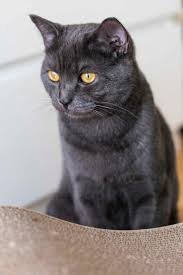
The Black British Shorthair is a captivating and robust breed known for its striking appearance and charming personality. With its round face, dense coat, and captivating copper eyes, this feline has garnered a devoted following among cat enthusiasts. Originating from the British Isles, the breed combines a rich history with an endearing temperament, making it an ideal companion for families and individuals alike. In this article, we will explore the distinct characteristics, care requirements, and cultural significance of the Black British Shorthair, providing valuable insights for both current and prospective owners.
Overview of the Black British Shorthair
General Description
The Black British Shorthair is like the tuxedo-wearing, charming cousin of the feline world—stylish, sophisticated, and undeniably cool. With their round faces and stocky builds, these cats have a bear-like appearance that makes you want to squeeze them (but please, don’t). Known for their calm demeanor, they are the epitome of chill, making them great companions for both busy households and quiet evenings in.
Distinctive Features
What sets the Black British Shorthair apart? Well, first and foremost, their shiny, jet-black coat that practically glimmers in the light. Add to that a robust physique, short legs, and a round head topped with big, expressive eyes that can be gold or copper—and you’ve got yourself a feline showstopper. Those broad cheeks and plush bodies give them a cuddly appearance that’s hard to resist, making them the perfect snuggle buddy.
History and Origins
Ancestors of the British Shorthair
The story of the British Shorthair dates back to ancient Rome when these sturdy cats were imported to control vermin. As they mingled with local breeds, they developed the iconic look we know today—think of them as the original cat-dogs of the feline world. Their ancestors were tough cookies, adapting to various environments and becoming beloved companions for families throughout history.
Development of the Black Variant
While the British Shorthair already had a variety of colors, the all-in-black look started to gain popularity in the late 19th century. Breeders began to highlight the striking nature of the black coat, drawing attention to its sleekness and richness. Over the years, the Black British Shorthair has earned its place in cat shows and homes alike, proving that all-black cats can be just as dapper—and often more delightful—than their colorful counterparts.
Physical Characteristics
Size and Build
These cats are built like little tanks—short and stocky with a muscular appearance that gives them an air of strength. Typically, a healthy Black British Shorthair weighs between 9 to 18 pounds, depending on their gender and overall size. Their sturdy legs and broad chests make them look solid, while also providing a surprisingly agile demeanor when they decide to move (watch out for that zoomie spree!).
Coat Color and Texture
The Black British Shorthair is famous for its luxurious, plush coat that feels like a velvety cloud. The depth of its black coloration can vary, but it generally sports a rich, uniform hue with minimal shading. The short, dense fur requires minimal grooming—think of it as low-maintenance luxury. Just a quick weekly brush will keep that coat looking fabulously sleek and shiny.
Eye Color Variations
One of the most enchanting aspects of the Black British Shorthair is its eye color variations. While many have striking gold or copper eyes, some can also sport captivating green shades. This mix of eye colors adds an extra layer of personality to their already adorable look, making it hard not to fall under their spell as they stare at you with those big, soulful eyes.
Temperament and Personality Traits
General Disposition
Black British Shorthairs are known for their easygoing nature. They are typically calm, friendly, and a touch reserved, making them the perfect blend of affectionate and independent. They’re not overly demanding but love to be included in family activities—think of them as the quiet observer at a party who occasionally chimes in with a witty remark.
Social Behavior
These furry friends tend to be social butterflies—well, more like social cats. They get along well with kids and other pets, making them a great fit for multi-pet households. However, they do value their alone time; after all, even the most charming socialites need a little “meow” time to recharge.
Intelligence and Trainability
Don’t let their chill demeanor fool you; Black British Shorthairs are sharp cookies! They are quite intelligent and can be trained to follow basic commands or even perform tricks with a little patience and some yummy treats. Their curious nature gets them into mischief, so keep an eye on their clever antics. They can be like furry little geniuses with a knack for stealing your heart (and maybe your lunch).
Care and Maintenance Requirements
Feeding Guidelines
Feeding your Black British Shorthair is a bit like pampering a small royalty—everyone wants to keep them happy and healthy. Aim for high-quality cat food that caters to their age, weight, and activity level. Adult cats typically thrive on a diet that is rich in protein and low on carbs, so steer clear of the grocery store’s dubious meow mix. Keep in mind that they can be food-oriented, so watch those portions to prevent your furry friend from turning into a hefty little diva.
Grooming Needs
The Black British Shorthair boasts a luxurious coat that’s practically begging to be stroked. Luckily, grooming is fairly straightforward—give them a good brush once a week to whisk away loose hairs and prevent hairballs. They may not need frequent baths as they generally groom themselves like pros, but if they get into something particularly sticky, you might have to show them the ropes (or the shampoo). Just remember, a little brushing session can double as cuddle time!
Exercise and Playtime
While they may look like fuzzy potato sacks, Black British Shorthairs are playful and need their daily dose of exercise. Aim for at least 15-30 minutes of interactive play each day to keep them satisfied and healthy. Think feather wands, jingly balls, or laser pointers—anything that gets their lazy-bones moving. Don’t be surprised if they suddenly decide to catapult themselves onto your bookshelf for a more strategic observation point during playtime!
Health Considerations
Common Health Issues
Like all breeds, Black British Shorthairs come with their own set of potential health issues. They can be prone to obesity if overindulged (ahem, those treats you sneak them?), as well as hypertrophic cardiomyopathy (HCM), which affects heart function. Regular vet visits and staying vigilant about their weight can help you keep those issues at bay. And, as with any cat, don’t forget to keep an eye on their dental hygiene—nobody wants to deal with a case of kitty halitosis!
Preventative Care
Preventative care is where you, as a loving owner, shine like the feline superhero you are. Regular vet check-ups, vaccinations, and spay/neuter procedures go a long way in ensuring your Black British Shorthair lives a long and happy life. Address any health concerns as soon as they arise, because waiting for them to magically disappear is more of a fantasy reserved for catnip dreams than reality!
Popularity and Cultural Significance
Recognition by Cat Associations
The Black British Shorthair is a meow-stress of feline royalty, recognized by various cat associations around the globe. In the UK, they’re often celebrated for their distinctive looks and charming personalities. The breed has attained high accolades, with many shows and competitions showcasing their elegance. So if you’re looking for a show-stopper at the local cat show, the Black British Shorthair is your cat!
Representation in Media and Art
Cats have always been stars in media and art, and the Black British Shorthair is no exception. From being featured in social media memes to gracing the covers of cat magazines, this breed knows how to steal the spotlight. Their handsome looks make them a popular subject in various artworks, and they’ve even been immortalized as the feline muse in many a cat-themed Instagram account. After all, who wouldn’t want a furry friend that brings a touch of sophistication to their feed?
Tips for Potential Owners
Choosing a Responsible Breeder
If you’re considering adding a Black British Shorthair to your family, it’s essential to choose a responsible breeder. Look for someone who prioritizes health tests and good breeding practices over quick profits. A reputable breeder will be happy to share health histories, let you meet the kittens’ parents, and answer all your burning questions. Don’t settle for just anyone—your future feline deserves the best!
Integrating into Your Home
Bringing a new Black British Shorthair home should be an exciting adventure, not a stressful takeover! Prepare a cozy space stocked with all the essentials—food, water, litter box, and, of course, toys. Give your new furball time to acclimate to their new kingdom, and make sure to provide plenty of love and patience. It might take a few weeks for them to emerge as the confident cat royalty they are, but oh, the purring will be worth the wait!
Long-Term Commitment and Care
Owning a Black British Shorthair is a long-term commitment, akin to signing up for a fluffy roommate who may occasionally judge you for your life choices (like that third slice of pizza). Be prepared for regular vet visits, playtime, and the inevitable you’ll-need-to-vacuum-the-whole-house-because-of-fur moments. But don’t fret! The affectionate companionship and delight they bring will more than make up for any cat-related challenges. In short, treat them like family, and they’ll return the favor in the best ways possible! In conclusion, the Black British Shorthair is a remarkable breed that offers both beauty and companionship.
Frequently Asked Questions
What is the average lifespan of a Black British Shorthair?
The average lifespan of a Black British Shorthair is typically between 12 to 20 years, depending on genetics, diet, and overall care.
Are Black British Shorthairs good with children and other pets?
Yes, Black British Shorthairs are generally known for their friendly and sociable nature, making them great companions for children and other pets when properly socialized.
How much grooming do Black British Shorthairs require?
Black British Shorthairs have a dense coat that requires regular grooming, ideally once a week, to reduce shedding and prevent matting.
Do Black British Shorthairs have any specific health issues?
While generally healthy, Black British Shorthairs can be prone to certain genetic conditions, such as hypertrophic cardiomyopathy (HCM). Regular veterinary check-ups are essential for monitoring their health.