
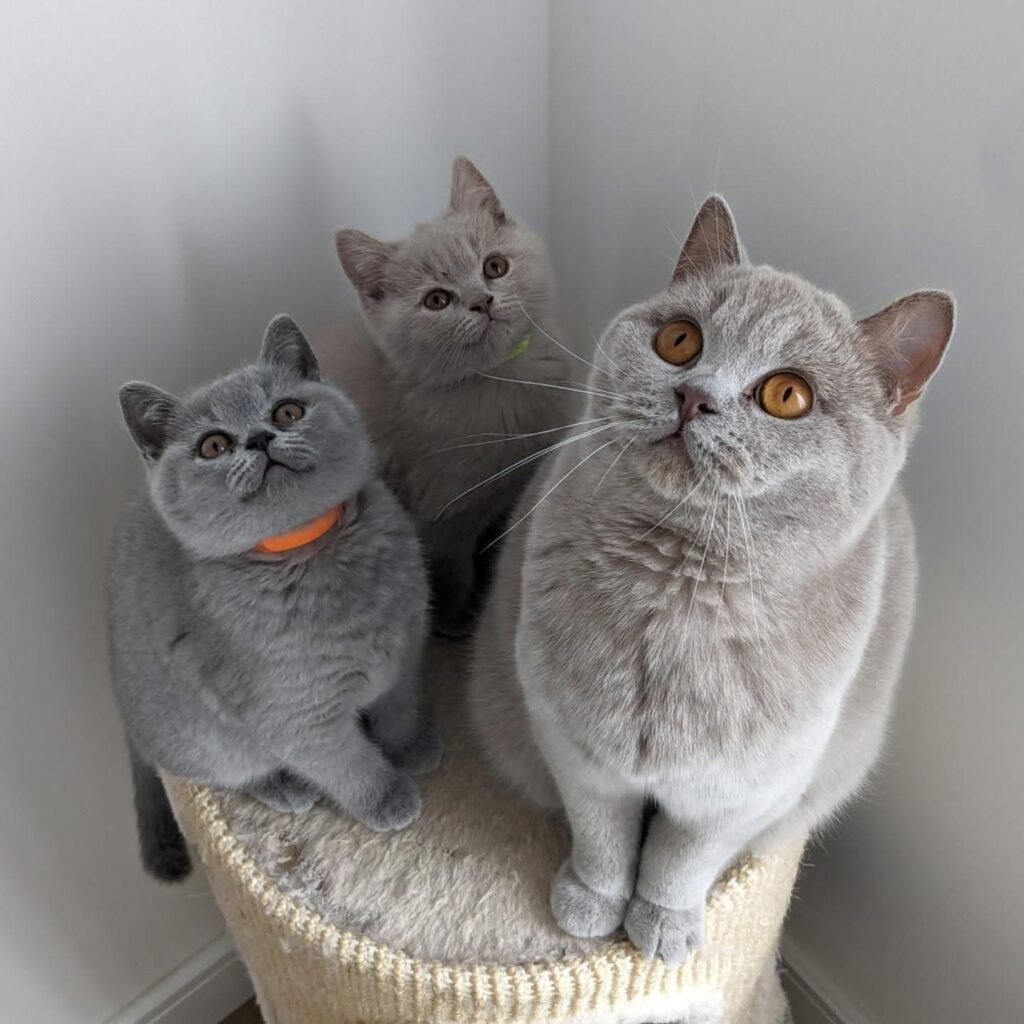
The British Shorthair is one of the most beloved cat breeds, known for its robust build, dense coat, and charming personality. As a pet owner or prospective buyer, understanding how big these cats can get is essential for ensuring proper care and a healthy environment. This article explores the average size and weight of British Shorthairs, the factors influencing their growth, and provides insights on their health and care throughout their various life stages. Whether you’re curious about their growth patterns or looking to provide the best for your feline friend, this guide will help you appreciate and manage the growth of your British Shorthair.
Overview of British Shorthair Breed
History and Origin
The British Shorthair boasts a legacy that’s as rich as a freshly brewed cup of Earl Grey. This charming breed dates back to the Roman times when cats were brought to Britain to keep the rodent population at bay. Over the centuries, they’ve evolved from their practical ancestry into the plush, lovable companions we adore today. The breed gained prominence in the 19th century, with the first cat show in 1871 showcasing these solidly built felines. Now, they are the poster cats of British culture, often seen snoozing lazily in sunny window sills – living the dream, really.
Physical Characteristics
With their round faces and a body that says “I lift weights,” British Shorthairs are a sight to behold. They have sturdy, stocky frames, plush coats, and broad, rounded heads that give them a somewhat teddy bear-like appearance. Their eyes are large, round, and can be copper, blue, or even green, contributing to their adorable charm. Let’s not forget their thick tail – it’s like nature’s built-in cushion for all that cuteness. Overall, if you can imagine a cat that looks like it’s always ready for a cozy cuddle, you’ve got a British Shorthair in mind!
Average Size and Weight of British Shorthairs
Size Ranges for Adults
When discussing size, British Shorthairs are no wallflowers. On average, adult Brits stand about 12 to 14 inches tall at the shoulder, making them a medium to large breed. However, given their impressive bone structure and muscle mass, they can range from a compact 9 to a hefty 18 inches long (and yes, that includes their tails, which can be quite the showstopper). Just remember – these kitties are not afraid to take up space, whether it’s on your lap or the entire couch.
Weight Standards by Age
Weight-wise, British Shorthairs range from about 7 to 14 pounds once they reach adulthood, with males typically being larger (treats do matter, you know!) at 10 to 14 pounds, while females hover around 7 to 10 pounds. Kittens are like the tiny tornadoes of the cat world, usually weighing between 2 to 4 pounds at three months, then packing on the pounds as they grow – think of them as fluffy little gym buddies gearing up for adulthood. By the time they’re about 1 year old, they’ll have reached around 80% of their adult weight.
Factors Influencing Growth and Size
Genetics and Breeding
Like humans, British Shorthairs come with their own genetic blueprints. The size and weight of your feline friend can be significantly influenced by their lineage. Breeders who focus on health and temperament over size can help ensure your kitty won’t turn into a catzilla. So, if you’re eyeing the next big thing in the British Shorthair world, do your research and pick a responsible breeder who prioritizes the overall well-being of the cats rather than just those “big bones.”
Nutrition and Diet
Every British Shorthair needs a balanced diet to fuel their charming shenanigans. Proper nutrition plays a massive role in how big they grow. High-quality cat food rich in protein and essential nutrients can help them hit their growth milestones without feeling like a couch potato. Keep an eye on their weight as they grow; an overindulgent treat here and there is fine, but nobody wants to be responsible for a cat that can’t fit through the door.
Environment and Lifestyle
The environment also affects how much those little furballs grow. An active lifestyle with playtime, climbing, and the occasional chase of a rogue feather can help keep them fit and healthy. Cats that lounge around more than they play may end up on the bigger side of the scale. So, if you’re looking to have a well-rounded British Shorthair, ensure there’s plenty of fun and engaging activities in their daily routine to keep them from growing too round!
Comparison with Other Cat Breeds
Size Comparisons with Similar Breeds
When it comes to size, British Shorthairs are often compared to breeds like the American Shorthair and Scottish Fold. While American Shorthairs can be quite muscular and hefty as well, they often have a slightly longer and more elongated appearance. Meanwhile, Scottish Folds – with their quirky ears – tend to be a bit smaller and more dainty. If you’re looking for a cat that provides a healthy dose of cuddles along with their weight, the British Shorthair arguably takes the cake (or the tuna).
Unique Characteristics of British Shorthairs
Aside from their physical attributes, British Shorthairs have personalities that are as solid as their build. They are famously easygoing, affectionate, and not overly demanding, which makes them great companions. Unlike some breeds that might turn into little tornadoes of chaos, British Shorthairs tend to be calm and sociable, making them the perfect addition to a family. Add in their signature plush coat and round face, and you have a unique blend of charm and cuddliness that’s hard to resist!
Health Considerations Related to Size
Common Health Issues
British Shorthairs are as charming as they are cuddly, but their size can come with some health concerns. These hefty felines are prone to certain conditions like obesity, hip dysplasia, and heart disease. Obesity is particularly common due to their love for lounging (and we can’t blame them!). Regular vet check-ups and a keen eye on their weight are vital to ensure they stay as healthy as they are lovable.
Maintaining a Healthy Weight
To keep your British Shorthair from tipping the scales, it’s crucial to manage their diet and exercise. A measured diet with high-quality cat food tailored to their age and size is a must. Avoid the pitfall of too many treats—those pleading eyes can be hard to resist! Regular playtime is equally important; think of it as not just play, but a mini workout session. Remember, a healthy cat is a happy cat!
Growth Stages of British Shorthairs
Kittens to Adolescents
British Shorthair kittens are like tiny fluff balls, and they grow surprisingly quick! From birth to about six months, they undergo rapid growth, gaining both height and that adorable roundness. By the time they hit their teenage years (around 6 to 12 months), you may notice their personalities starting to shine—along with their size. They’ll be testing boundaries and ensuring you know who’s really in charge (spoiler: it’s them).
Adult Growth Patterns
Once your British Shorthair reaches adulthood (around 2 to 3 years), they will have reached their full size, typically weighing between 9 to 18 pounds. Males tend to be heftier than females, with those adorable (yet intimidating) chubby cheeks. Even after reaching their full size, they may continue to fill out a bit, especially if spoiled with plenty of snacks. A well-rounded adult cat is a sign of a well-loved cat—just keep an eye on those love handles!
Tips for Caring for a Growing British Shorthair
Nutritional Guidelines
Feeding your British Shorthair a balanced diet is crucial for healthy growth. Look for high-protein cat food, ideally with real meat as the first ingredient. Kittens will need food with higher calories to fuel their growth spurts, while adults can stick to a diet focused on maintaining their weight. Always consult your vet for personalized feeding recommendations based on their specific needs.
Exercise Requirements
British Shorthairs may not be the most active of the cat breeds, but they still need to stretch their legs—and their cute little bellies! Regular playtime is essential; think feather wands, laser pointers, and perhaps even a cat tree for climbing adventures. Aim for at least 20 minutes of active play each day. It’s a win-win: a fit kitty and fewer scratches on your furniture!
Regular Veterinary Check-ups
Don’t forget that regular vet visits are crucial for your British Shorthair’s health. A yearly check-up can help catch any potential health issues before they become bigger problems. Plus, it’s a great excuse for you to score some extra cuddles while you wait for the vet! Keeping track of their growth and weight at these appointments ensures they stay on the right path to health and happiness.
Conclusion: Understanding Your British Shorthair’s Growth
Summary of Key Points
In summary, understanding how big British Shorthairs get is more than just trivia—it directly impacts their health and well-being. From their rapid kitten growth to their adult size, keeping a close eye on their weight and health is crucial. Don’t forget to provide a balanced diet and enough playtime to keep those adorable fluff balls happy and fit!
The Importance of Monitoring Growth
Monitoring your British Shorthair’s growth is like keeping tabs on your favorite binge-worthy series—you don’t want to miss any crucial plot twists! Regular check-ups, balanced nutrition, and a sprinkle of exercise can make all the difference in their overall health. Remember, these charming kitties may be big in size but even bigger in heart, and it’s our job to keep them thriving! In conclusion, understanding the growth and size of British Shorthairs is crucial for any cat owner. By being aware of their average size, the factors that influence their growth, and proper care guidelines, you can ensure that your feline friend remains healthy and happy throughout their life. With their charming personalities and distinctive appearance, British Shorthairs are not just pets; they become cherished members of the family. Remember to monitor their growth and provide the necessary care to support their development as they thrive in your home.
FAQ
1. What is the average weight of an adult British Shorthair?
The average weight of an adult British Shorthair typically ranges from 9 to 18 pounds, depending on factors like gender and genetics.
2. At what age do British Shorthairs reach their full size?
British Shorthairs usually reach their full size by about 3 to 5 years of age, although they may continue to fill out and develop muscle tone beyond this period.
3. How can I help my British Shorthair maintain a healthy weight?
To help your British Shorthair maintain a healthy weight, provide a balanced diet, ensure regular exercise, and schedule routine veterinary check-ups to monitor their health.
4. Do British Shorthairs require special dietary considerations as they grow?
Yes, British Shorthairs may require a diet formulated for large breed cats, especially during growth stages, to support their development and overall health.