
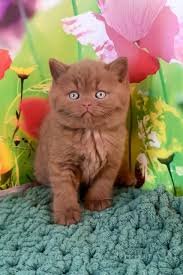
The Brown British Shorthair is a captivating and beloved breed known for its distinctive appearance and amiable personality. With a rich history dating back to ancient times, these cats are characterized by their robust build, dense coat, and round, expressive eyes. Their warm, chocolate-colored fur adds to their charm, making them a popular choice among cat enthusiasts. This article delves into the unique characteristics, care requirements, and health considerations of the Brown British Shorthair, while also exploring their playful nature and significance in popular culture. Whether you’re a prospective owner or simply an admirer of this enchanting breed, understanding the nuances of the Brown British Shorthair will enhance your appreciation for these delightful companions.
Overview of the British Shorthair Breed
History and Origin
The British Shorthair has a noble history, tracing its roots back to Roman times when those clever cats were brought over to the UK to control rodents. They were then bred with local breeds to create the robust felines we see today. Legends even say they were the inspiration for the Cheshire Cat in “Alice in Wonderland.” Talk about royalty in the cat world!
Physical Traits
The British Shorthair is like the heavyweight champion of the cat world—stocky and muscular with a broad chest and short legs. Their round faces and chubby cheeks give them an adorable teddy bear look, while those big, round eyes come in shades of copper or gold. Who could resist those eyes? They’re basically feline versions of irresistible chocolate.
Variations within the Breed
While the British Shorthair is most famous for its blue coat, it comes in a delightful rainbow of colors, including black, cream, and, of course, brown. Each variation has its own charm, but the brown British Shorthair really stands out with its rich, chocolatey hue. It’s like the gourmet flavor of an already tasty ice cream sundae.
Characteristics of the Brown British Shorthair
Coat Color and Pattern
The brown British Shorthair boasts a deep, warm brown coat that shines like freshly brewed coffee. Its fur is dense, plush, and oh-so-soft, making you want to pet it for hours—seriously, it’s hard to stop! Their coats typically display a solid color, but some may have faint tabby markings that add a touch of mystery.
Body Structure and Size
These cats are sturdy, with a compact body structure that exudes strength and health. Adult brown British Shorthairs typically weigh between 9 to 18 pounds, making them hefty companions that can, mysteriously, still fit into the tightest of boxes. If you’ve ever seen a cat that’s all muscle wrapped in fluff, you’ve probably just met one of these chunky cuties.
Distinctive Features
Not only do they have that striking coat, but brown British Shorthairs have those adorable round faces that seem to beg for attention. Their short and thick necks give them an air of majesty, while their large, round eyes—often with that hypnotic gold or copper hue—can melt even the coldest of hearts. Seriously, these cats know how to work those looks!
Temperament and Behavior
Social Interactions
Brown British Shorthairs are known for their friendly, affable nature. They get along with kids, other pets, and even the family dog (well, most of the time). They thrive on companionship and enjoy being around people without being overly demanding—think of them as the laid-back friend who’s always down for some quality time but also appreciates their personal space.
Playfulness and Activity Level
These cats have a playful side that can surprise you! They enjoy interactive play and often engage in games that make them feel like little hunters. However, they balance their playful antics with cozy naps, typically selecting the sunniest spot in the house for their beauty rest. Basically, they maintain a perfect work-life balance, which we could all learn from.
Adaptability to Home Environments
Brown British Shorthairs are like the Swiss Army knives of the cat world—adaptable to almost any home environment. Whether you live in a bustling household or a calm apartment, they’ll fit right in as long as they have a cozy spot and some attention. Just make sure to keep a few toys handy; they need to keep their adventurous spirit alive, after all!
Care and Maintenance Requirements
Nutrition and Diet
To keep your brown British Shorthair in tip-top shape, providing a balanced diet tailored to their age and activity level is key. High-quality cat food that meets their nutritional needs will help maintain their muscular physique and shiny coat. And remember, no sneaking them those leftover snacks—those beady brown eyes may beg, but moderation is essential!
Exercise Needs
While they may enjoy lounging around, brown British Shorthairs require regular exercise to stay healthy and happy. Engage them with toys, interactive play sessions, and even a little climb-up-the-scratching-post action. A bit of daily play will help burn off some of that energy and keep them from becoming glorified couch potatoes.
Living Conditions
These cats are quite adaptable and can thrive in various living conditions, from farmhouses to city apartments. They do appreciate having some space to roam, so providing cat trees, cozy hideouts, or even a window perch to observe the outside world will keep their spirits up. Just remember, they may stare out at the birds, but it’s all in good fun—no bird-catching antics here!
Health Considerations
Common Health Issues
While Brown British Shorthairs are generally robust and resilient, they can be prone to a few health hiccups like hypertrophic cardiomyopathy (HCM), obesity (because who can resist those treats?), and dental problems. Keeping an eye on their weight and making sure they don’t impersonate a fuzzy pillow will help keep their health in tip-top shape.
Regular Veterinary Care
Regular vet visits are a must for your Brown British Shorthair. Think of it as a necessary spa day—except instead of pampering, there are vaccinations, wellness checks, and the occasional heart-to-heart about diet. Aim for at least once a year for a general check-up, or more often if your feline friend has any health quirks.
Genetic Predispositions
Genetics can be a bit of a mixed bag, and for our beloved Brown British Shorthairs, that can mean a higher likelihood of certain conditions. Keep an eye out for any signs of heart disease or joint issues. A thorough understanding of their family tree can help you stay ahead of any potential problems—kind of like being a cat detective.
Grooming Needs
Brushing and Bathing
The Brown British Shorthair has a short, plush coat that doesn’t require an extravagant grooming routine. A weekly brushing will keep their fur looking glossy and remove any loose hair. And as for bathing? Unless they’ve rolled in something unspeakable, a good brush should suffice. Who wants to dampen that royal air?
Nail Trimming
Nobody wants to feel like they’re being turned into a pin cushion—especially not your furniture! Regular nail trimming will keep those claws manageable and your home scratch-free. Aim for every couple of weeks, or whenever your Brown British Shorthair decides to unleash their inner bobcat.
Ear and Dental Care
Ears and teeth deserve some TLC too! Regularly check those adorable ears for wax build-up or any questionable debris. For dental care, brushing is key, but if your cat resists, dental treats can be a stellar compromise. After all, even cats deserve a sparkling smile.
Training Tips for Owners
Basic Obedience Training
Training a Brown British Shorthair isn’t so much about turning them into a circus performer but rather about establishing good habits. Use positive reinforcement with treats and praise to encourage basic commands. You’ll find that they’re more than capable of learning, even if they sometimes look at you like, “Why don’t you just pet me instead?”
Socialization Techniques
Socializing your cat is vital, especially if you want them to mingle with humans and other pets. Start slow—introduce them to various sounds, environments, and visitors. Treats can help foster positive associations, although the other cats in the house might not appreciate the ‘guest star’ role quite as much.
Addressing Behavioral Issues
If your Brown British Shorthair starts to act like a tiny tyrant, it’s time to address those behavioral quirks. Redirect undesirable behavior with toys, and ensure they have a stimulating environment. And of course, patience is key—remember, even felines have off days!
The Brown British Shorthair in Popular Culture
Representation in Media
Brown British Shorthairs may not be the lead actors in blockbuster films, but they’ve made appearances in a variety of media, capturing hearts with their charming looks. From cartoons to viral videos, their “British” elegance often steals the scene, proving that even cats have their moments of fame.
Famous Brown British Shorthairs
A few famous personalities have graced us with their Brown British Shorthairs—think celebrity cats with Instagram accounts raking in likes. These fluffy influencers showcase their plushness and charm, reminding us all that fame isn’t just for Hollywood; it’s very much for the feline world too!
Community and Breed Clubs
Dive into the community of Brown British Shorthair enthusiasts! Clubs and online forums are filled with likeminded cat lovers sharing tips, stories, and adorable photos. It’s like an exclusive club where the secret handshake involves a lot of purring and gentle headbutts. Join in and celebrate your love for this iconic breed! In conclusion, the Brown British Shorthair is a remarkable breed that combines beauty, charm, and a loving temperament. Their easygoing nature and adaptability make them wonderful companions for families and individuals alike. By understanding their unique needs and characteristics, prospective owners can provide the best possible care for these delightful cats. Whether you are considering adding a Brown British Shorthair to your home or simply admire them from afar, their captivating presence is sure to leave a lasting impression.
FAQ
What is the average lifespan of a Brown British Shorthair?
The average lifespan of a Brown British Shorthair is typically between 12 to 16 years, although with proper care, some may live even longer.
Do Brown British Shorthairs require a lot of grooming?
Brown British Shorthairs have a dense, plush coat that requires regular brushing to minimize shedding and prevent matting. However, they are generally low-maintenance compared to long-haired breeds.
Are Brown British Shorthairs good with children and other pets?
Yes, Brown British Shorthairs are known for their friendly and gentle demeanor, making them great companions for children and other pets when properly socialized.
What type of diet is best for a Brown British Shorthair?
A balanced diet that includes high-quality cat food, rich in protein and essential nutrients, is best for a Brown British Shorthair. It’s important to consult with a veterinarian for specific dietary recommendations based on their age and health needs.