
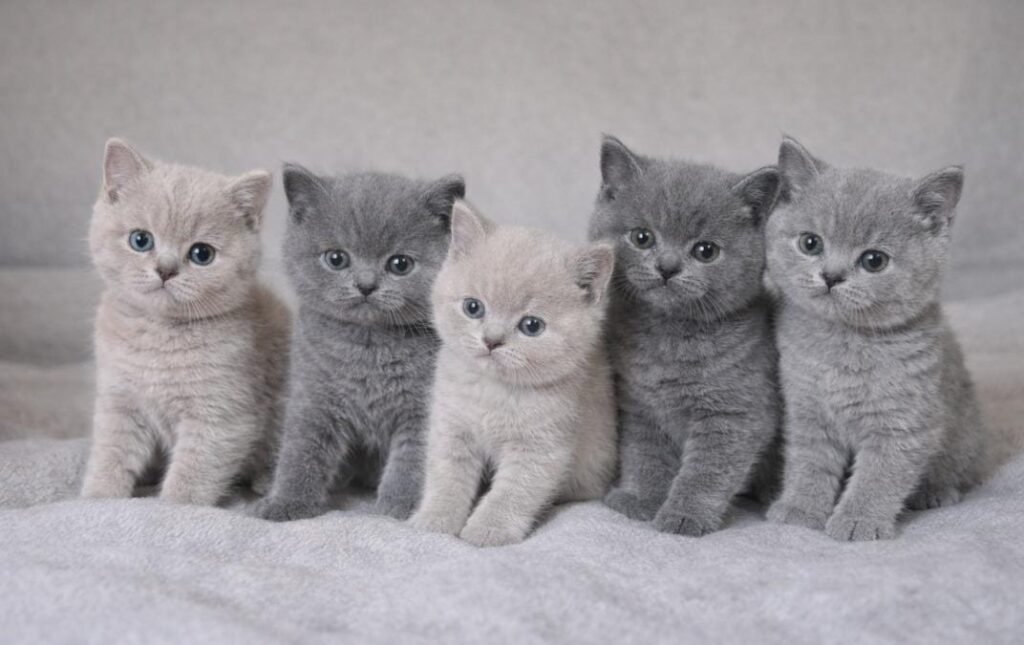
The White British Shorthair kitten is a captivating and charming breed, known for its plush, dense coat and striking copper or gold eyes. With a friendly demeanor and a playful spirit, these kittens make ideal companions for families and individuals alike. Originating from the British Isles, the British Shorthair has a rich history that adds to its allure. This article delves into the unique characteristics, care requirements, and socialization tips for White British Shorthair kittens, ensuring that prospective owners are well-equipped to welcome these delightful pets into their homes.
Overview of the British Shorthair Breed
History and Origin
The British Shorthair breed is like the James Bond of cats—cool, suave, and with a rich history. Originating in Britain, this breed traces its roots back to ancient Rome, where they were valued for their mousing skills. Fast forward through the centuries, and these feline friends made a comeback in the late 19th century, thanks to the efforts of cat fanciers. Their sturdy build and charming round faces made them a hit. Today, they’re one of the most popular cat breeds worldwide, especially for those who adore their charming demeanor and plush coats.
Distinctive Features
When it comes to distinctive features, the British Shorthair doesn’t hold back. They sport a robust, muscular body, a round face, and big, expressive eyes that can melt even the iciest of hearts. Their coat is dense and plush, coming in a variety of colors and patterns, but let’s be real—there’s something particularly enchanting about the pristine white variety. The overall look is one of cuddle-worthy plumpness, making them the fluffy teddy bears of the cat world.
Characteristics of White British Shorthair Kittens
Physical Appearance
White British Shorthair kittens are the adorable polar bears of the kitty kingdom. With their snowy-white fur, round faces, and those typical chubby cheeks, they’re irresistibly huggable. Their bright, copper or blue eyes pop against the white fur, giving them an almost cartoonish allure. As they grow, their sturdy build becomes more pronounced, but let’s be honest—who can resist those tiny, pouncing fluff balls?
Temperament and Personality
Prepare yourself for a delightful blend of playfulness and calm. White British Shorthair kittens have a personality that’s equal parts sugar and spice. They are friendly, affectionate, and generally enjoy human companionship without being overly clingy. These kittens have a curious nature, often getting themselves into amusing predicaments—like hiding in plain sight (seriously, how can they blend in so well?). They tend to adapt well to different living environments and get along famously with other pets, making them the charming socialites of the feline world.
Care Requirements for White British Shorthair Kittens
Diet and Nutrition
Feeding your white British Shorthair kitten may feel like raising a tiny, furry food critic. Opt for high-quality cat food rich in protein, preferably formulated specifically for kittens. This will support their growing bodies and energetic personalities. Don’t forget to measure their portions though; nobody wants a chubby little panda on their hands! Fresh water should always be available, and occasional treats are fine, but let’s keep it healthy—no catnip cupcakes, please!
Grooming Needs
Despite their glorious coats, white British Shorthair kittens are relatively low-maintenance when it comes to grooming. Their short, dense fur needs a weekly brush to remove loose hair and keep their coat looking pristine (and white, because no one wants a dingy little fluff ball). Regular dental care and nail trimming should also be part of the grooming routine. And remember, a spa day with a gentle brush can be a great bonding experience—turn on some soothing tunes for maximum effect!
Environmental Enrichment
These kittens are curious little explorers, so providing an engaging environment is essential. Invest in scratching posts, toys that stimulate their minds, and climbing structures that allow them to harness their inner mountain goats. Rotating toys can keep things fresh, but a simple cardboard box can be just as thrilling as the latest catnip-infused contraption. Don’t forget to provide cozy napping spots—they’ll need plenty of sleep after all their adorable antics!
Socialization and Training Tips
Importance of Early Socialization
Socializing your white British Shorthair kitten early is crucial for their development into well-rounded adults. Introduce them to various people, pets, and environments as soon as possible. This helps them build confidence and reduces the likelihood of fear-based behaviors. Remember, a well-socialized kitten is a happy kitten—and likely to steal your heart (and your snacks) along the way.
Basic Training Techniques
Training a kitten might sound like herding cats, but with a little patience and some tasty treats, it’s easier than you think! Start with basic commands like “sit” or “come” using positive reinforcement. A consistent routine and loads of praise will work wonders. And don’t forget litter box training—after all, nobody wants a surprise gift in the corner. Keep sessions short and fun, and soon enough, you’ll have a well-mannered feline companion ready to tackle the world!
Health Considerations for British Shorthairs
Common Health Issues
While British Shorthairs are generally hardy cats, they’re not invincible. You might find your fluffy companion is prone to certain health issues like hypertrophic cardiomyopathy (a fancy term for heart disease), obesity (those round faces come with round bodies!), and dental problems. Keep an eye out for any signs of lethargy or unusual behaviors. Regular check-ups will help keep those health boogeymen at bay.
Regular Veterinary Care
Schedule annual vet visits—think of it as your kitten’s royal appointment. Routine check-ups, vaccinations, and dental cleanings ensure your British Shorthair stays fit and fabulous. Regular vet visits are like the ultimate spa day for your kitty, minus the cucumber slices on the eyes, of course. If your kitten starts acting like a diva or has an off day, don’t hesitate to get them checked out!
Finding a Reputable Breeder
What to Look for in a Breeder
Finding a good breeder is like dating—don’t just swipe right! Look for someone who’s reputable, knowledgeable, and genuinely cares for their kittens. A good breeder will be transparent about health screening, provide a cozy environment for the kittens, and allow you to meet the kitten’s parents (because what’s cuter than a family reunion?). They should also be registered with a cat association—bonus points for showing you the kitty’s pedigree!
Questions to Ask
Asking the right questions can be a game-changer. Inquire about the kitten’s health history, dietary needs, temperament, and any socialization they’ve experienced. Ask about their vaccination schedule—as in, “Is my new furry overlord fully immunized yet?” Additionally, don’t shy away from asking about any potential genetic issues, so you can plan for your new feline friend’s royal lifestyle.
Cost and Budgeting for Your Kitten
Initial Purchase Price
Brace yourself, potential kitty parents: acquiring a white British Shorthair kitten can set you back anywhere from $1,500 to $3,000, depending on the breeder and lineage. You’re not just buying a feline companion; you’re investing in a future furball of joy (and more cat memes than you can handle). So save those pennies and get ready for the luxurious life of kitten parenthood!
Ongoing Expenses
Once you’ve adopted your new fluff lord, the costs don’t magically disappear! Expect ongoing expenses like quality cat food (remember, you’re feeding royalty), litter, toys, and regular vet visits. Add in pet insurance if you want to be extra cautious. In total, budget around $1,000 per year—because who doesn’t want to spoil their tiny ruler with cozy beds, climbing trees, and endless treats?
Fun Facts About White British Shorthairs
Popular Culture References
White British Shorthairs have made quite the splash in pop culture. You might catch their striking looks gracing social media feeds or being featured in movies as the epitome of fluff and charm. From adorable cat videos melting hearts to that one meme where they look like they’re judging your life choices, they certainly know how to be the stars of the show!
Unique Traits and Quirks
You’ll quickly discover that white British Shorthairs have some quirks worth loving. They can be both couch potatoes and playful mischief-makers, depending on the hour. These kitties are known for their quirky purring styles, which can sometimes sound like a tiny motorboat. Plus, don’t be surprised if your new fluffball suddenly decides they prefer the box over the expensive cat tree you bought—because that’s just how cats roll!In conclusion, welcoming a White British Shorthair kitten into your home can bring immense joy and companionship. Understanding their unique characteristics, care needs, and socialization requirements is essential for fostering a healthy and happy environment. Whether you’re a first-time cat owner or an experienced enthusiast, the British Shorthair’s charming personality and striking appearance make them a wonderful addition to any household. With proper care and attention, your kitten will grow into a loving and loyal companion for years to come.
FAQ
What is the average lifespan of a White British Shorthair?
The average lifespan of a White British Shorthair is typically between 12 to 20 years, depending on genetics and overall care.
Are White British Shorthairs good with children and other pets?
Yes, White British Shorthairs are generally known for their friendly and sociable nature, making them good companions for children and other pets when properly socialized.
How much exercise do White British Shorthair kittens need?
While they are not overly active, White British Shorthair kittens require regular playtime and mental stimulation to stay healthy and happy. Engaging them with toys and interactive play is beneficial.
Do White British Shorthairs have specific health concerns?
Like all breeds, White British Shorthairs can be prone to certain health issues, including heart disease and obesity. Regular veterinary check-ups and a balanced diet can help manage these risks.