
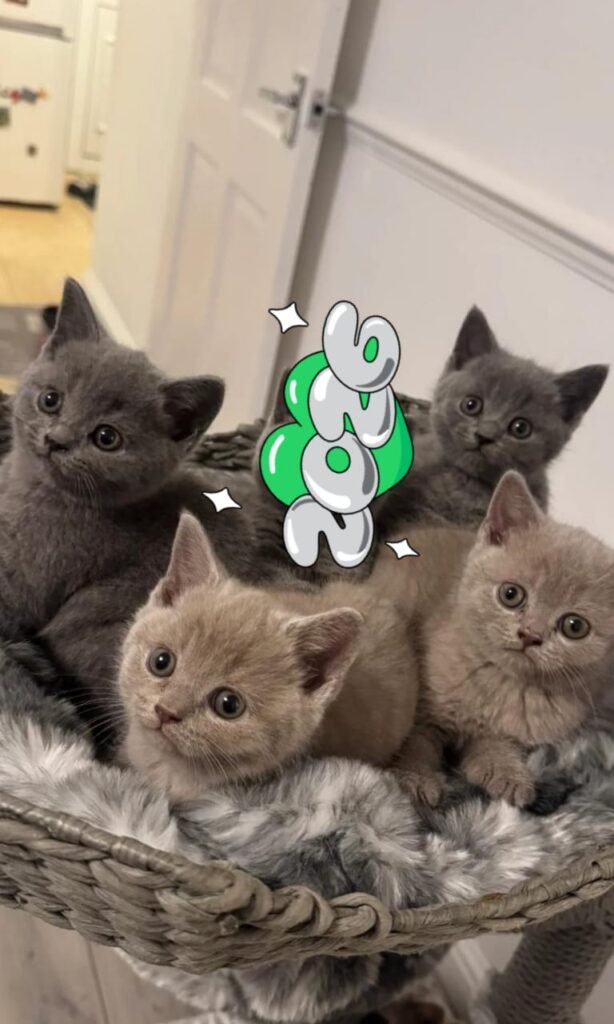
Bringing a British Shorthair kitten into your home is an exciting and rewarding experience, known for their charming personalities and plush, dense coats. However, finding the perfect kitten requires careful consideration and research. This article will guide you through the essential steps to ensure you choose a healthy and well-adjusted British Shorthair, whether you opt for a reputable breeder, consider adoption from a shelter, or explore online resources. By understanding the breed, assessing your readiness, and preparing your home, you can provide the ideal environment for your new furry companion.
Understanding the British Shorthair Breed
History and Origin
The British Shorthair has a lineage that dates back to ancient Rome, where they were bred for their mouse-hunting skills. These charming cats have been around for centuries, evolving from their tough and hardy ancestors into the plush, round-faced companions we adore today. Their heritage breathes personality into every purr, making them a beloved choice in British households (and beyond).
Physical Characteristics
With a stocky build, broad head, and eyes that seem to say, “Feed me,” the British Shorthair is a sight to behold. Their plush coats come in a delightful array of colors, with the iconic blue-gray hue stealing the show. These cats are the epitome of squishiness, boasting chubby cheeks and a strong muscular frame that lends itself well to their somewhat lazy lifestyle (ahem, who doesn’t love a good nap?).
Personality Traits
Think of a British Shorthair as the charming introvert at the party — they’re affectionate but maintain an air of dignified independence. Known for their calm demeanor, these cats are playfully aloof, perfectly content to curl up in your lap or watch from a distance as you go about your business. They’re the ideal companions for those who appreciate a pet with a touch of personality but aren’t looking for a clingy shadow.
Factors to Consider Before Getting a Kitten
Time and Commitment
Let’s be real: kittens are adorable, but they require time and commitment akin to a small child (minus the diapers). Consider your daily schedule and whether you can dedicate quality time for play, training, and snuggles. After all, who can resist a British Shorthair’s irresistible charm for long without indulging in some quality time together?
Financial Considerations
Owning a kitten is no small potatoes when it comes to your wallet. You’ll need to budget for food, litter, toys, grooming, vet check-ups, and maybe even a fancy scratching post (because, obviously, your home can’t have too many cat towers). Factor in the potential costs of any little health hiccups, and you’ll want to ensure you’re financially ready for this new furry family member.
Allergies and Household Compatibility
Before bringing home your British Shorthair, it’s important to check for any allergies among household members. If someone turns into a sneezing machine at the first whisker, it might be time to reconsider. Also, evaluate your living situation; these cats generally do well in various environments, but a stressful or unsafe space can hinder their happiness—after all, they’re aristocrats at heart!
Reputable Breeders and Catteries
Researching Breeders
Finding a reputable breeder for your British Shorthair is like dating: you have to do your homework. Look for breeders who prioritize health testing, socialization, and responsible breeding practices. Online forums, social media groups, and cat shows can provide leads to breeders who genuinely care about their kittens and can offer solid references from happy cat owners.
Questions to Ask Potential Breeders
Don’t be shy when it comes to interviewing your future kitten supplier! Ask about their breeding practices, health checks, and whether the kittens have been socialized. A good breeder will be happy to answer your questions and discuss the kitten’s lineage as if they were talking about their favorite child (because they kind of are!).
Understanding Breeding Practices
Look for breeders who adhere to ethical standards—this means they won’t just be cranking out kittens for profit. Ideally, they should be knowledgeable about the breed, keep living conditions clean, and focus on the health and well-being of both the parents and kittens. It’s not just about finding a cute face; it’s about finding a kitty that will thrive at home with you.
Adoption Options: Shelters and Rescues
Benefits of Adopting
Adopting a kitten from a shelter or rescue can be incredibly fulfilling. Many wonderful British Shorthairs are waiting for their forever homes, often already spayed or neutered and up-to-date on vaccinations. Plus, you’ll be giving a deserving kitty a second chance at a happy life—not to mention, you’ll feel all the warm fuzzies knowing you’ve made a difference!
Finding Local Shelters and Rescues
To get the ball rolling, check out local animal shelters, humane societies, and breed-specific rescue organizations. A quick online search or a visit to Petfinder can put you in touch with fabulous felines near you. Who knows? You might stumble upon your future cuddle buddy while browsing through headshots.
The Adoption Process
While the adoption process may vary from place to place, generally, you’ll fill out an application, have an interview, and then get ready for a home visit. Don’t worry! This is just to ensure that you and your new feline friend are a perfect match. Once approved, you’ll be welcomed into the wonderful world of cat parenthood—complete with purring, head-butting, and occasional litter box cleaning!
Online Resources for Finding Kittens
Websites and Listings
If you’re looking to welcome a British Shorthair kitten into your life, the internet is your best friend. Websites like Petfinder, Adopt-a-Pet, and local rescue organizations often have listings for kittens in need of homes. Don’t forget breed-specific rescue groups; they’re like treasure maps leading you straight to your fluffy gold! Just remember, if you find a listing that looks too good to be true, proceed with caution—it’s a jungle out there.
Social Media Groups and Forums
Social media is not just for stalking your friends’ dinner choices; it’s also a goldmine for finding kittens! Join Facebook groups dedicated to cat adoption or specific breeds. You’ll often find owners looking to rehome their cats or breeders sharing their latest litters. Just ensure that you engage with recognized breeders or reputable rescue groups. Reddit is another great venue—subreddits like r/cats or breed-specific forums can be quite helpful in your search.
Red Flags to Watch For
Keep your detective hat on as you navigate the kitten-collecting universe! If a seller insists on cash-only transactions, avoids answering your questions, or claims the kittens have a “money-back guarantee,” it’s time to hit the brakes. Also, be wary of those who don’t ask you questions about your living situation or experience with pets. A responsible breeder or seller will want to ensure their kittens are going to a good home, not just the next stop on a cat-napping spree.
What to Look for in a Healthy Kitten
Physical Health Indicators
When selecting your future snuggly companion, keep an eye out for clear eyes, a shiny coat, and a playful demeanor. A healthy kitten should have a clean bottom (yes, we’re going there) and be free of nasal discharge or sneezing. Don’t be afraid to gently feel their belly—no lumps or hard spots, please! If you catch them in a rear-end yoga pose (aka grooming), that’s a good sign!
Behavioral Signs of a Healthy Kitten
A healthy kitten is a curious kitten! If they scuttle around, exploring their surroundings and batting at anything that moves, you’re on the right track. They should also engage with you during your visit—if they’re hiding under the couch like a tiny furry hermit, they may be feeling a bit off. Look for playful behaviors, like wrestling with siblings or chasing after toys; it’s a great sign of a healthy spirit!
Importance of Veterinary Checks
Before taking that adorable bundle of joy home, make sure they’ve had a thorough veterinary check-up. Ask for health records—vaccinations, deworming, and a clean bill of health from a vet should be at the top of your checklist. Just like you wouldn’t skip your own doctor’s appointment, don’t skip this crucial step for your new kitty. Early vet visits ensure your kitten starts life with a solid health foundation!
Preparing Your Home for a New Kitten
Kitten-Proofing Your Space
Before your new British Shorthair arrives, you’ll want to kitten-proof like you’re hosting a toddler’s birthday party. Remove any dangling cords, small objects, or toxic plants that a curious kitten could chew on. Brace yourself—this might mean saying goodbye to that lovely houseplant you’ve nurtured since the ’90s. Use baby gates if needed and make sure there are no escape routes from windows or doors—this is one adventure you don’t want them to take!
Essential Supplies to Have
Think of your home as a five-star kitty resort! Stock up on essentials like a litter box, high-quality kitten food, a scratching post, and toys to keep the little one entertained. Don’t forget a cozy bed for those frequent cat naps, and maybe a cat carrier for when it’s time for their first vet visit. You’ll also want grooming supplies—brushes and nail clippers for when they’re no longer the cutest fuzzy creature.
Creating a Safe Environment
Once your home is kitten-proofed and stocked with supplies, create a designated space for your new furball. This can be a cozy corner with their bed, a litter box, and toys to call their own. Cats are creatures of habit, and having a safe space can help them adjust to their new surroundings with less anxiety. Make sure to include some vertical spaces like cat trees—British Shorthairs love a good perch!
Caring for Your British Shorthair Kitten
Nutrition and Feeding Guidelines
When it comes to filling your kitten’s bowl, quality matters! Look for kitten-sized food (nutritionally tailored for their growth) and aim to feed them multiple small meals throughout the day. For British Shorthairs, a balanced diet rich in protein is key—they have a tendency to get a little more “fluffy” than they should, so keep an eye on their portion sizes and adjust accordingly as they grow.
Socialization and Training Tips
British Shorthairs are known for their laid-back personalities, but that doesn’t mean you should skip socializing your kitten! Introduce them to new experiences and people gradually; it helps to set the stage for a well-rounded adult cat. Use positive reinforcement—treats and praise—for good behavior, and don’t be afraid to teach them basic commands. Who doesn’t want a kitten that knows the command “sit” before they’re even fully grown?
Regular Health Care and Check-ups
Stay on top of your kitten’s health with regular vet visits. Establish a vaccination schedule, and don’t forget about spaying or neutering once they’re old enough. Keep an eye out for any changes in their behavior or eating habits, as these can indicate health issues. A well-cared-for British Shorthair will reward you with purrs, headbutts, and more love than you ever thought possible!In conclusion, finding a British Shorthair kitten is a journey that involves thoughtful consideration, research, and preparation. By exploring reputable breeders, adoption options, and understanding the unique needs of this delightful breed, you can ensure a happy and healthy start for your new feline friend. Embrace the joy and companionship that comes with welcoming a British Shorthair into your home, and enjoy the many wonderful moments ahead.
FAQs
1. How much does a British Shorthair kitten typically cost?
The price of a British Shorthair kitten can vary widely depending on factors such as the breeder’s reputation, the kitten’s lineage, and your geographical location. On average, you can expect to pay anywhere from $1,000 to $2,500.
2. Are British Shorthairs good with children and other pets?
Yes, British Shorthairs are generally known for their calm and friendly demeanor, making them good companions for children and other pets. Early socialization can help them adapt well to a variety of environments.
3. What kind of grooming do British Shorthair kittens need?
British Shorthairs have a dense coat that requires regular brushing, typically once a week, to reduce shedding and prevent matting. They also benefit from regular nail trimming and dental care.
4. How can I tell if a British Shorthair kitten is healthy?
A healthy British Shorthair kitten should have clear eyes, a shiny coat, and a playful demeanor. It’s important to have a veterinarian conduct a health check and to ask the breeder about the kitten’s vaccination and health history.