
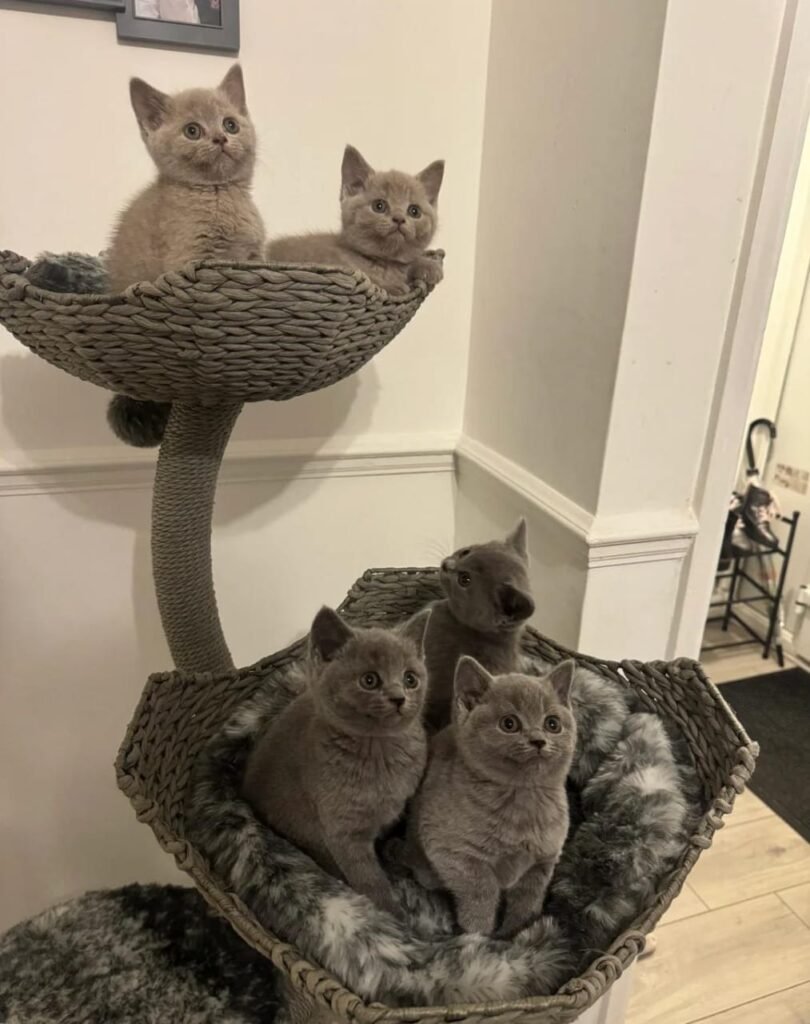
The British Shorthair is one of the most beloved cat breeds, known for its robust build, plush coat, and charming personality. With their easygoing nature and affectionate demeanor, British Shorthair kittens make wonderful companions for families and individuals alike. If you are considering adding a feline friend to your home, adopting a British Shorthair kitten can be a rewarding experience. This article explores the unique characteristics of this breed, provides guidance on where to find kittens available for adoption, and offers important tips on how to prepare for and care for your new furry family member.
Understanding the British Shorthair Breed
History and Origin
The British Shorthair breed has a history as rich as a good cup of tea. Dating back to the Roman conquest of Britain, these sturdy felines were bred from cats brought over to control pests. Over time, they evolved into the lovable, plush companions we adore today. With their charming looks and history steeped in British culture, it’s no wonder they’ve become a national treasure.
Physical Characteristics
British Shorthairs are the epitome of feline adorableness. You’ll often see them flaunting round, chubby cheeks, a broad forehead, and big, soulful eyes that can make anyone weak at the knees. Their dense, plush coat is a standout feature, giving them that cuddly teddy bear vibe. And let’s not forget about their sturdy, muscular build – they might be cuties, but they can definitely hold their own in a playful tussle!
Popular Color Variations
When it comes to color, British Shorthairs like to keep things interesting. The classic blue-gray is the most well-known, often accompanied by striking copper eyes that look like they’re hiding ancient secrets. However, they come in a rainbow of colors: cream, black, chocolate, and even tabby patterns. Whether you’re after a monochromatic marvel or a colorful cutie, there’s a British Shorthair to match your aesthetic!
Characteristics and Temperament of British Shorthair Kittens
Personality Traits
Let’s be honest: British Shorthair kittens are basically the cool kids of the cat world. They’ve got a laid-back, easygoing demeanor that makes them perfect for families and individuals alike. Often described as affectionate but not overly clingy, they know how to love without turning into a furry shadow. Plus, their playful streak ensures there’s never a dull moment in your home!
Socialization Needs
While British Shorthairs are friendly, they enjoy their own space too. Early socialization is important, but you don’t have to worry about throwing your kitten into an all-night party. They’re social butterflies who’ll happily greet guests but prefer to spend their downtime lounging with their favorite human. Just give them some love, and they’ll bloom socially like a well-watered flower.
Intelligence and Trainability
These kittens aren’t just a pretty face; they’re clever little clogs! British Shorthairs are known to be quite intelligent, picking up tricks and commands with surprising ease. However, don’t expect them to fetch your slippers every time you ask. They might just give you a look that says, “I’m the cat here, not your butler.” A little patience and positive reinforcement go a long way for training – and some tasty treats never hurt!
Benefits of Adopting a British Shorthair Kitten
Companionship and Family Dynamics
Adopting a British Shorthair kitten is like adding a new family member who’s guaranteed to bring joy without the drama. They seamlessly adapt to various family dynamics, whether you live solo, with kids, or even other pets. Their affectionate nature ensures that everyone feels loved, and their gentle temperament makes them a hit with all ages. Instant family bonding over playtime? Yes, please!
Low Maintenance Grooming
With their plush, dense coats, you might think British Shorthairs require a full-time groomer. Think again! They’re actually pretty low maintenance when it comes to grooming. A quick brush here and there will keep their coats looking fabulous, and they tend to be less prone to matting compared to other breeds. More time for cuddles, less time at the grooming salon? Don’t mind if I do!
Health and Longevity
One of the perks of adopting a British Shorthair is their reputation for resilience and longevity. With proper care, they can live well into their teens, giving you plenty of years to enjoy their charming presence. They’re generally healthy, but like any breed, they benefit from regular vet check-ups and a balanced diet. Your future self will thank you for adopting a kitten that’s built to last!
Where to Find British Shorthair Kittens for Adoption
Rescue Organizations and Shelters
Looking to bring a British Shorthair into your life? Start by checking your local animal shelters and rescue organizations. Many adorable kittens are waiting for their forever homes, and adopting from a shelter means you’re giving a kitty a second chance at love. Plus, you’ll be the hero of the story – and who doesn’t want that?
Reputable Breeders
If you’re keen on getting a kitten with specific traits, finding a reputable breeder is key. Look for breeders who prioritize health testing and socialization, ensuring your future British Shorthair is healthy and well-adjusted. It’s like finding a dependable chef for the perfect meal: you want it to be delicious and made with care!
Online Adoption Platforms
Don’t underestimate the power of the internet! There are numerous online platforms dedicated to pet adoption where you can find British Shorthair kittens looking for homes. Websites like Petfinder and Adopt-a-Pet let you browse through various listings and connect with shelters or rescue groups. Just imagine scrolling through adorable kitten photos while sipping your favorite drink – that’s a win-win if we ever heard one!
Preparing Your Home for a British Shorthair Kitten
Creating a Safe Environment
Before bringing your new furball home, it’s essential to kitten-proof your space. Think of it as a stealthy operation where you hide all the temptations that could lead to trouble. Secure loose wires, tuck away small items that could be swallowed, and ensure windows are closed or screened. Remember, British Shorthairs are curious little explorers, so give them a safe zone free from hazards and potential mischief!
Essential Supplies and Toys
Get ready to stock up! Your British Shorthair will need the basics: a cozy bed, food and water dishes, a litter box, and, of course, a scratching post to keep those little claws in check. As for toys, think about what might keep your kitten entertained—feather wands, laser pointers, and soft balls are all winners. A few crinkly toys should keep them engaged (and your floors audibly ‘alive’) while providing entertainment for both of you.
Introducing to Other Pets
If you have other pets, introducing your new British Shorthair should be done carefully. Start by keeping them in separate spaces. Let them sniff each other’s bedding to pique their curiosity without a full-on showdown. Gradually allow supervised meetings (with treats, of course!). Remember, patience is key; it might take time for everyone to become best buds, but with some gentle nudging, they’ll be sharing the couch before you know it.
Adoption Process: What to Expect
Application Procedures
Ready to take the plunge into kitten parenthood? The first step is an application. Expect to provide details about your living situation, previous pet experience, and where you plan to hide the catnip. Be honest—this isn’t the time to embellish your kitten-rearing credentials. The goal is to find a match that suits both you and your future feline friend.
Home Visits and Interviews
Once your application is in, prepare for a home visit or an interview. This is basically a “getting-to-know-you” session where the shelter staff ensures your home is a safe haven for a kitten. They might even bring a kitten along to see how you interact. So, no pressure! Show them your best “I’m a responsible pet owner” face, and maybe practice your best kitten cuddles beforehand.
Adoption Fees and Contracts
Adoption fees can vary widely, typically covering vaccinations, spaying/neutering, and sometimes a complimentary initial vet visit. You’ll also need to sign a contract, promising to provide a loving home (and a few tuna treats here and there). Don’t worry—no hidden clauses about wearing matching outfits, but it does ensure you’re committed to your new furry companion.
Caring for Your British Shorthair Kitten
Nutrition and Diet
Feeding your British Shorthair is more than just filling a bowl—consider it a gourmet experience! A high-quality kitten food with the right balance of proteins, fats, and vitamins is essential for their growth. Look for brands that list meat as the first ingredient, and always keep an eye on portion sizes. Kittens have a habit of thinking “all-you-can-eat buffet” is a lifestyle choice.
Routine Health Check-Ups
Regular vet visits are a must to keep your little one in tip-top shape. Schedule check-ups to monitor their growth and get those vaccinations done. Plus, you can stock up on adorable kitty stickers for your fridge. Don’t forget to discuss spaying/neutering options—it’s a responsible move that prevents unwanted litters and health issues down the line, making you a true champion in the pet ownership arena.
Playtime and Exercise
British Shorthairs might look like little plush toys, but don’t let their charm fool you; they need plenty of playtime! Engage them with interactive toys and regular play sessions to keep their minds sharp and bodies fit. Whether it’s a high-speed chase after a laser pointer or a good game of hide-and-seek, your kitten will thrive on the exercise—and you might just find a few new hiding spots for your snacks!
Common Health Considerations for British Shorthairs
Genetic Health Issues
Like all breeds, British Shorthairs can be prone to certain genetic health issues, such as hypertrophic cardiomyopathy (HCM) and obesity. Be proactive by ensuring your kitten has regular veterinary check-ups and isn’t overindulged on the treats. Knowledge is power, so stay informed about breed-specific conditions to help your kitty lead a long, happy life.
Preventive Care
Prevention is better than cure! Make sure your kitten is up-to-date on vaccinations and flea/tick prevention. Regular grooming is also part of the preventive care plan; not only does it help keep their coat looking fab, but it’s also a great bonding experience (and a chance to show off your kitty’s ridiculously cute reactions to being brushed).
Signs of Illness to Watch For
Keep an eye out for any changes in your kitten’s behavior or health; these can be telltale signs something’s amiss. If they’re not eating, are lethargic, or exhibit unusual litter box habits, it’s time to schedule a vet visit. Trust your instincts—after all, you know your kitten best! It’s better to be safe than sorry when it comes to their health.In conclusion, adopting a British Shorthair kitten can bring joy and companionship into your life. By understanding the breed’s unique characteristics and preparing adequately for their care, you can ensure a smooth transition for both you and your new pet. Whether you choose to adopt from a shelter or a reputable breeder, the bond you’ll form with your British Shorthair will be truly special. Take the first step towards welcoming a lovable kitten into your home, and enjoy the many delightful moments that await you.
Frequently Asked Questions
1. How much does it typically cost to adopt a British Shorthair kitten?
The cost of adopting a British Shorthair kitten can vary widely depending on the source, ranging from $100 to $2,000. Adoption fees from shelters are usually lower, while reputable breeders may charge more due to the kitten’s lineage and health checks.
2. Are British Shorthair kittens good with children and other pets?
Yes, British Shorthair kittens generally have a calm and friendly temperament, making them suitable companions for children and other pets. Early socialization helps them adapt well to different environments.
3. What type of diet is best for a British Shorthair kitten?
A balanced diet that includes high-quality kitten food is essential for the growth and development of a British Shorthair. Look for foods rich in protein, essential fats, and vitamins, and consult your veterinarian for specific dietary recommendations.
4. How often should I take my British Shorthair to the vet?
Regular veterinary check-ups are crucial for your kitten’s health. Initial vaccinations and health screenings should occur in the first year, followed by annual check-ups to monitor overall health and keep vaccinations up to date.