
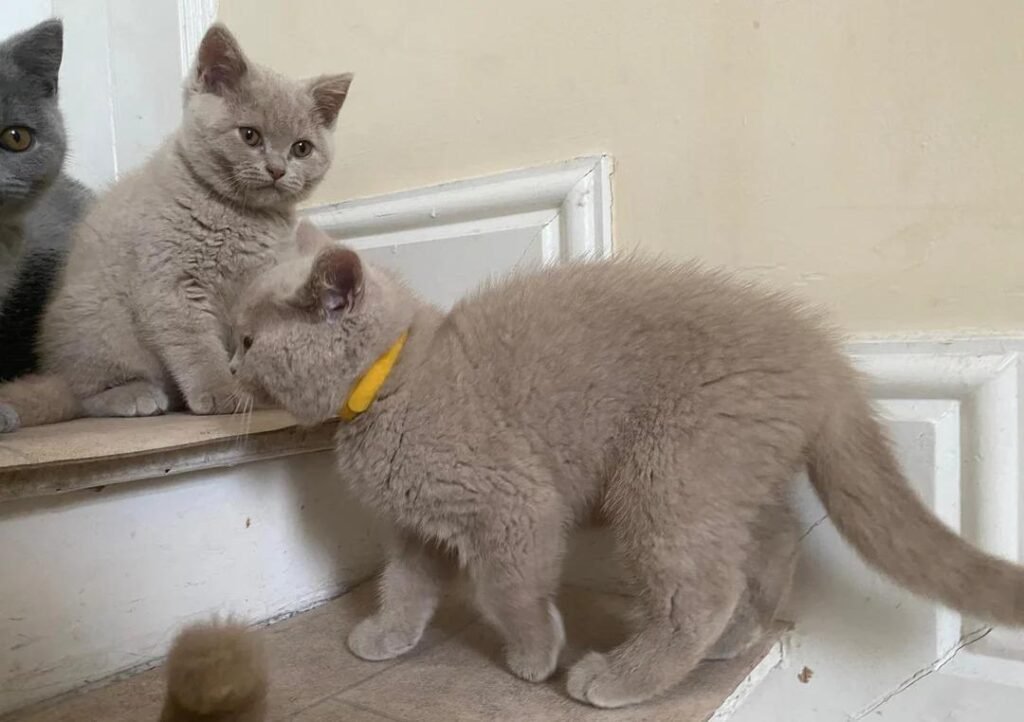
Bringing a British Shorthair kitten into your home can be an incredibly rewarding experience, as these cats are known for their affectionate nature and striking appearance. However, buying a kitten requires careful consideration and preparation to ensure that you find a healthy, well-bred companion that fits your lifestyle. In this article, we will provide you with the top five tips to guide you through the process of purchasing a British Shorthair kitten in the US, covering everything from understanding the breed’s unique characteristics to navigating the adoption process. Whether you are a first-time cat owner or an experienced pet parent, these insights will help you make informed decisions and welcome your new furry friend into your family.
Understanding the British Shorthair Breed Characteristics
History and Origin of the British Shorthair
The British Shorthair breed has a history that dates back to ancient Rome, where cats were likely brought over to control vermin. Fast forward a few centuries, and these sturdy cats became a fixture in British culture, often depicted in art and literature. After the cat fancy movement kicked off in the late 19th century, the British Shorthair gained popularity as a recognized breed. Think of them as the dignified great-great-grandchildren of the backyard mouser who decided to step into high society.
Physical Traits and Temperament
These felines are easily recognizable thanks to their round faces, chubby cheeks, and plush coats that feel like a warm hug. British Shorthairs are medium to large-sized cats, with muscular builds and thick tails. Their blue-grey fur is famous, but they come in various colors! Personality-wise, they’re known for being laid-back yet playful, often forming strong bonds with their humans. Imagine a cat who’s both your cuddly buddy and an occasional silly goofball—perfect, right?
Common Health Issues
While British Shorthairs are generally robust, they can be prone to specific health issues, such as hypertrophic cardiomyopathy (a heart condition) and obesity (because who can resist those adorable faces?). Regular vet checkups and maintaining a healthy weight are vital. Keeping them active by engaging in playtime can help combat these concerns. Remember, a healthy kitten leads to a happy home!
Researching Reputable Breeders
Identifying Ethical Breeders
When searching for your future furry friend, it’s crucial to distinguish between ethical breeders and those who simply want to cash in on cuteness. Look for breeders who prioritize the health and well-being of their cats over profit. An ethical breeder will be transparent about their practices, provide health guarantees, and will never shy away from showing you where their kittens are raised.
Questions to Ask a Breeder
Channel your inner detective and come prepared with questions. Inquire about the parents’ health, temperament, and any screenings they have undergone. Ask about socialization practices, how long the kittens have been with their mother, and whether they have had any vaccinations. A reputable breeder will appreciate your curiosity and be eager to provide the information you seek.
Signs of a Good Breeding Environment
A good breeding environment resembles a cozy home rather than a factory. Look for cleanliness, proper space for each cat, and signs that the kittens are well-socialized (like playful little furballs running around). Breeders should not keep cats in cramped cages. Instead, they should thrive in an environment that encourages health and happiness—because no one wants to adopt a kitty from a kitty jail!
Assessing Kitten Health and Well-being
Health Screenings and Vaccinations
Before bringing home your new British Shorthair, ensure they have received appropriate health screenings and vaccinations. When you meet the kitten, ask for proof of vaccinations, a health certificate, and any records of vet visits. A responsible breeder will prioritize these checks, making you feel more confident about your new addition.
Looking for Behavioral Signs of a Healthy Kitten
A happy and healthy kitten should be lively, curious, and affectionate—think of them as fuzzy little explorers! Watch for signs like playful behavior, good appetite, and a clean coat. If they seem lethargic or overly shy, it’s a red flag. Kittens should be engaged with their environment and not acting like they’ve just binge-watched a whole season of their favorite show.
Importance of Early Socialization
Early socialization is vital for kittens to grow into well-adjusted adults. Ask how much interaction the breeder has had with the kittens. Those who are gently exposed to various people, sounds, and environments from a young age tend to adapt better to their new homes. A well-socialized kitten will likely be a more confident and loving companion.
Preparing Your Home for a New Kitten
Essential Supplies and Equipment
Before your little British Shorthair moves in, stock up on the essentials. You’ll need food and water bowls, high-quality kitten food, a scratching post (because furniture deserves to live), a litter box, and toys to keep them entertained. Don’t forget a comfy bed for snuggles! Pro tip: a cozy blanket can be a good substitute for an ever-elusive lap during the initial adjustment period.
Creating a Safe Space for Your Kitten
Kittens are naturally curious and prone to exploring their surroundings, which can lead to mischief (and potential injuries). Create a safe haven by removing hazards like toxic plants, small objects, and anything that could lead to a cat-tastrophe. Designate a quiet area where they can feel secure—think of it as their cozy nook away from the world while adjusting to their new digs.
Introducing Your Kitten to Family Members
The big day is here! When introducing your kitten to family members (and pets), take it slow. Allow the kitten to explore at their own pace, and encourage gentle interactions. For other pets, supervise introductions to ensure everyone plays nice. It’s a magical moment when everyone learns to get along, like a heartwarming family movie—but without the dramatic plot twists!
Budgeting for Initial and Ongoing Costs
Initial Purchase Price and Fees
When it comes to bringing home a British Shorthair kitten, be prepared to open your wallet wide. Prices typically range from $800 to $2,500, depending on the breeder’s reputation, the kitten’s lineage, and that oh-so-adorable facial structure. Besides the purchase price, don’t forget to account for registration and microchipping fees, which can add an extra $50 to $200 to your bill. It’s like a starter pack for your feline friend—one that your bank account will certainly notice.
Routine Veterinary Care Expenses
Now that you’ve secured your little furball, let’s talk about health. Regular veterinary check-ups, vaccinations, and spaying or neutering can set you back about $200 to $500 a year. Yes, your kitten is cute, but they can also be a bit of a money pit. Just like you, they need annual exams, and they might need some emergency care if they decide that a stray sock is a delicacy. Don’t forget pet insurance; it could save you a penny or two in the long run.
Food, Supplies, and Other Ongoing Costs
Your British Shorthair will need more than just love and belly rubs. Quality food is essential, so budget between $30 to $50 monthly to keep your feline fit and fabulous. Add in litter, toys, grooming supplies, and, of course, your Netflix subscription (because you have to log those cozy couch moments together), and you’re looking at around $100 to $200 monthly. Remember, a well-fed, entertained cat is less likely to plot your demise while you sleep.
Socialization and Training Tips
Effective Techniques for Socializing Your Kitten
Socializing your British Shorthair is crucial. Start slow, introducing them to various environments, sounds, and people. Use treats to create positive associations—who doesn’t love snacks? Gradually expose them to new experiences, but don’t overwhelm them. Think of it as cat college: they’ll be most receptive when they feel safe and confident, so keep the curriculum light and fun!
Training Basics: Litter Box and Scratching Posts
Training your kitten to use the litter box is usually a walk in the park—unless you forget to provide a box. Place it in a quiet, accessible spot and give them a nudge if needed. As for scratching posts, invest in a couple of sturdy ones because your couch is not a scratching pad. Encourage them with treats and praise when they use it properly. Remember, your goal is to have a happy cat, not a shredded sofa.
Building a Long-term Bond with Your Kitten
Creating a lasting connection with your British Shorthair takes time, patience, and a few chin scratches. Spend quality time playing and interacting with them daily. Use toys that mimic their hunting instincts, like feather wands or laser pointers. Consistent, positive interactions will help build trust and solidify your bond. Soon, you’ll be best buds—just don’t expect them to share the bed. Cats have their own rules.
Understanding the Adoption Process
Legal Considerations and Paperwork
Before you rush out to adopt that adorable fluffball, familiarize yourself with the legal side of things. Ensure that the breeder or rescue is reputable, and check for any necessary paperwork that might come with your kitten. You’ll want to know their health history, registration details, and any applicable contracts. It’s like a mini real estate transaction—except you’re not getting a mortgage, just a new best friend.
Post-Adoption Support and Resources
Once you’ve navigated the paperwork and brought home your kitten, don’t hesitate to seek out resources for new pet parents. Many breeders and shelters offer post-adoption support, including advice on care, training, and health. Online forums and social media groups can also be valuable resources for tips and camaraderie. After all, we’re all in this together—one cat video at a time.
What to Expect in the First Few Weeks
The first few weeks with your new British Shorthair will be a mix of excitement and adjustment. Your little one may spend a lot of time exploring and getting used to their new home, which might include some strategic hiding spots. Prepare for late-night zoomies and an occasional “I’m going to knock this off the table just because” moment. Give them time to settle in, and soon you’ll have a playful, cuddly companion. Enjoy the ride—it’s going to be a fun adventure!In conclusion, purchasing a British Shorthair kitten is a journey that requires thoughtful consideration and preparation. By following these tips, you can ensure that you choose a healthy and happy kitten that will bring joy and companionship to your life. Remember to take your time, do thorough research, and create a welcoming environment for your new furry friend. With the right approach, you’ll be well on your way to enjoying a wonderful bond with your British Shorthair for years to come.
Frequently Asked Questions
What should I look for when choosing a breeder for a British Shorthair kitten?
Look for breeders who are registered with reputable cat organizations, provide health screenings for their kittens, and are willing to answer your questions. Visiting the breeding facility and observing the kittens’ living conditions can also give you insight into the breeder’s practices.
How much should I expect to pay for a British Shorthair kitten in the US?
The price for a British Shorthair kitten can vary widely based on factors like breeder reputation, kitten lineage, and geographical location, typically ranging from $1,500 to $3,000 or more.
Are British Shorthair kittens good for families with children?
Yes, British Shorthairs are known for their friendly and adaptable nature, making them a great fit for families. However, it’s essential to supervise interactions between young children and kittens to ensure a positive experience for both parties.
What vaccinations and health care should I expect for my new kitten?
Kittens should receive vaccinations for common diseases such as feline distemper, feline herpesvirus, and calicivirus. Additionally, regular veterinary check-ups, spaying or neutering, and parasite prevention are important aspects of responsible kitten care.