
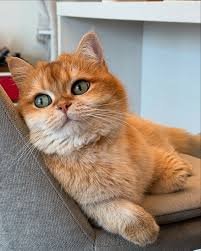
The British Shorthair cat, renowned for its robust build and charming demeanor, has captured the hearts of cat lovers worldwide. Among the various color variations of this beloved breed, the orange British Shorthair stands out with its striking appearance and warm, inviting personality. This article delves into the unique traits of orange British Shorthairs, exploring their distinctive characteristics, care requirements, health considerations, and the myths that often surround them. Whether you’re a prospective owner or simply an admirer of this captivating breed, you’ll find valuable insights to enhance your understanding of these delightful felines.
Overview of the British Shorthair Breed
The British Shorthair is the epitome of feline charm—chubby cheeks, sturdy build, and an expression that says, “I’m way too cool for this.” Originating from the UK, these cats are known for their friendly demeanor and easygoing nature, making them a popular choice for families and individuals alike. They strut around with a regal air, as if they own the place—and to be fair, they probably do.
Physical Features
The British Shorthair boasts a robust and muscular body, with a broad chest and strong legs. Their round faces are highlighted by large, expressive eyes that can be gold, copper, or blue, depending on the color variant. Let’s not forget those adorable chubby cheeks that make you want to squeeze them (but maybe just a light squeeze!).
Coat Variations
This breed features a dense, plush coat that feels like a cloud you want to hug. The short fur is resilient, keeping these cats stylish and easy to maintain. While they’re often seen in a solid blue-gray color, they come in a rainbow of shades and patterns, ensuring there’s a British Shorthair for everyone.
Common Colors and Patterns
You’ll find these cats in an array of colors, from classic blue to black, cream, and even lilac. Patterns include tabby, bicolor, and tortoiseshell. But let’s face it: nothing makes quite the statement like a vibrant orange British Shorthair, whose coat radiates warmth and charisma.
Unique Characteristics of Orange British Shorthairs
Orange British Shorthairs are truly a feast for the eyes and add a splash of sunshine to any home. But what makes them special beyond their striking hue?
Color Genetics
The orange coloring in British Shorthairs stems from specific genetic factors. The gene responsible for orange fur is a variant of the recessive ginger gene, meaning both parents need to carry it for their little furball to rock that fiery coat. So, if you’ve snagged an orange cutie, you can thank their gene pool for that gorgeous hue!
Distinctive Appearance
These cats aren’t just orange; they often have a rich, warm hue that can range from a deep, coppery tone to a lighter, almost golden shade. Their round faces and stocky bodies make them look like a furry pumpkin—adorable and festive all year round!
Behavioral Traits Associated with Color
There’s a myth that orange cats are more friendly and playful than their counterparts. While every cat has their own personality, many owners report that orange British Shorthairs tend to be a bit more social and affectionate, as if their color is a reflection of their sunny disposition.
Personality Traits and Temperament
Orange British Shorthairs are known for being laid-back, yet charming. Their personality shines as brightly as their fur, making them delightful companions.
Social Behavior with Humans
These cats are natural charmers, often acting as cuddly companions that thrive on human interaction. They enjoy being around people and are usually quite adaptable, making it easy to introduce them to new environments. Expect plenty of head butts and lap-sitting sessions!
Interaction with Other Pets
British Shorthairs, including the orange varieties, tend to be easygoing when it comes to sharing their territory. They usually get along well with other pets, as long as introductions are done properly. Think of them as the laid-back roommate who just wants to chill and watch Netflix together.
Playfulness and Activity Level
While they aren’t known to be hyperactive, orange British Shorthairs enjoy playtime and interactive toys. They’ll happily chase a feather duster or engage in a game of hide-and-seek, but when they’re done, they’ll settle into your lap for a well-deserved nap—because life is all about balance, right?
Care and Maintenance of Orange British Shorthairs
Keeping your orange British Shorthair happy and healthy doesn’t take a PhD, but it does require some attention to their grooming and environment.
Grooming Needs
These cats have a short, dense coat that doesn’t require excessive grooming—but brushing them once a week helps reduce shedding and keeps their coat looking fabulous. Plus, they’ll love it (and so will you when you see those furry puffs flying around).
Environment and Space Requirements
Orange British Shorthairs are pretty adaptable when it comes to their living space. They can thrive in both apartments and houses, but they do appreciate a cozy corner to nap in and some engaging toys to keep boredom at bay. A scratching post is also a must—gotta keep those claws in check!
Training and Socialization Tips
Start training early using positive reinforcement techniques; British Shorthairs are intelligent and can quickly learn tricks or commands. Socialization is key, especially if you have other pets or children. Early introductions will help them feel secure and part of the family, leading to a more harmonious household.
Health Considerations for British Shorthairs
Common Health Issues
British Shorthairs, including our charming orange friends, are generally sturdy cats, but they aren’t immune to certain health hiccups. You might encounter problems like hypertrophic cardiomyopathy (a fancy term for heart disease that sounds like a spell from a Harry Potter book), obesity (because who can resist those adorable pleading eyes?), and arthritis as they age. Keep an eye out for these potential issues, and consult your vet regularly.
Regular Veterinary Care
Routine check-ups are essential for keeping your British Shorthair purring happily. Aim for an annual vet visit, which includes vaccinations, dental check-ups, and maybe a few treats for good behavior (for both of you). Regular care helps catch any health concerns early—after all, prevention is better than trying to convince your cat to take medicine!
Signs of Illness to Watch For
So, how do you know if your British Shorthair is feeling under the weather? Look out for changes in appetite, unusual lethargy (beyond their typical cat nap schedule), vomiting, diarrhea, or any signs of discomfort. If your kitty starts giving you the “I’m fine” face when you know they’re not, don’t hesitate to book that vet appointment—better safe than sorry!
Nutrition and Diet for Optimal Health
Recommended Diet for British Shorthairs
A balanced diet is crucial for your British Shorthair to thrive, especially the orange ones who may have slightly different needs. Opt for high-quality cat food that contains plenty of protein (meat is a must—no vegetarian diets here!). Look for options that are specifically formulated for their age and activity level, keeping in mind that they’d rather not miss a meal… or three.
Feeding Schedules and Portion Control
Set a feeding schedule to keep your cat’s waistline in check. Most British Shorthairs do well on two meals a day, ideally spaced about 12 hours apart. Use a measuring cup (yes, it’s time to get that kitchen scale out) to ensure you’re not accidentally turning your fluffy feline into a couch potato. And remember, those begging eyes can be deceiving—always stick to the portions recommended on the food packaging!
Special Dietary Needs for Orange Variants
While all British Shorthairs share a base diet, orange cats might have a few extra considerations. Some anecdotal evidence suggests that certain colors can be linked to specific sensitivities (though science is still catching up). Keep an eye on how your orange cat reacts to different foods, and consult with your vet about any special dietary needs they may require for optimal health and that fabulous coat!
The History and Origin of the Breed
Early Beginnings of the British Shorthair
The British Shorthair can trace its roots back to ancient Rome, where they likely accompanied soldiers to help control the rodent population. Over time, they adapted to the British Isles and became a beloved companion. Think of them as the original fuzzy overlords of the home—guarding against both pests and boredom!
Development of the Breed Standards
Fast forward to the 19th century, when the British Shorthair was showcased in cat shows, and the breed as we know it today started to take shape. Enthusiasts worked to establish breed standards, focusing on their robust build and round faces. So, yes, all those cute Instagram photos are basically part of a long tradition of feline stardom!
Popularity in Modern Times
Today, the British Shorthair, especially the orange variant, is a popular choice among cat fans and the internet alike. Their charming personalities and adorably plush appearance have made them quite the celebrities on social media. You might even say they’ve become the royalty of the cat world—just don’t tell them that they’re not getting any actual crowns.
Popular Myths about British Shorthair Cats
Myth: They Are All Lazy
While British Shorthairs do enjoy lounging, they’re not the couch potatoes many believe them to be. These kitties are playful and enjoy activities like interactive toys and chasing after laser pointers. Sure, they excel at napping, but they can be active when the mood strikes—pretending to be lazy is just part of their charm!
Myth: They Require Minimal Interaction
Don’t let the calm demeanor fool you—British Shorthairs, including our orange friends, crave companionship. They might enjoy chilling in the same room while you binge-watch your favorite series, but that doesn’t mean they don’t appreciate a good scratch behind the ears or some quality playtime. They’re not the aloof type; they just prefer to show their love in a cool, collected manner.
Myth: Orange British Shorthairs Are Less Healthy
This one is a classic case of stereotype gone wrong! The color of your cat doesn’t determine its health status. Orange British Shorthairs can be just as healthy as their blue-coated counterparts when properly cared for. Remember, genetics and overall care play a much bigger role. So, love and nourish your orange furball like any other kitty—because they’re all fabulous! In conclusion, the orange British Shorthair cat is a remarkable breed that combines beauty, charm, and a friendly disposition. Their unique characteristics and loving nature make them wonderful companions for families and individuals alike. By understanding their care needs and health considerations, you can provide a nurturing environment for your feline friend. Whether you’re considering adding an orange British Shorthair to your home or simply appreciate their charm, these cats undoubtedly bring joy and warmth to those lucky enough to share their lives with them.
FAQ
1. Are orange British Shorthair cats hypoallergenic?
No, orange British Shorthairs are not hypoallergenic. While no cat is completely allergy-free, some breeds produce fewer allergens than others. However, individual reactions can vary.
2. How much exercise do orange British Shorthairs need?
Orange British Shorthairs are moderately active and benefit from regular playtime and interaction. Engaging them with toys and activities for about 15-30 minutes each day can help keep them healthy and stimulated.
3. What is the average lifespan of an orange British Shorthair?
The average lifespan of a British Shorthair, including the orange variant, is typically between 12 to 20 years, depending on genetics, care, and overall health.
4. Do orange British Shorthairs have any specific health issues?
Like all breeds, orange British Shorthairs can be prone to certain health conditions, such as hypertrophic cardiomyopathy (a heart condition) and obesity. Regular veterinary check-ups and a balanced diet can help mitigate these risks.