
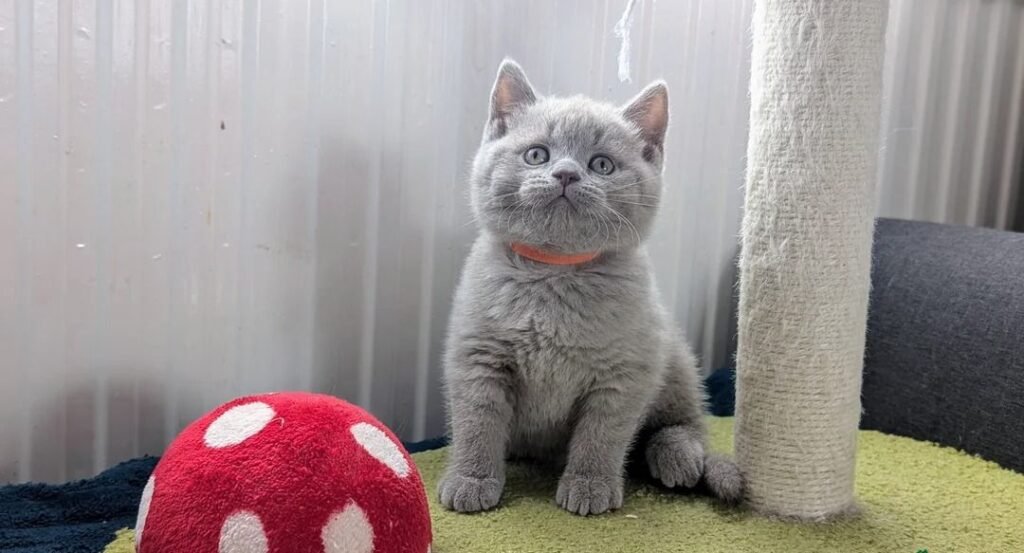
Finding the right breeder for your British Shorthair is a crucial step in welcoming this charming and affectionate breed into your home. British Shorthairs are known for their robust build, plush coats, and friendly personalities, making them a beloved choice for cat lovers. However, not all breeders uphold the same standards of care and ethics, which is why it’s essential to do thorough research before making a decision. This article will guide you through the best breeders in your area, highlight important factors to consider when choosing a breeder, and provide valuable tips for ensuring a happy and healthy transition for your new feline companion.
Overview of British Shorthairs
History and Origin
The British Shorthair, with its round face and dense coat, has roots that can be traced back to ancient Rome when cats were brought over to control the rodent population. Over the centuries, these charming felines became a beloved part of British culture, even inspiring Lewis Carroll’s Cheshire Cat. So, if you fancy a feline with royal lineage, you’re looking at the right breed!
Physical Characteristics
British Shorthairs are easily recognizable with their plush, chubby cheeks and stocky build. They typically sport a dense, plush coat that comes in a variety of colors—though that classic blue-grey is a fan favorite. Their large, round eyes and a sturdy body give them an almost teddy bear-like appearance. Just imagine cuddling up to a soft, purring bundle of fluff!
Temperament and Behavior
These cats are known for their easygoing and calm demeanor. British Shorthairs are affectionate but not overly needy—think of them as the cool roommates who are happy to hang out but won’t invade your personal space. They’re quite adaptable, making them perfect companions whether you live in a bustling family home or a cozy apartment. Just don’t be surprised if they occasionally channel their inner couch potato!
Factors to Consider When Choosing a Breeder
Experience and Expertise
Before you dive into the world of British Shorthairs, check the breeder’s experience. A seasoned breeder will not only understand the nuances of the breed but will also be able to provide valuable advice on health, temperament, and care. After all, you wouldn’t want just anyone giving you tips on how to bake a cake, would you?
Breeder Location
While you might be tempted to adopt a cat from across the country, consider the breeder’s location. A nearby breeder means easier visits, and it’s less likely that you’ll end up with a cat that’s been transported halfway around the world—no one wants that kind of jet lag for their new furry friend, right?
Breed Standards and Practices
It’s essential to choose a breeder who adheres to recognized breed standards and best practices. This means they prioritize health, genetics, and overall well-being. Look for breeders who actively participate in cat shows and are involved in breed organizations. You don’t want a cat that’s the equivalent of a “quick and dirty” pizza joint!
Top Recommended Breeders by Region
East Coast Breeders
On the East Coast, breeders like ‘Purrfect British Shorthairs’ pride themselves on their meticulous breeding practices and provide a loving environment for their cats. With a focus on health screenings and genetic testing, they’re like the Ivy League of cat breeding!
West Coast Breeders
If you’re on the West Coast, you can check out ‘Cattitude British Shorthairs’. Not only are they known for their adorable kitties, but they also have a knack for matching personalities, ensuring your new friend fits right in. Plus, they’re likely to offer you a latte while you browse!
Midwest Breeders
For those in the Midwest, ‘Heartland British Shorthairs’ comes highly recommended. They emphasize strong family values and make sure their cats are well-socialized. You might even leave with some homemade cookies—now that’s serious breeder bonus points!
Southern Breeders
And in the South, ‘Southern Comfort British Shorthairs’ specializes in producing laid-back and friendly kittens. With their southern charm and commitment to quality, they ensure that each cat is raised with love and care—perfect for your future snuggle buddy.
Evaluating Breeder Reputation and Ethics
Reviews and Testimonials
Before sealing the deal, it’s smart to do a little sleuthing. Look for reviews and testimonials from previous buyers. If everyone raves about their experience (and the cats are purring on cue), that’s a good sign! Just be wary of any red flags—like a glowing review followed by one that says “Don’t trust this place!”
Affiliations and Registrations
Check if the breeder is affiliated with reputable cat registries, like The International Cat Association or The Cat Fanciers’ Association. These affiliations are a good indicator that they adhere to breed standards and ethical practices. It’s like their badge of honor—so make sure they’re wearing it!
Site Visits and Observations
Whenever possible, visit the breeder’s facilities. Getting a firsthand look at the living conditions of the cats can tell you a lot. You’ll want to see clean spaces, happy kitties, and, ideally, a few toys lying around—because a happy cat is a playful cat! If they’re willing to show you around, that’s a great sign. If not, it might be time to start looking elsewhere!
Health Testing and Guarantees
Common Health Issues in British Shorthairs
British Shorthairs are generally robust felines, but they come with a few health quirks that can sneak up on unsuspecting owners. Common issues include hypertrophic cardiomyopathy (a fancy term for thickened heart muscles), joint problems (thanks, chubby cheeks!), and dental dilemmas. Understanding these conditions helps you spot potential red flags early—because no one wants a kitty couch potato who can’t play.
Importance of Health Screenings
Just like us humans enjoy a good check-up (or at least we should), your future British Shorthair deserves the same. A reputable breeder will conduct health screenings that can reveal any lurking problems before they become full-blown catastrophes. These tests don’t just give you peace of mind; they also contribute to a breeding program dedicated to producing healthier, happier cats. Who doesn’t want that?
Warranty and Return Policies
Let’s face it, life is unpredictable. A good breeder will offer a warranty and return policy, ensuring you’re not left high and dry if unforeseen health issues arise. After all, parting with your furry friend should only be due to actual distress, not because of some hidden ailment. A solid policy shows that your breeder stands behind their commitment to quality and care—plus, it means you can adopt with confidence.
Questions to Ask Your Breeder
Kitten Socialization Practices
You want a British Shorthair who doesn’t act like a hermit! Inquire about how the kittens are socialized during their first few weeks. A good breeder should let you know if the kittens are exposed to different people, environments, and even the vacuum cleaner (that dastardly monster!). The more well-rounded your future feline feels, the less likely they’ll turn into a furry recluse.
Feeding and Care Recommendations
Understanding your kitten’s dietary needs can mean the difference between a majestic British Shorthair and one who resembles a potato. Ask your breeder for feeding guidelines: What should you feed them? How much? And for heaven’s sake, what about treats? A knowledgeable breeder will share their experience and best practices, ensuring your kitty doesn’t just eat but thrives.
Post-Purchase Support
The relationship with your breeder shouldn’t just end after the cash is exchanged. Ask about their post-purchase support! Will they be available for questions? Do they offer advice on behavior issues? A great breeder will be a resource for you, helping you transition from kitten parent to cat aficionado with ease.
Preparing for Your New British Shorthair
Essential Supplies and Setup
Before you bring your British Shorthair home, it’s time to channel your inner cat-parent extraordinaire! Prepare the essentials: a cozy litter box, tasteful scratching post, interactive toys, and, of course, a comfy bed (because all royalty deserves a throne). Don’t forget a high-quality cat food that meets their unique needs. Oh, and maybe a stiff drink for yourself—kitten-proofing is serious business!
Initial Health Care Requirements
As soon as your new furball makes themselves at home, it’s time to focus on their health! Schedule a vet visit for vaccinations and a check-up within the first week. This way, you can ensure that your little bundle of fluff is set on a path to health and happiness. Also, don’t forget to discuss spaying or neutering—this is one appointment your British Shorthair will thank you for later.
Introducing Your Cat to Home
Bringing your British Shorthair home is full of anticipation and potential chaos. Create a warm, welcoming environment by setting up a designated space for them to explore. Keep the commotion to a minimum and let them acclimate at their own pace. Introduce them to their new kingdom slowly, so they feel like the royal subjects they truly are—because let’s face it, all cats deserve to feel like royalty.
Resources for Ongoing Support and Community
Online Forums and Support Groups
Connecting with other British Shorthair enthusiasts is a fantastic way to learn and share experiences. Online forums and social media groups are teeming with advice, hilarious memes, and tales of triumph (and occasional disaster). You’ll find camaraderie among fellow cat-parents who understand the joys and trials of living with a furry diva.
Local Events and Meetups
Why not take your new royal companion to meet other feline friends? Many communities have local cat clubs, meetups, or even cat shows that showcase British Shorthairs. These events provide a great opportunity for your kitty to socialize and for you to network with fellow cat lovers—plus, you might just pick up a few tips on grooming that you never knew you needed!
Veterinary Resources and Recommendations
Finding a vet who understands the unique needs of British Shorthairs is crucial. Look for recommendations from your breeder, online communities, or local pet stores. A vet who has experience with this breed can help you navigate their health needs and keep your little one purring for years to come. After all, even the mightiest of cats need a trusty sidekick (or two) in their healthcare journey! In conclusion, selecting a reputable breeder for your British Shorthair is vital to ensuring a healthy and happy addition to your family. By taking the time to research and consider the factors outlined in this article, you can make an informed decision that will benefit both you and your future feline friend.
Frequently Asked Questions
1. What should I look for in a reputable British Shorthair breeder?
A reputable breeder should have a strong track record of ethical practices, provide health testing information for their cats, maintain a clean and welcoming environment, and be willing to answer all your questions regarding their breeding practices and kitten care.
2. How much should I expect to pay for a British Shorthair kitten?
The price of a British Shorthair kitten can vary widely based on factors like the breeder’s reputation, the kitten’s lineage, and regional differences. Generally, prices can range from $1,500 to $3,000 or more.
3. What health issues are common in British Shorthairs?
British Shorthairs can be prone to certain health issues such as hypertrophic cardiomyopathy (HCM), obesity, and dental problems. It’s important to ask breeders about health testing and lineage to minimize these risks.
4. When can I bring my British Shorthair kitten home?
Kittens are typically ready to go to their new homes at around 12 to 16 weeks of age, as this allows them enough time to be weaned, vaccinated, and socialized properly. Always confirm with the breeder for their specific policies.